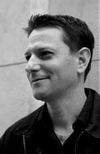
Laura Wasserman & Wangogh, East Bay Open Studios
2117 11th Avenue, Oakland
June 13 & 14, 2026
Good curation is crucial for a successful exhibit, particularly in spaces that have unusual dimensions or where display walls aren’t your typical gallery white. Too much work exhibited in uniquely configured spaces can feel cluttered, blinding the viewer’s eye. Visitors coming to see the creations of the artists in a show should actually be able to see them.
I’d last been to Dictée Art and Exhibitions nearly a year ago for its inaugural exhibition. It’s a beautiful, airy space, and during that first visit I’d given the gallery’s awkward and idiosyncratic curatorial choices a pass, chalking it up to newness. However, this past weekend I found myself disappointed by the fact that the gallery is still making the same avoidable mistakes.
I’d come to see the work of two of the six featured artists—photographer Wangogh and fabric artist Laura Wasserman—for East Bay Open Studios, intrigued by what I’d seen online. They were showing along with Tom Manning, Konandi Nithyananda, Alla Anew, and Cameron Redd. But I struggled to see their art in person, fettered as it was by haphazard curation.
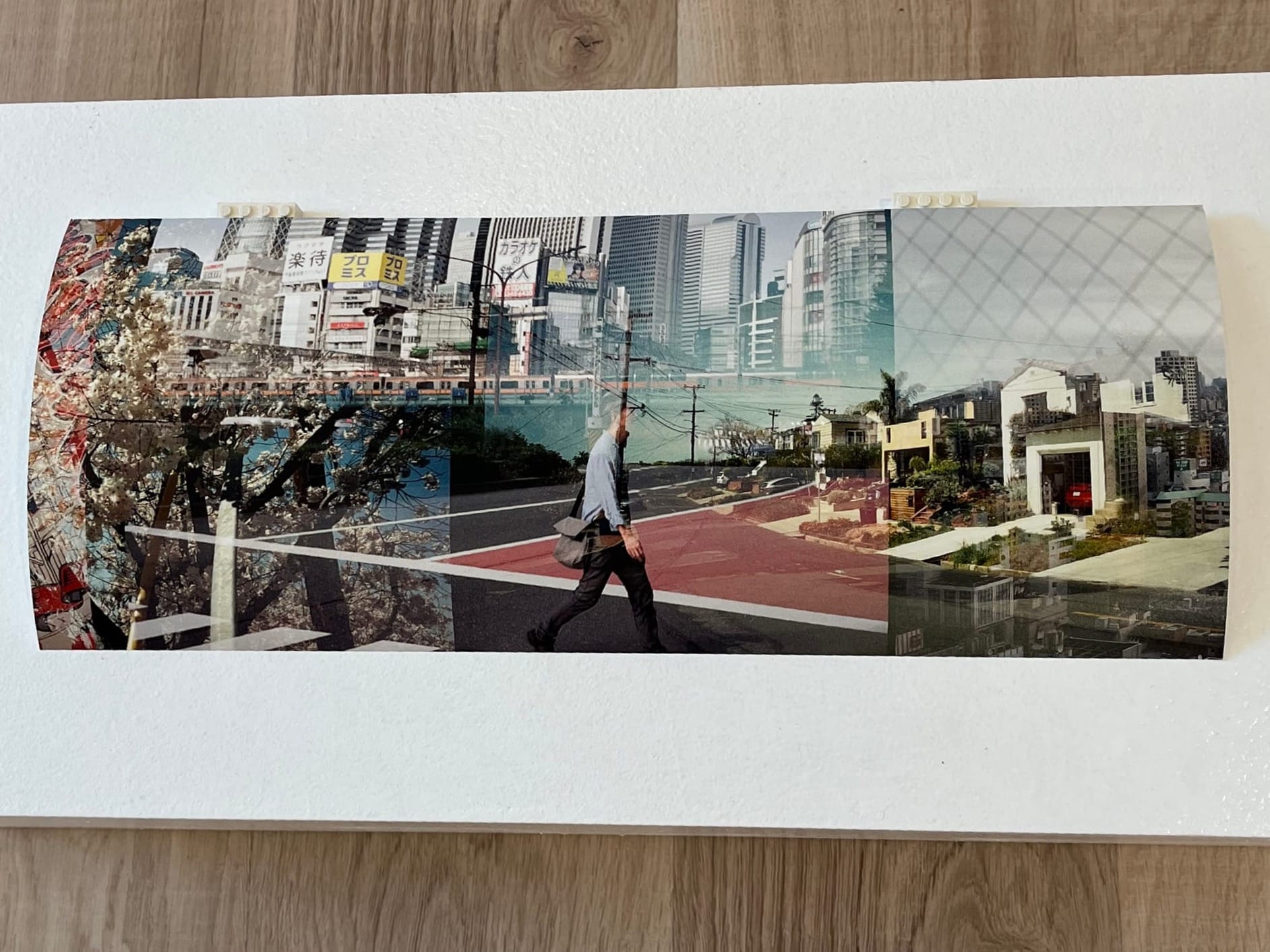
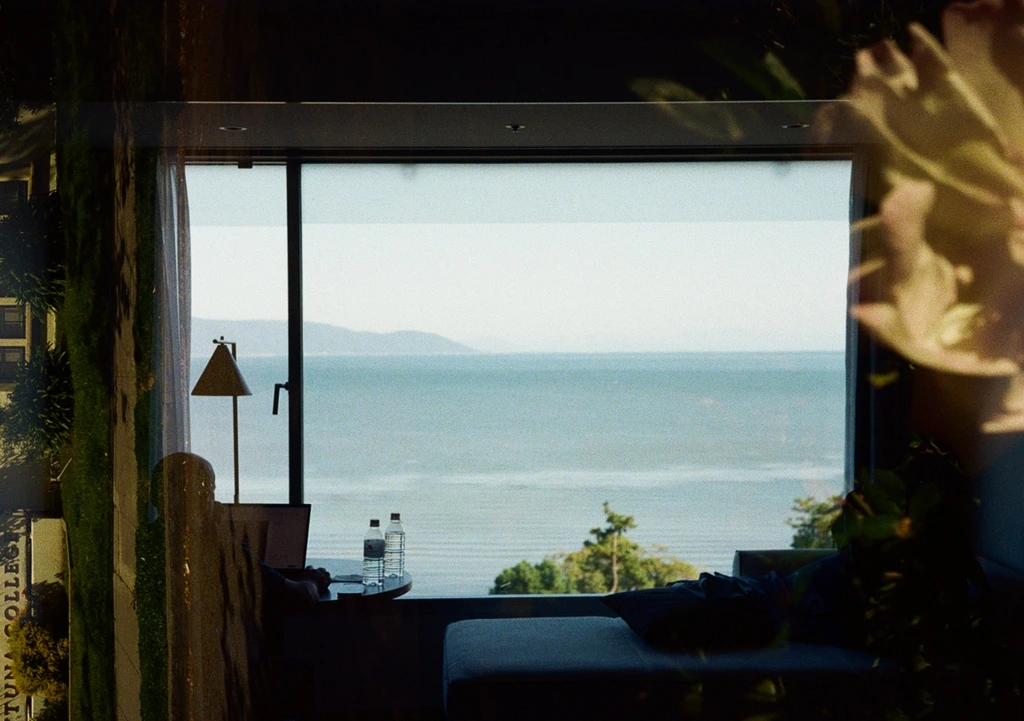
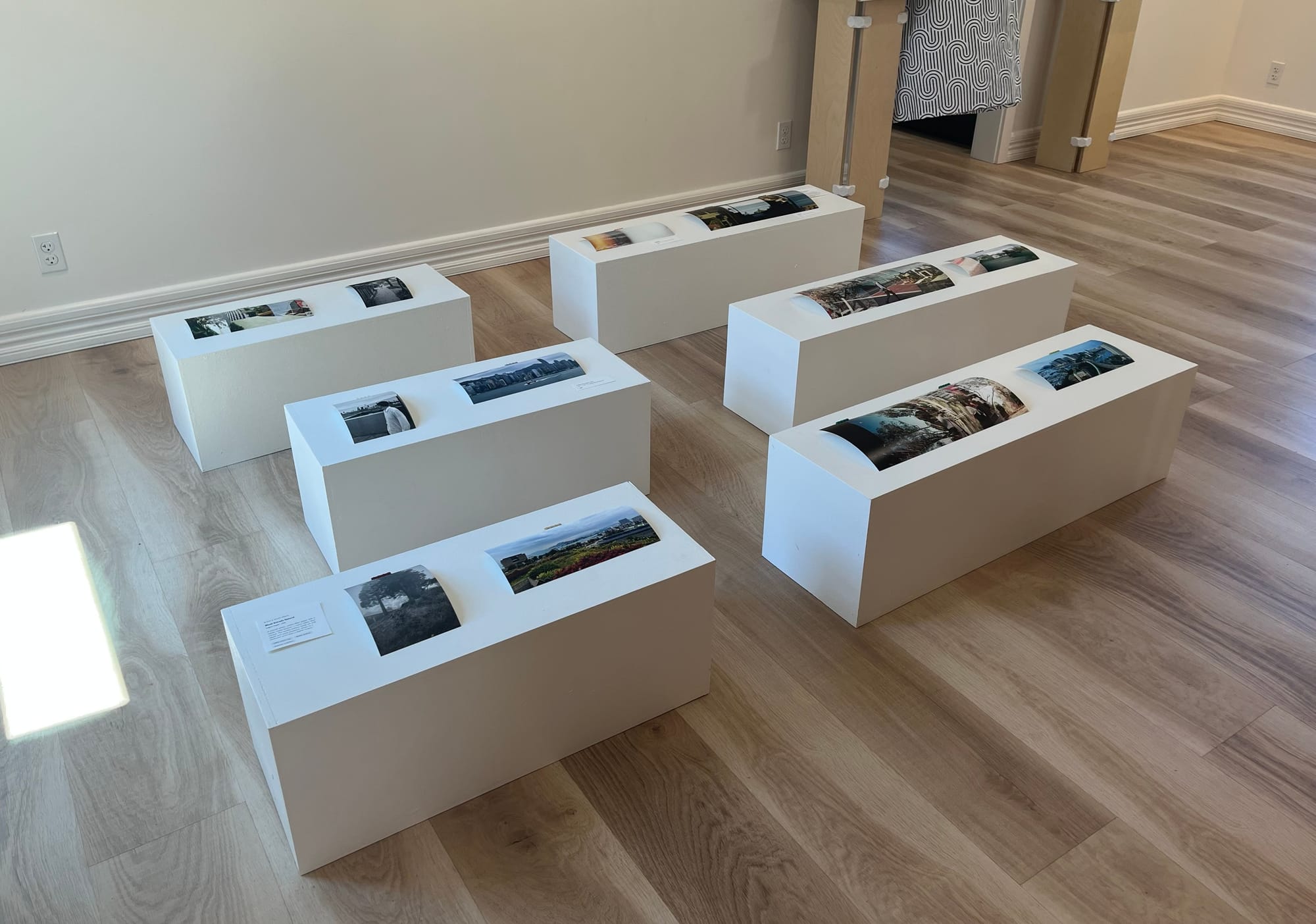
Wangogh’s double-exposed photos had caught my eye when browsing the Open Studios site, attracted to what Wangogh describes as “beautiful mistakes.” But his pieces were displayed so strangely that I had to stoop low to catch even a hint of the images. Arranged on pedestals situated sideways on the floor, Wangogh’s roughly 6” x 14” photographs were almost impossible to view. Unframed and curled convexly, they were propped up by single lego bricks. The pedestals weren’t more than two feet off the floor, and I had a difficult time trying to see them comfortably. And the bizarrely arranged pedestals were impediments to the gallery’s foot traffic, getting in the way not only of Wangogh’s work, but also the work of another artist. Folks couldn’t step back to see what was on the walls and had to tiptoe around the pedestals.
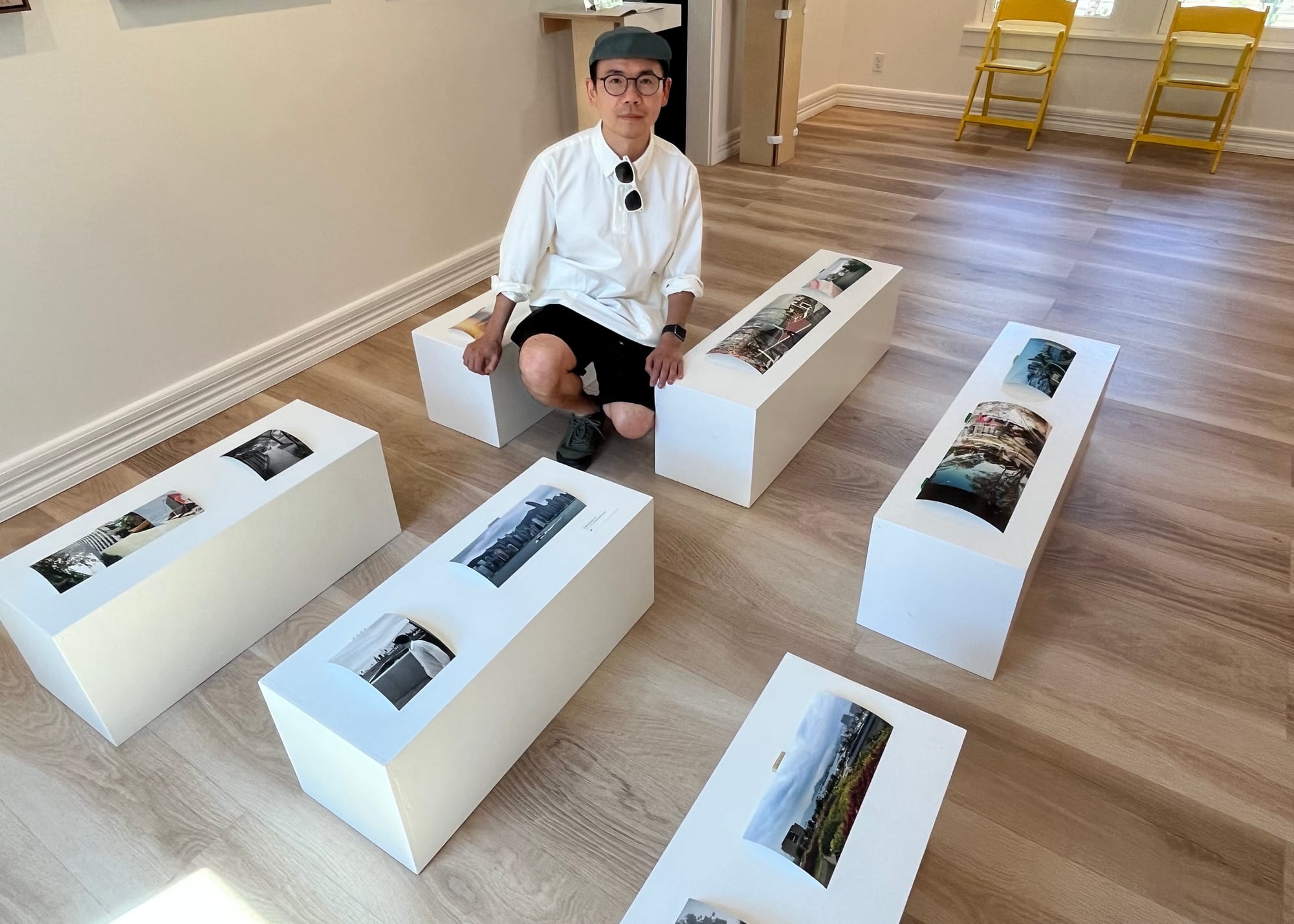
Yuebo Wang, who uses the name “Wangogh,” came to the U.S. from the northeast Chinese province of Jilin in 2008. He explained that his artist name is a take on Wang Yuen which translates as “play.” A friendly and personable fellow, he creates small zines of his photographic work and was lovely to chat with. I just wish I’d been able to see his work well enough to inquire about them in depth.
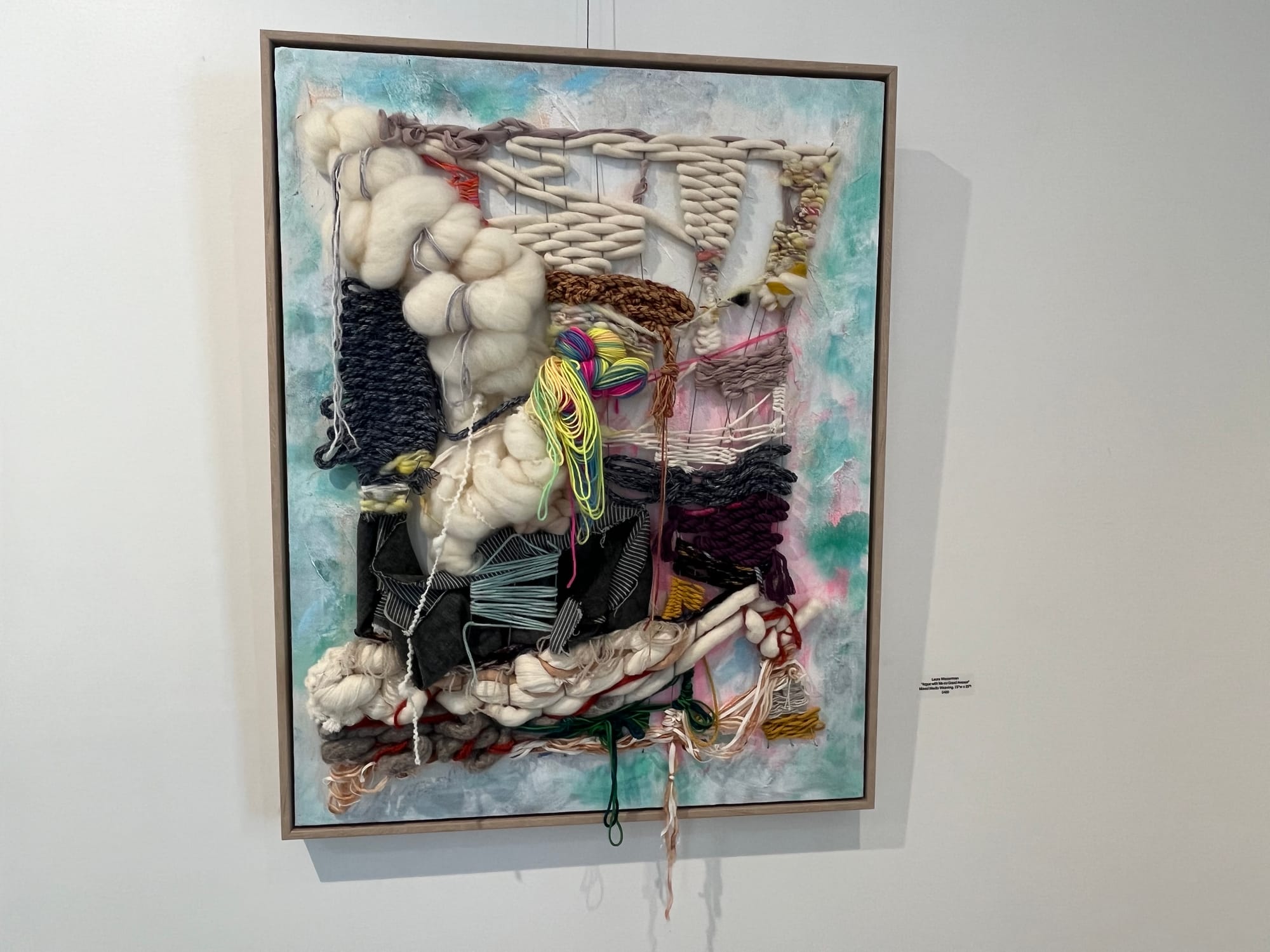
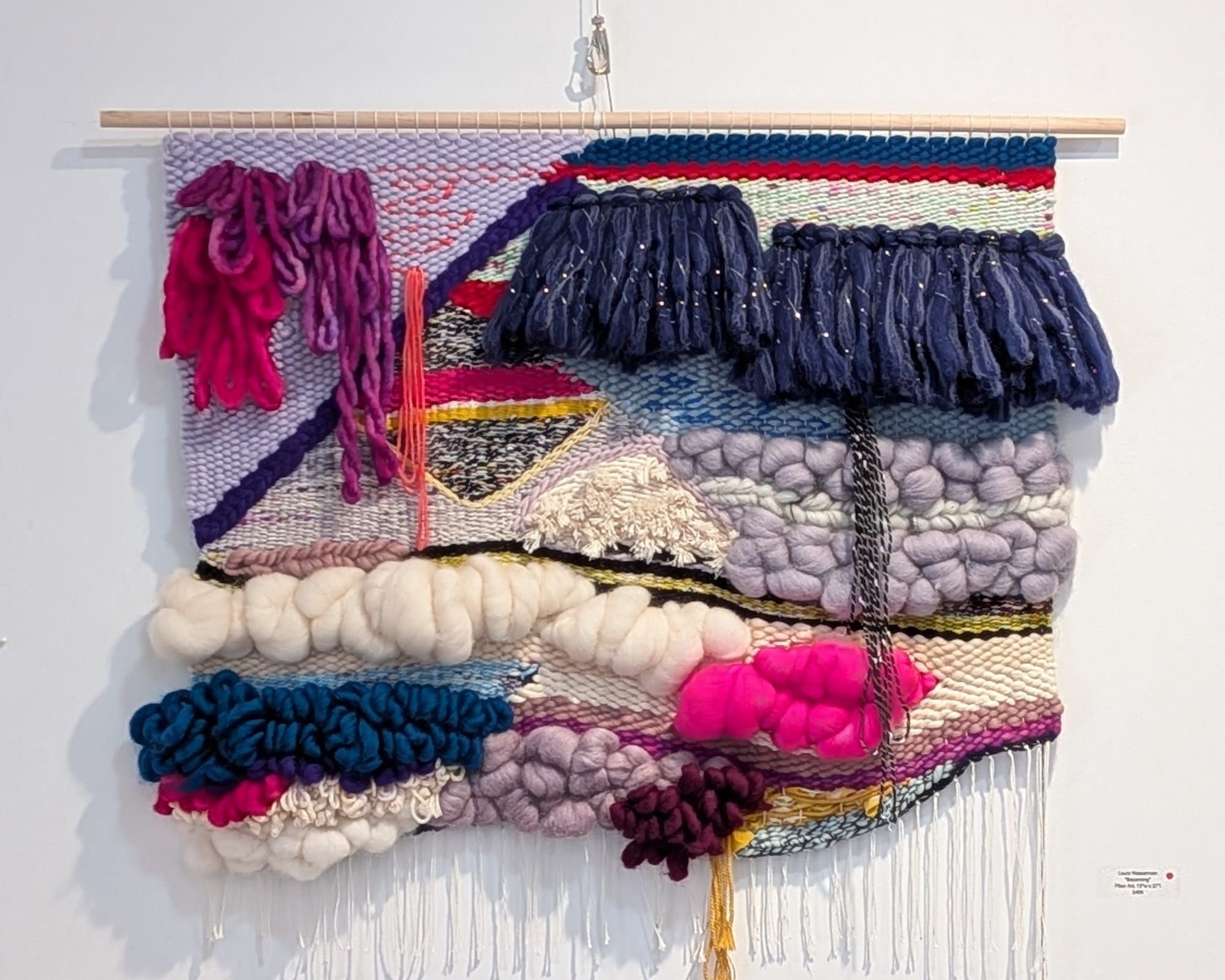
Much easier to view were Laura Wasserman’s pieces, beautiful fabric works that utilized a variety of different textiles to create tactile, three-dimensional abstract compositions. I was especially taken with “Argue With Me on Grand Avenue,” a hypnotic arrangement of weaving and knots that demonstrated a sophisticated understanding of formal complementarity. It popped both for its sculptural quality and its unexpected color palette.
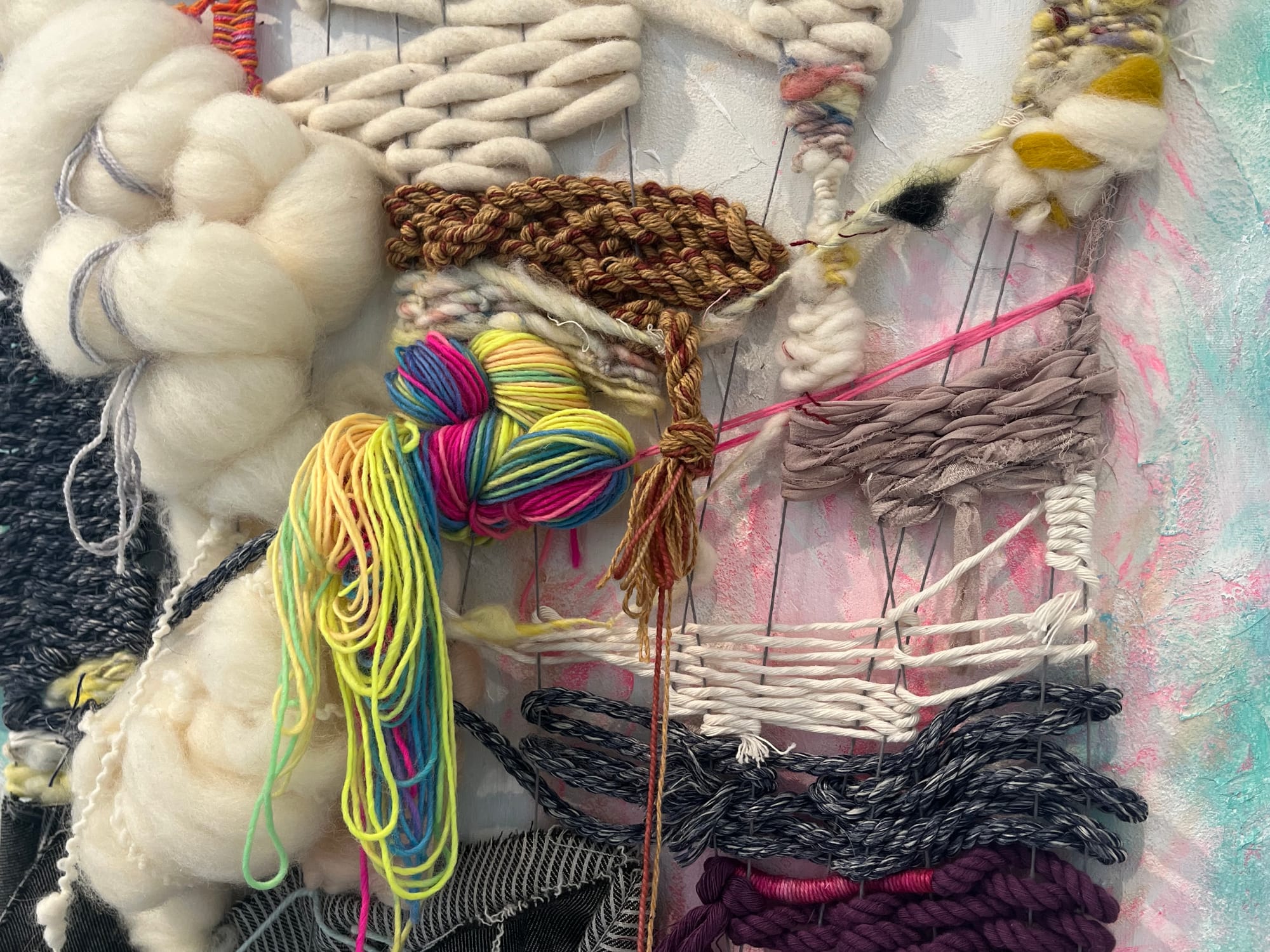
Wasserman told me she’s been making fabric art for the past 9 years at her studio in Alameda. She’s exhibited her work in group shows at ACCI Gallery, Faultline Gallery, and at Cornell University. “Every weaving tells a story,” she states, “capturing an emotional landscape and marking a moment in time.”
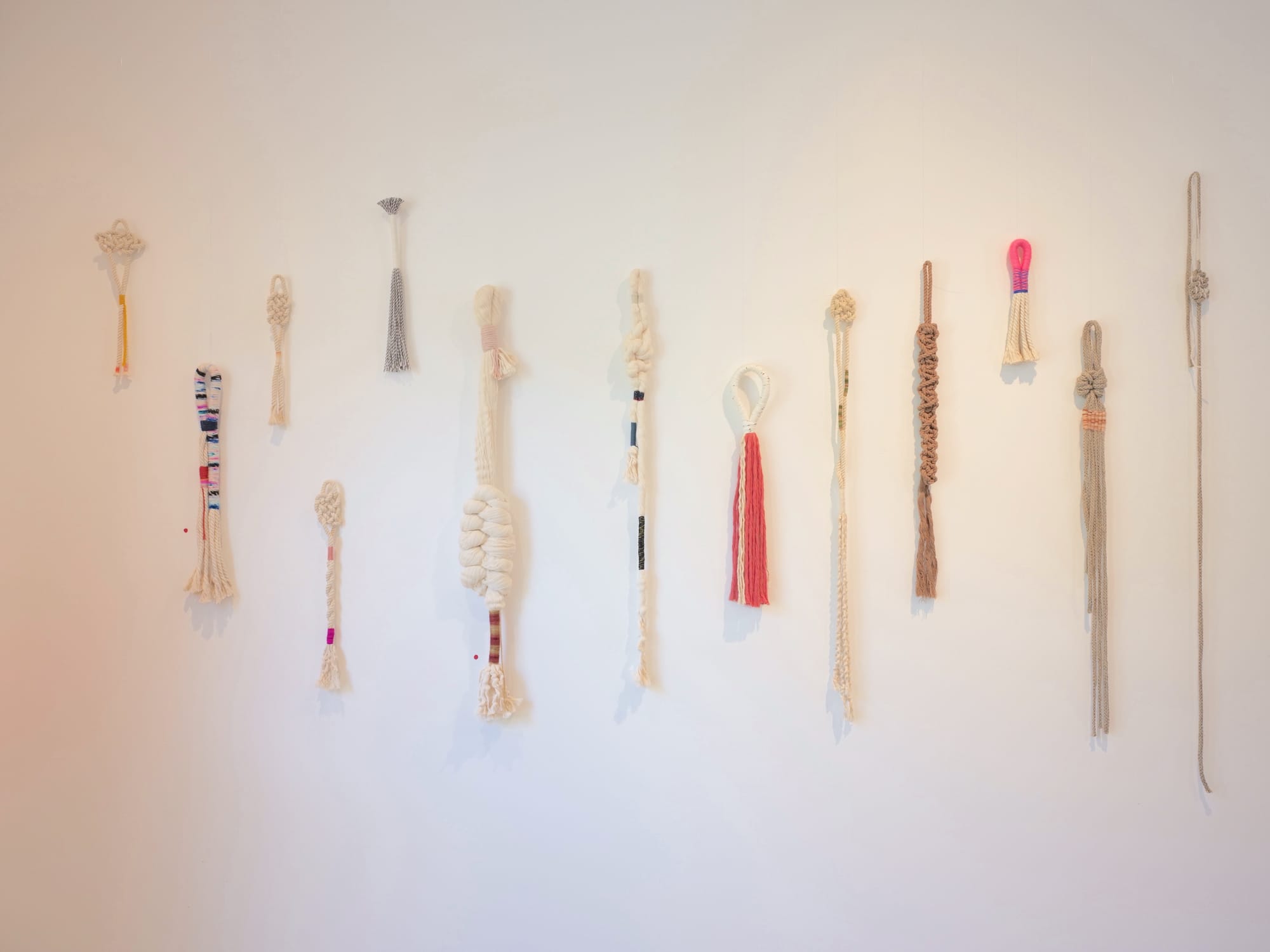
Sadly, Wasserman’s pieces were split up into two groups, some in one area of the gallery and others completely separate in another part of the Dictée space. The choice to divide the same artist’s work into two different places—where in between was the work of another artist—was baffling to me, confoundingly disjointed. I’m hoping that in future exhibits the gallery is put to better use with an eye toward allowing artists’ pieces to shine without hindrance.


