
림현정 (Lim Hyeonjeong)
pogmog
15th Annual Bitgoeul Handmade Fair
Kimdaejung Convention Center
July 17-19, 2026
(Jisu Sheen recently moved from New Haven to Gwangju, South Korea, where she’s covering local arts and culture for the New Haven Independent and Midbrow.)
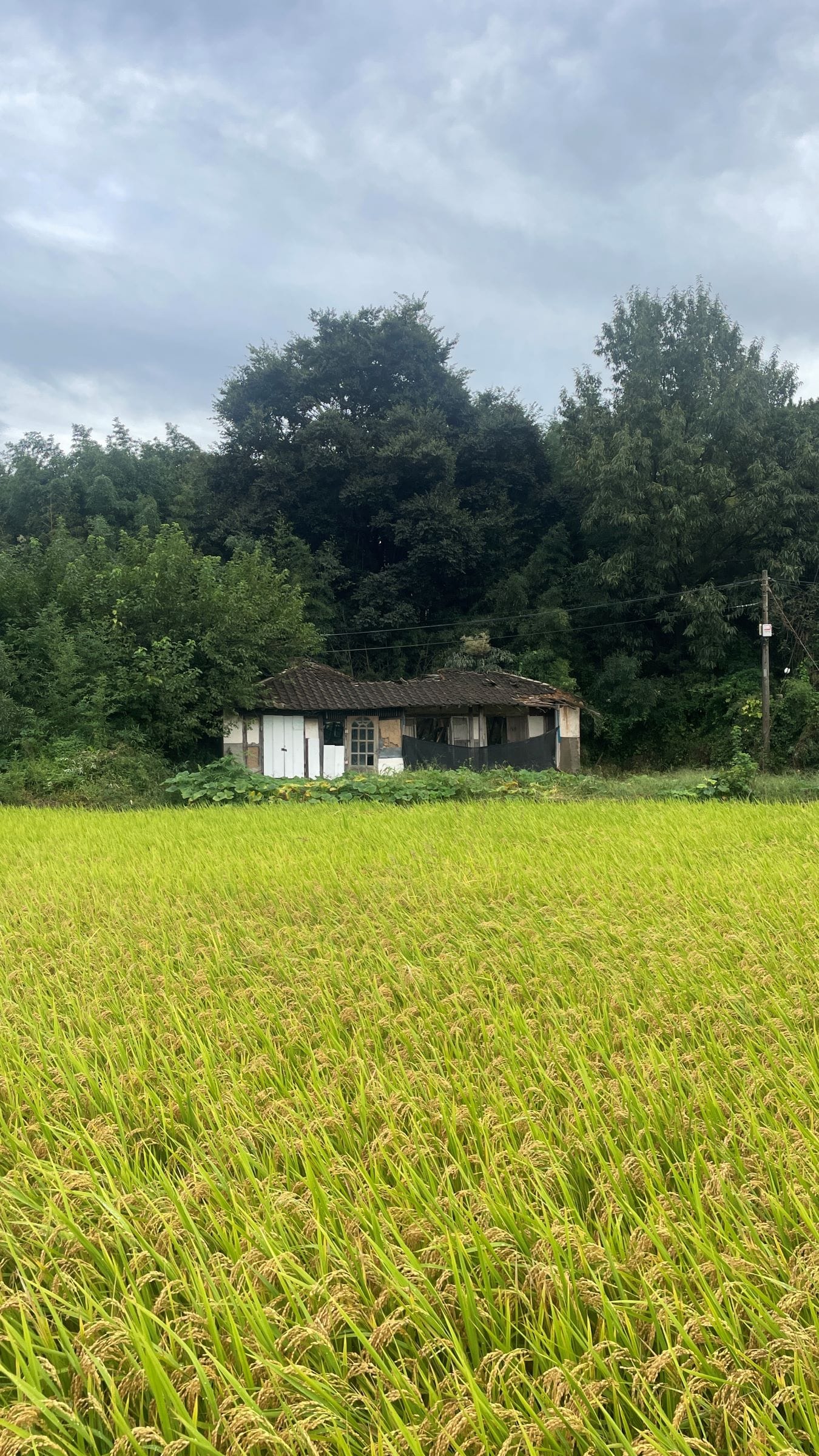
Ever since Gwangju crafter Lim Hyeonjeong was little, she wondered about the old buildings in her grandfather's rural village in 영광 (Yeonggwang), a county to the west of Gwangju. The structures looked like they might crumble at any moment, but their doors showed no signs of damage.
"When I was a child, I used to imagine that beyond those doors, instead of ruined houses, there was another world waiting for me," Lim said in Korean Friday afternoon at the 15th annual Bitgoeul Handmade Fair at Kimdaejung Convention Center in Gwangju's Seo district.
Now an artist selling artisanal objects and miniature books at her studio and pop-ups, Lim has created new worlds for herself behind the wooden doors of her own artwork.
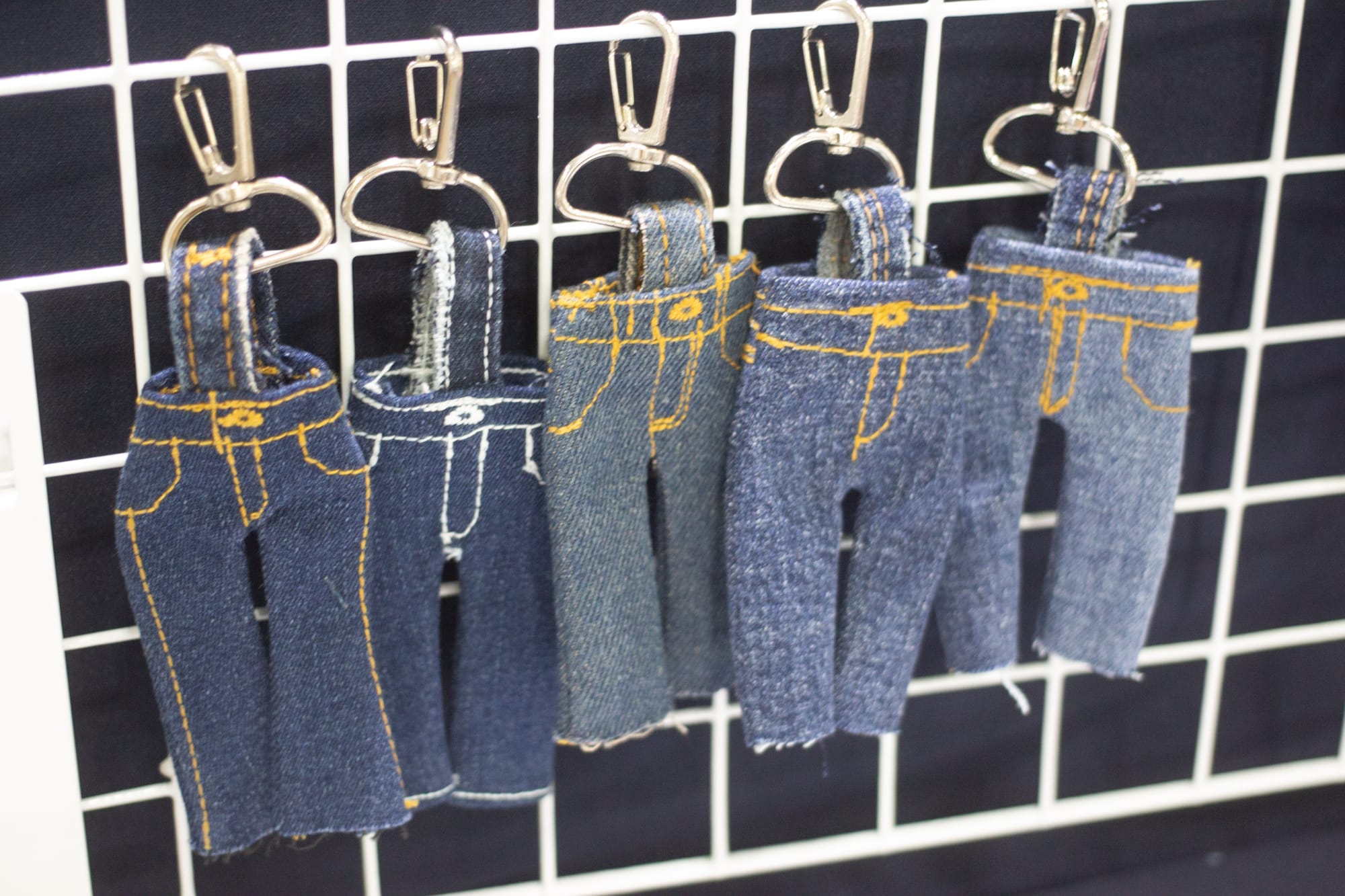
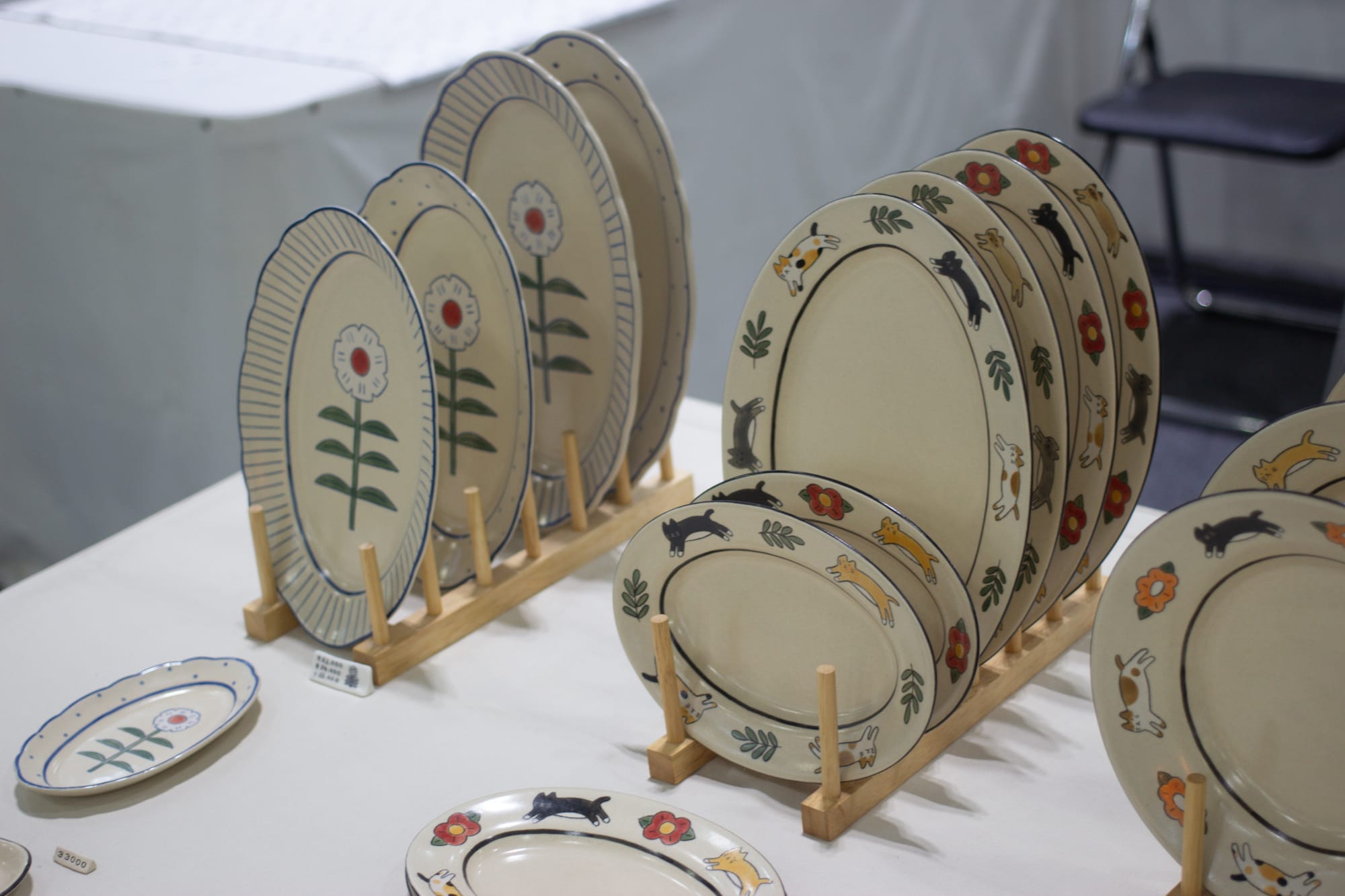
The world Lim was inhabiting that day was her booth at the three-day Handmade Fair. Presented by 광주디자인진흥원 (the Gwangju Design Promotion Foundation), the festivities took place across two airy exhibition halls, where audiences streamed through from the morning to afternoon. Hundreds of artists participated, selling fabrics, ceramics, teas, snacks, and more. In the center was a camping-style break zone, complete with a coffee truck and little tables.
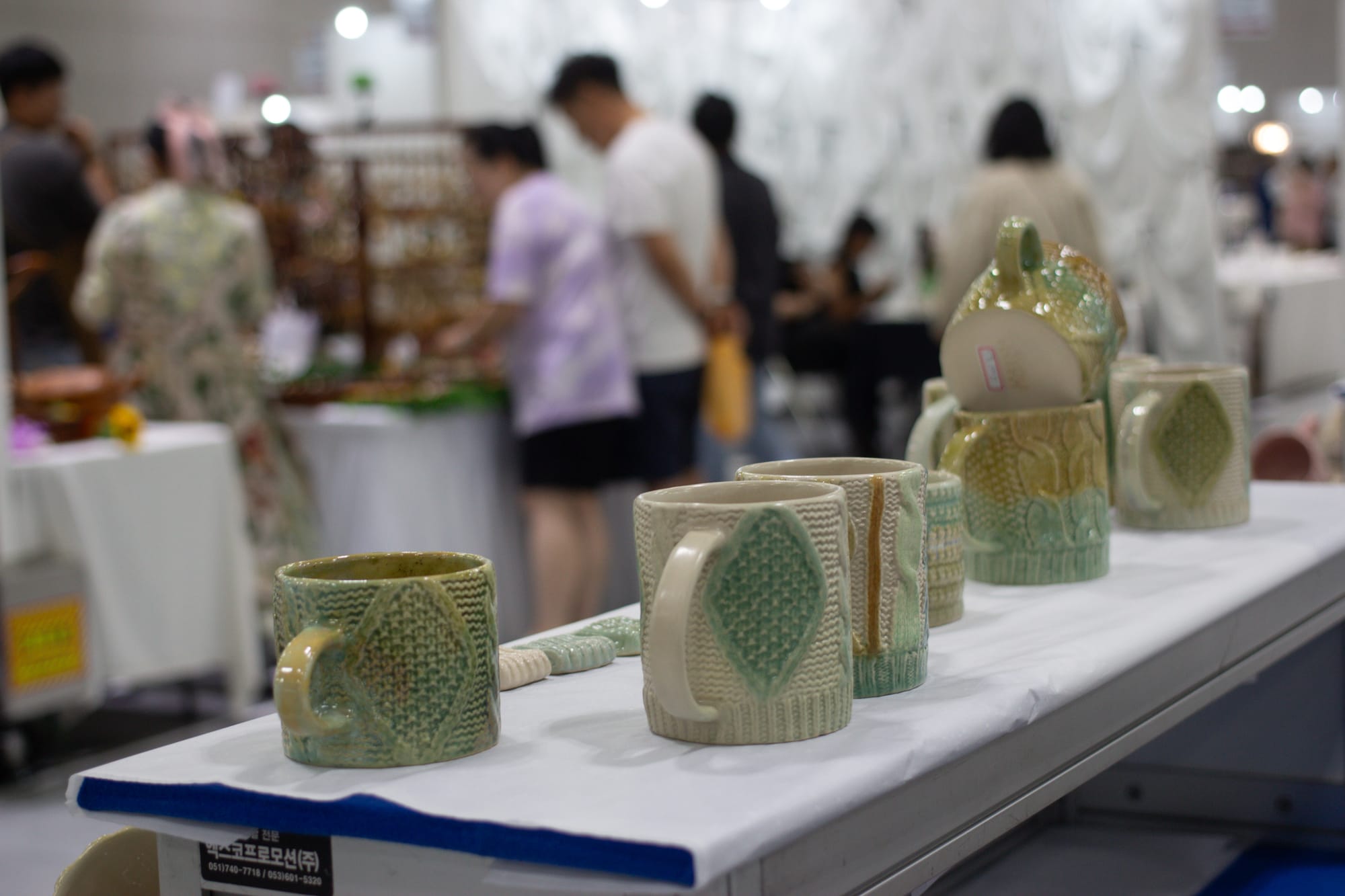
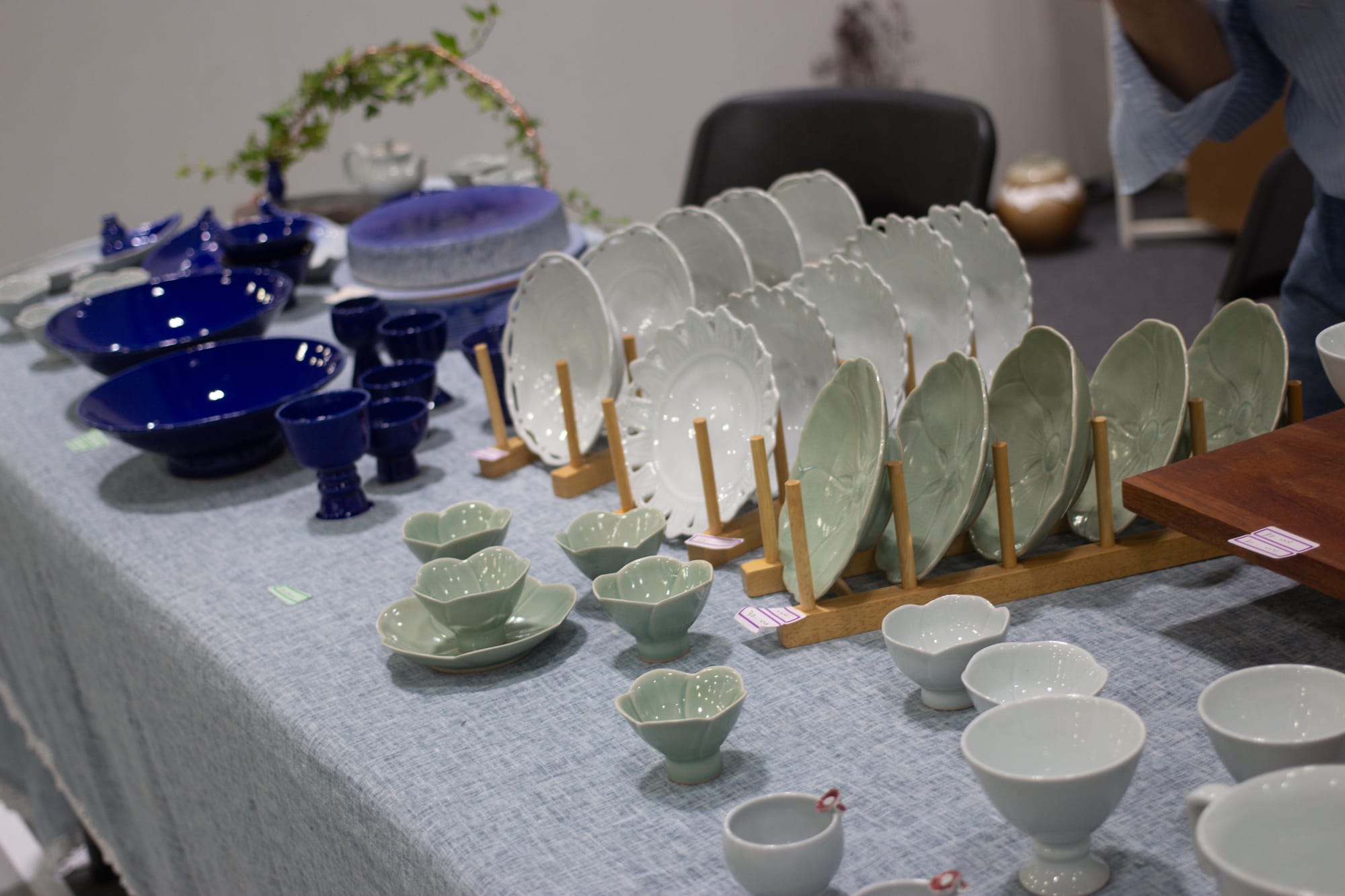
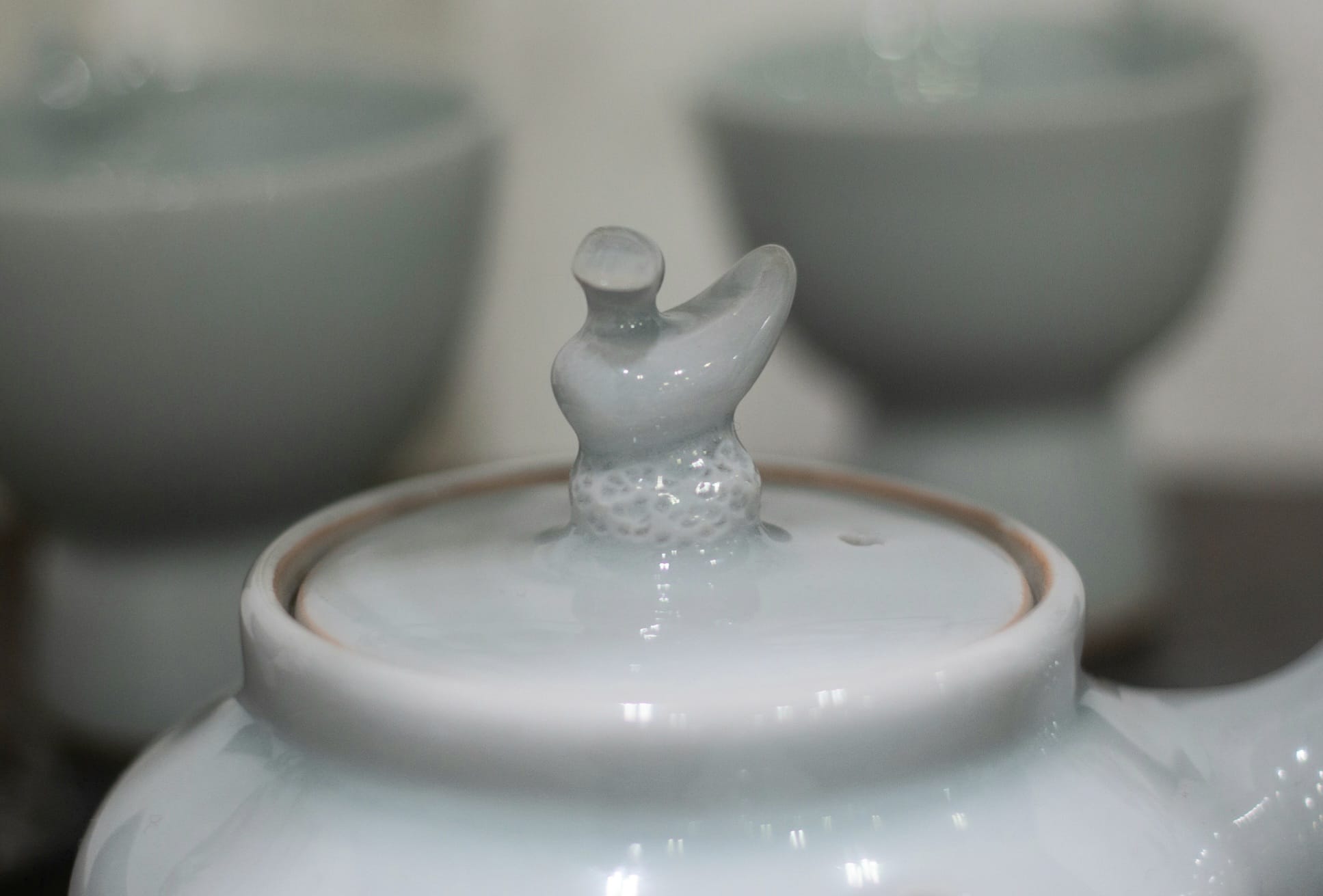
A booth called 그대오는 길 꽃길 (Flower Road) featured the work of ceramicist Sin Sunmi, whose artistic signature echoes Korean folk iconography. Sitting upright on her celadon pottery are ducks, like the duck carvings on the sotdaewooden poles of Korean traditional art. Sin's work can also be found at a brunch spot by the same name as her booth, in Ilgok-dong in Gwangju—or at art shows worldwide, which Sin has been participating in for the last 20 years.
Lim first started bookbinding 10 years ago, when she would make simple stitched notebooks as a hobby. Now at age 32, she's turned the pastime into a layered art practice.
She went to college for interior design in Seoul. Instead of graduating, she joined the workforce, making computer graphics for an architecture company in Gwangju.
Last year, Lim participated in a design startup initiative called 빛고을 공예 창업 프로젝트 (the Bitgoeul Craft Startup Project). Along with guidance in marketing and branding, the project supported Lim with funding for her new shop concept: pogmog. Now, pogmog is a physical shop in Unam-dong in Gwangju's Buk district, doubling as a studio where Lim teaches workshops and listens to indie rock records.
Lim's first time vending was at the Bitgoeul Handmade Fair last year, along with eight other teams at one long booth. At the time, she focused on wooden objects. A year later, she's going hard on the books, which she enjoys more. She's a book-lover, she explained.
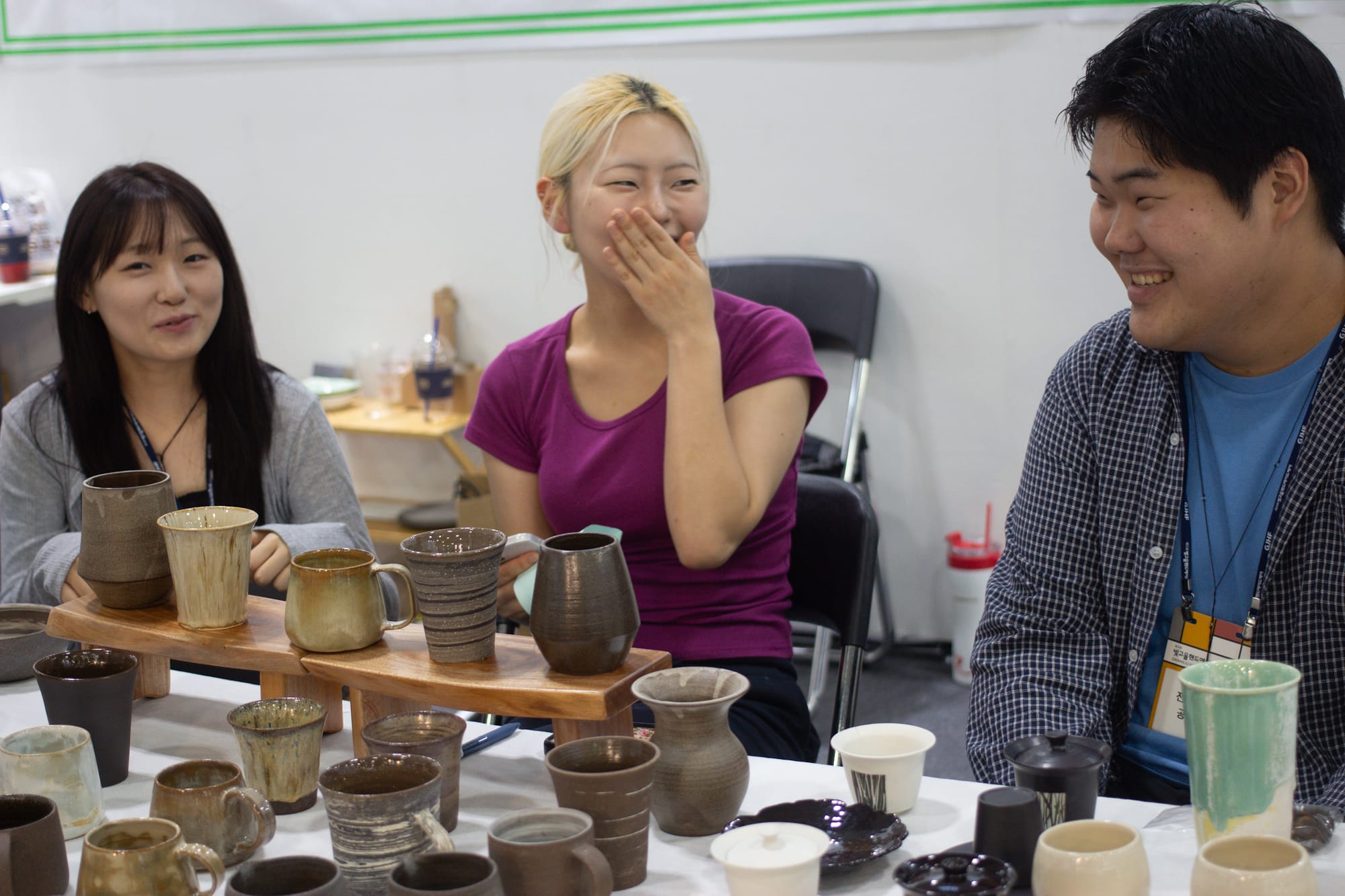
Lim wasn't the only one who found a route to hands-on market experience through the Bitgoeul Handmade Fair. Walking around, I met art students from Chonnam National University, Chosun University, and Honam University, selling their one-of-a-kind wares.
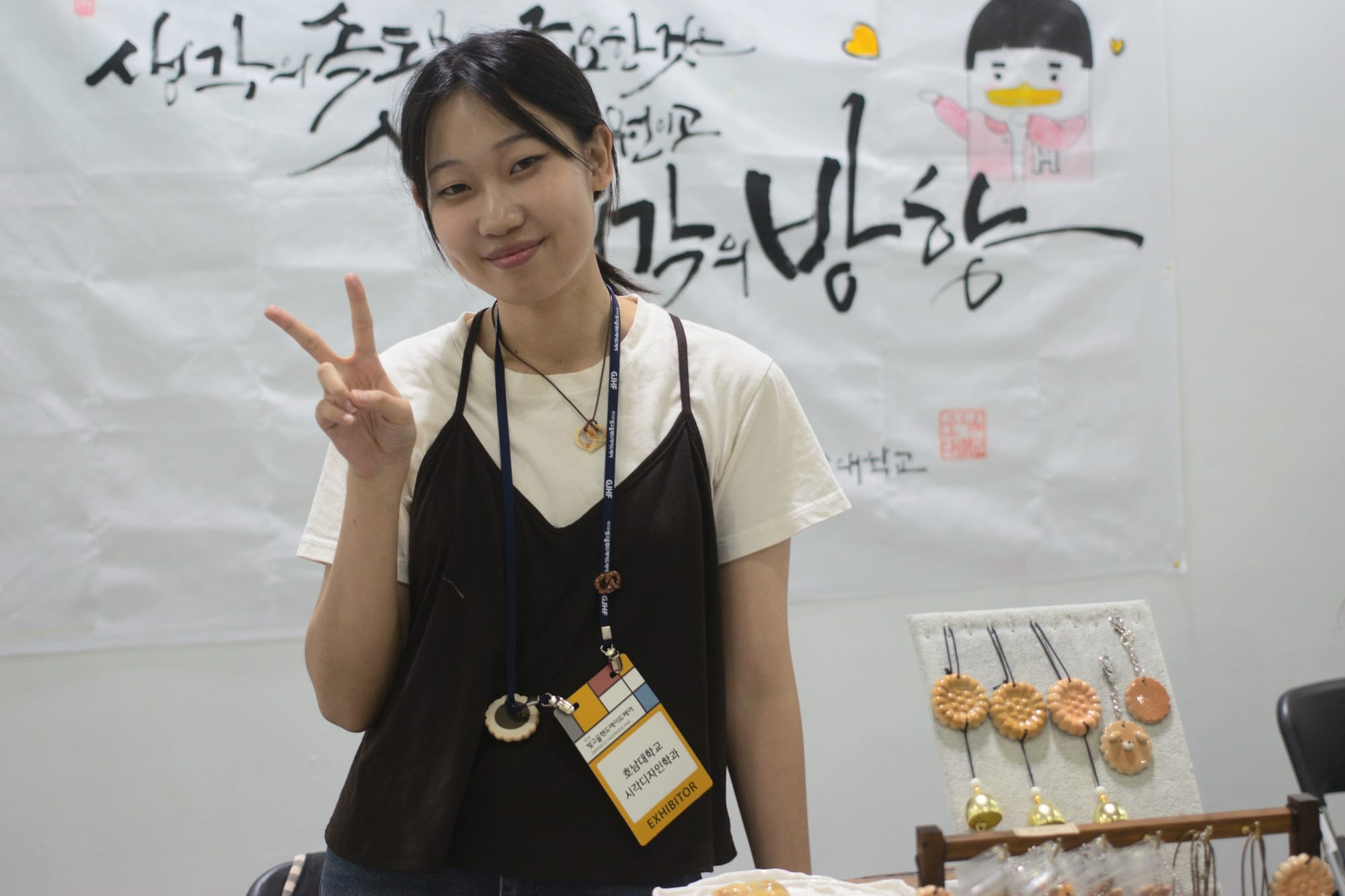
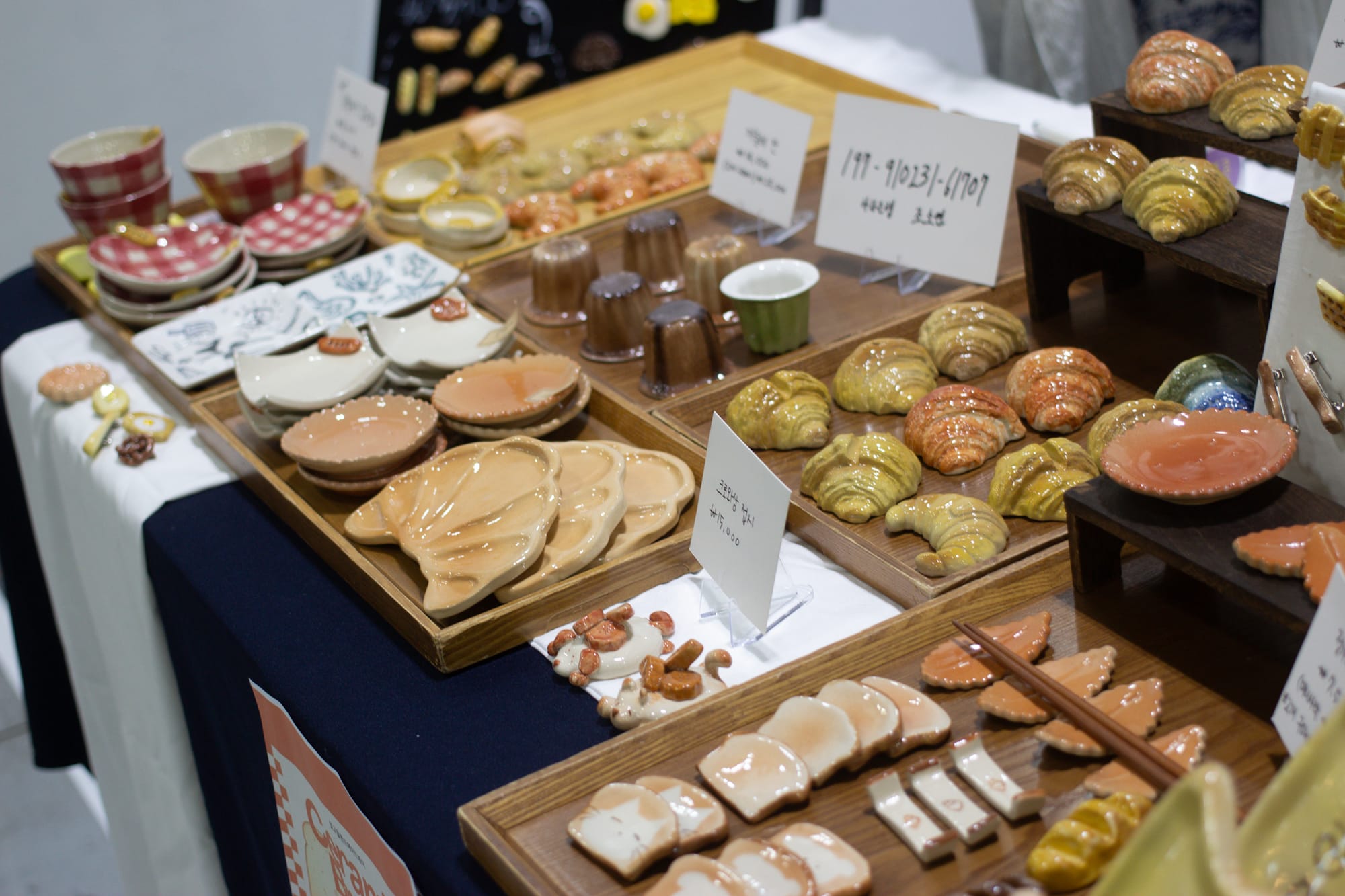
Cho Soyeon from Honam University said she started the day a bit nervous. Once the fair got rolling, her confidence grew; people were more interested in her work than she thought.
At first glance, Cho looked like a baker at a patisserie. The delicious golden hues in front of her belonged not to baked goods, but ceramic recreations of them. Pretzels, croissants, and eggs on toast glistened in the convention center lights.
Lim seemed to share this delight in the reveal. "Before you open a book," she said, "you don't know what lies inside"—much like the abandoned doors of her grandfather's village. Opening a book is like opening a door.
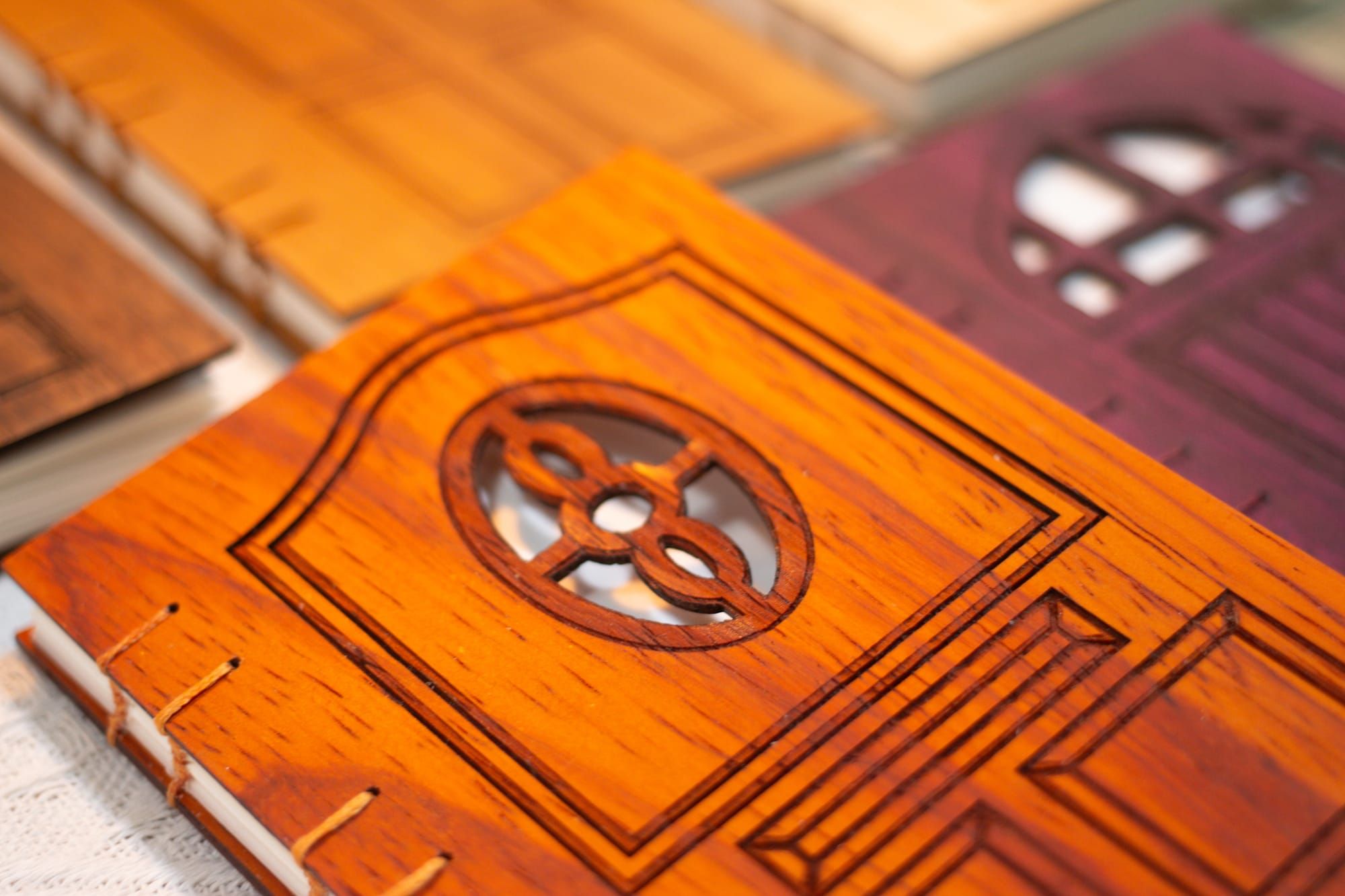
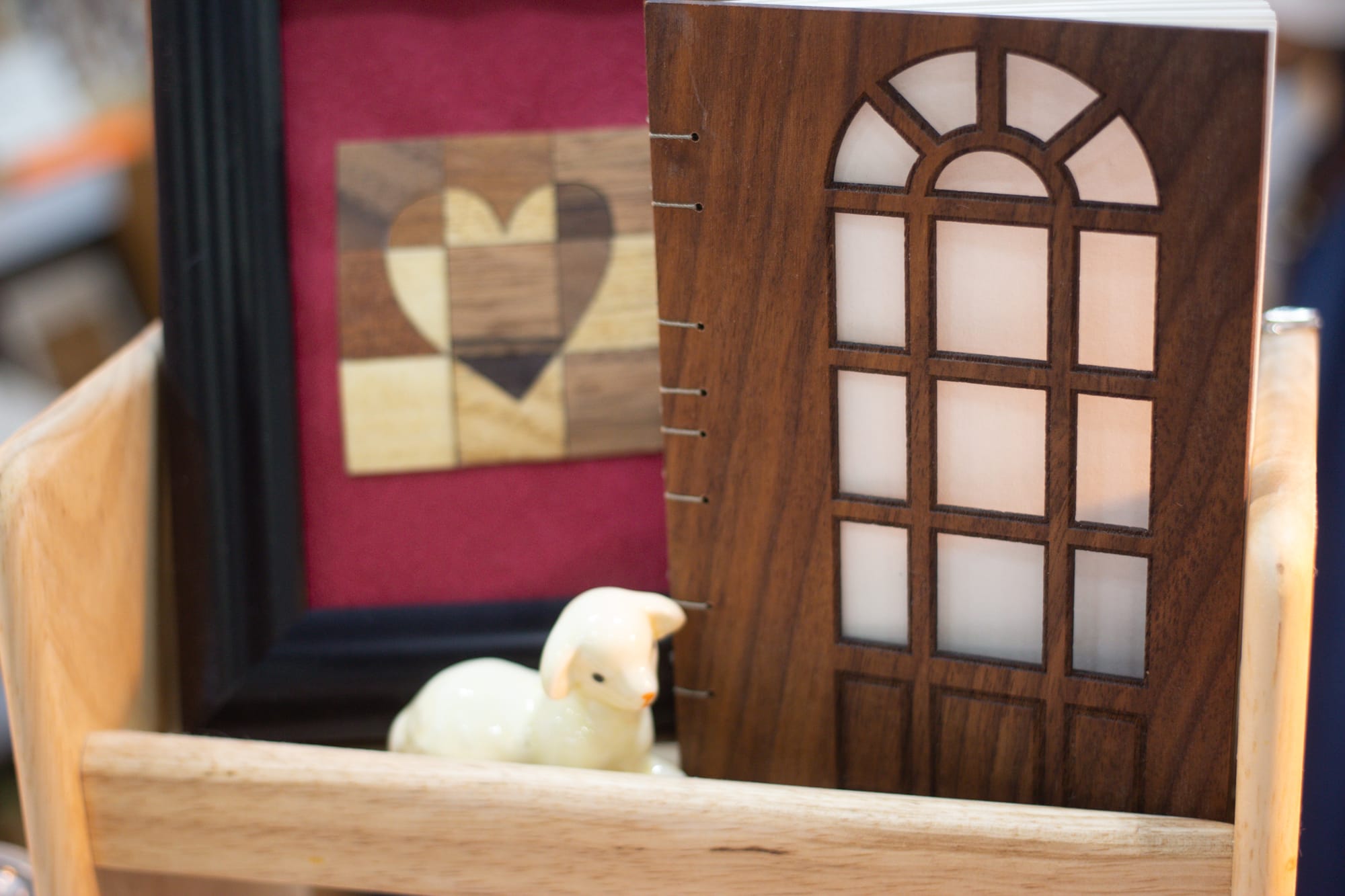
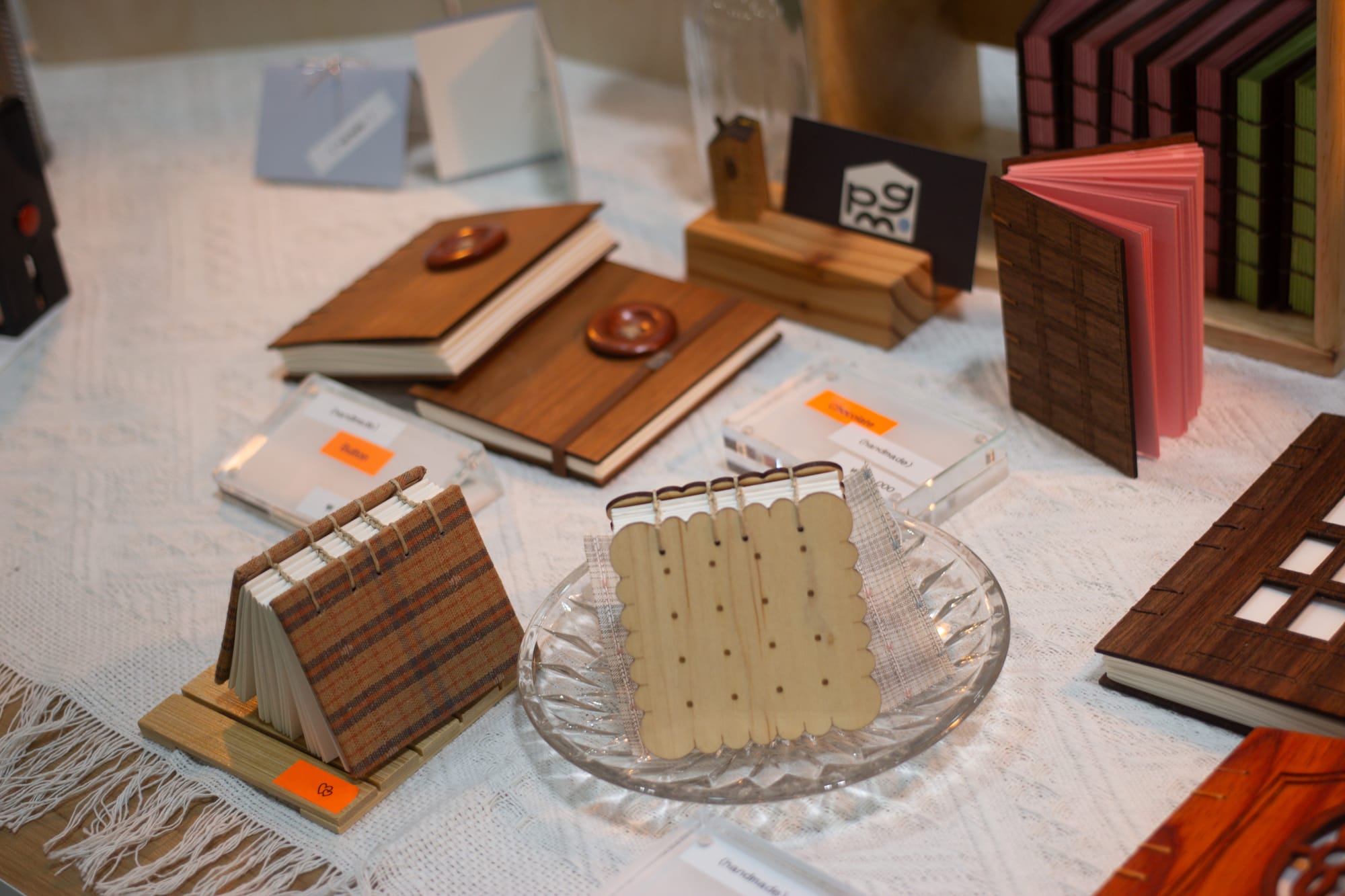
Through her art, Lim makes the metaphor concrete (or...wooden?). The stars of her display were a series of handmade notebooks with wooden cutout covers in the shapes of doors.
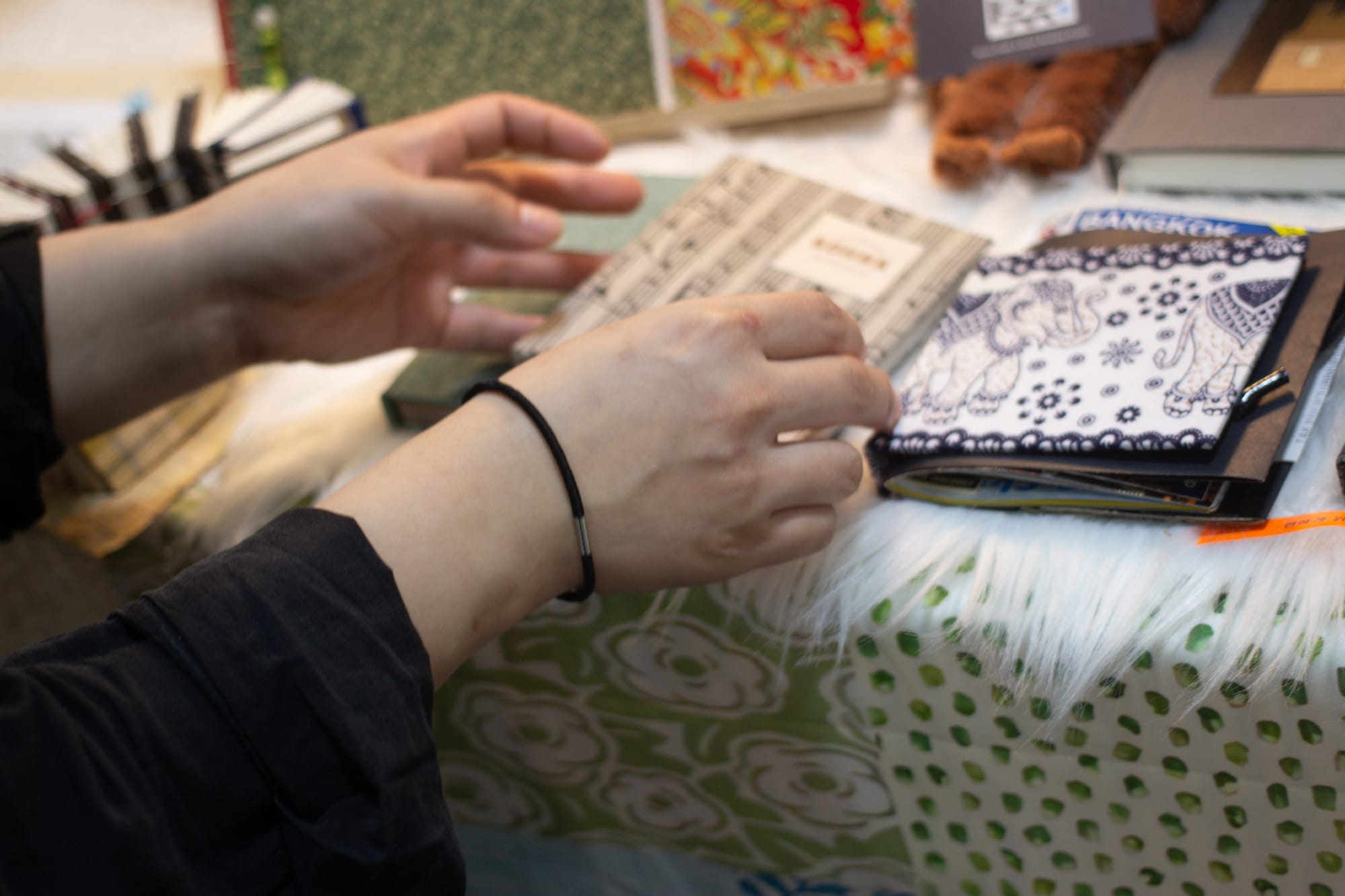
What's an example of a world behind a notebook's entrance? Lim had one ready, opening one of her books to show me: the blank page could be a space for you to unload all your negative thoughts and emotions. Then, you'll just need to remember to close the door on your way out. She shut the "door" of the notebook with a firm thud.
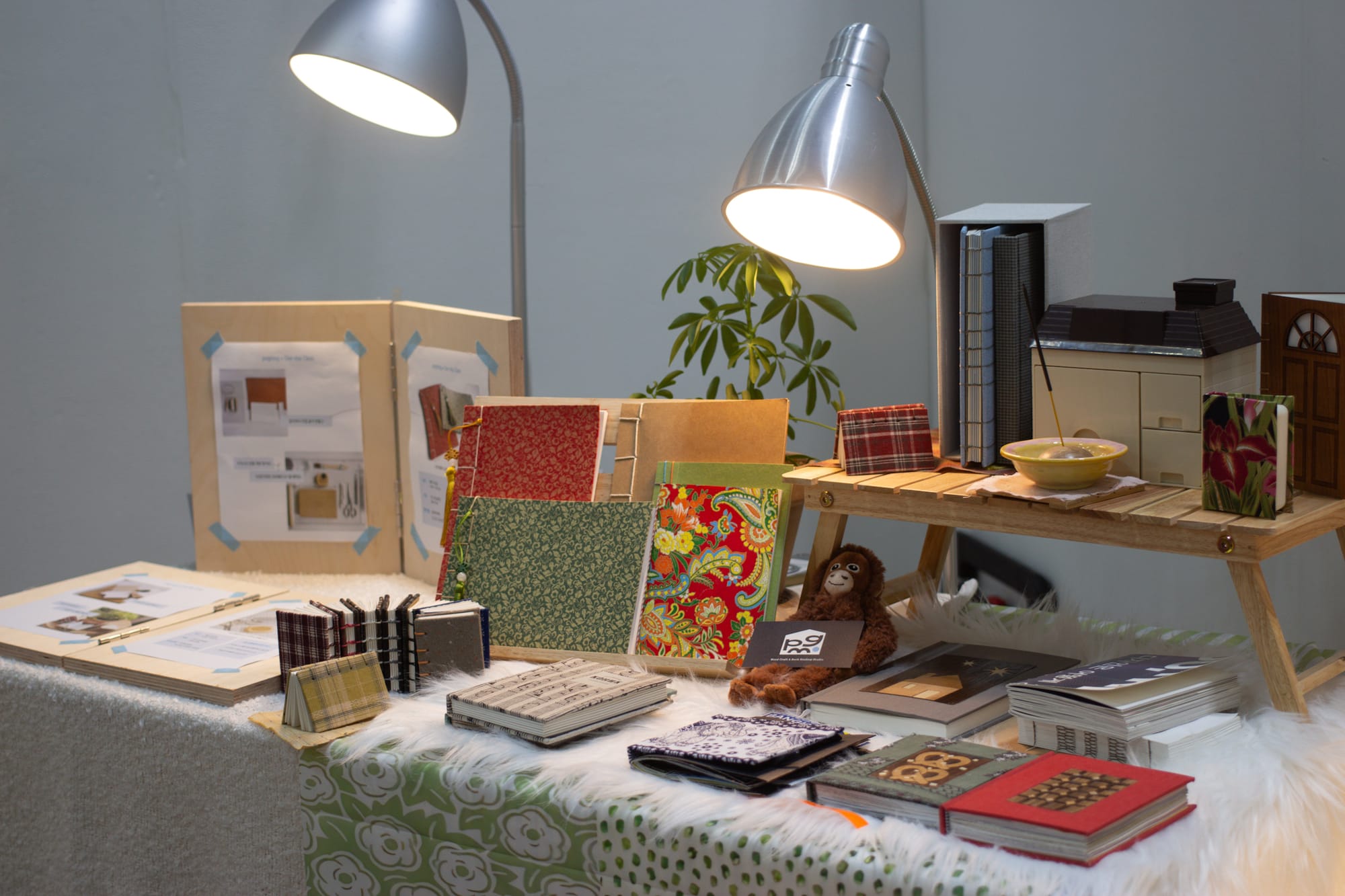
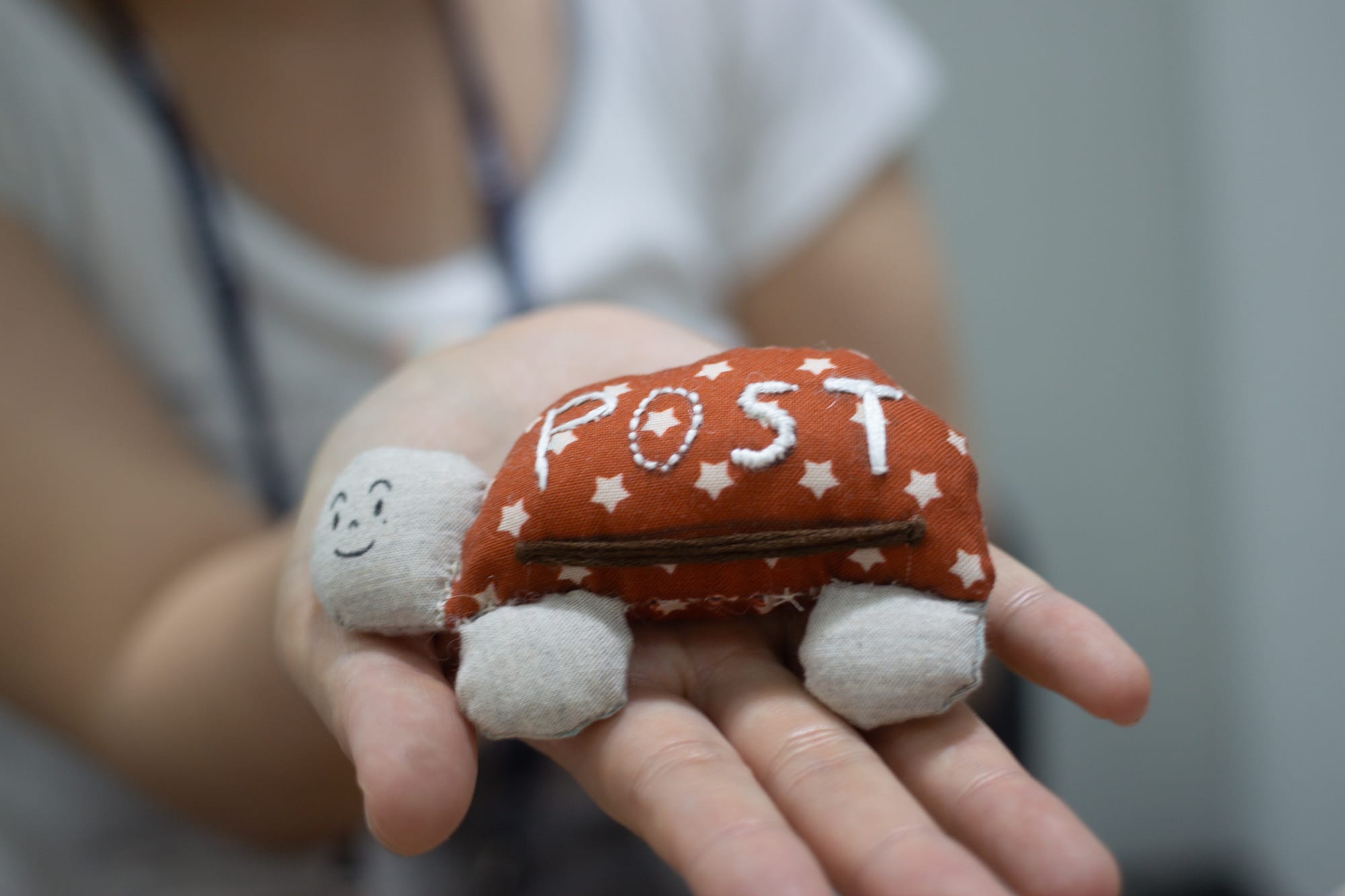
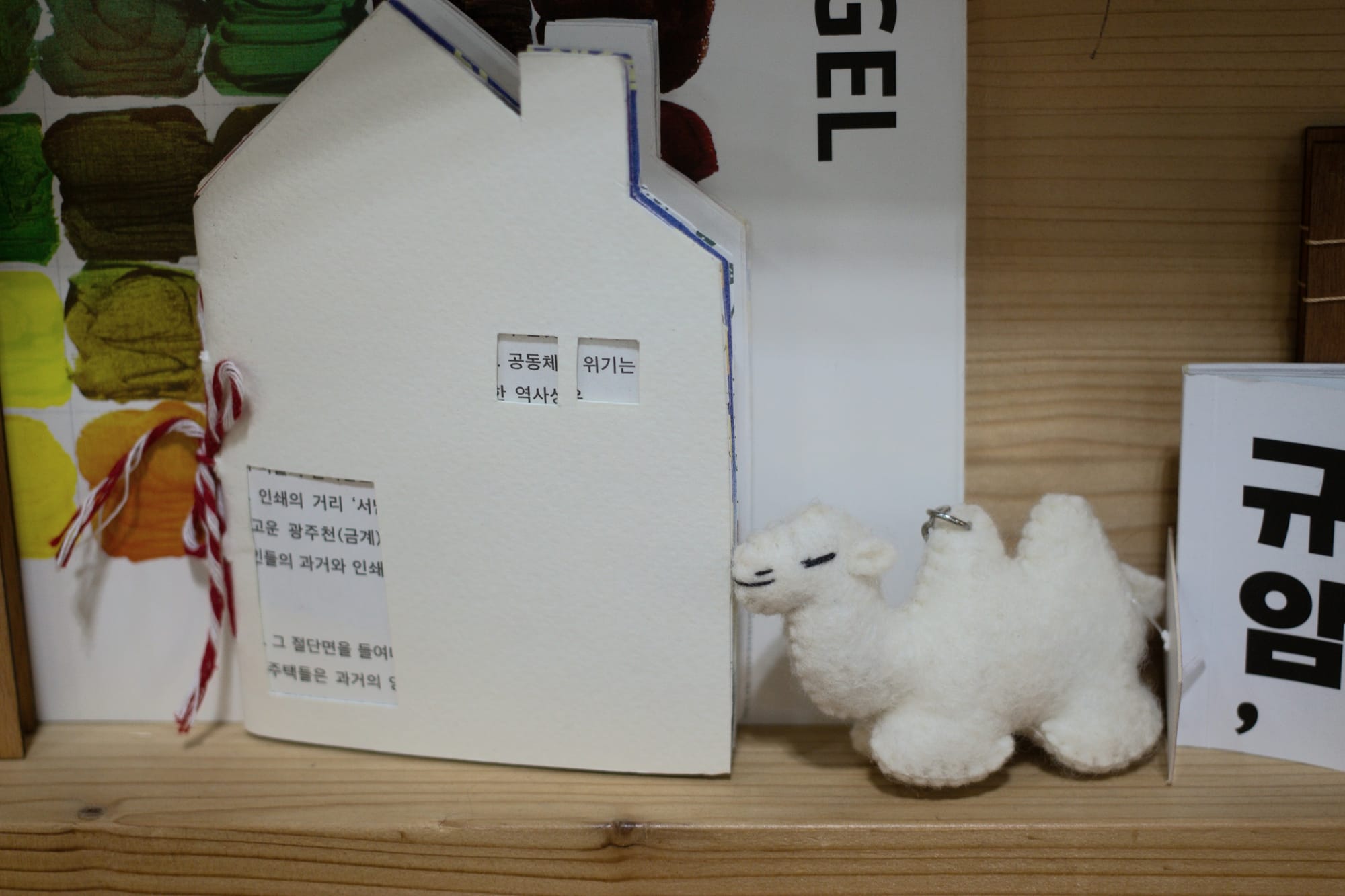
Each of Lim's handmade books is bound in fabric or wood, held together in intricate patterns of thread. One of her creations on display was a square notebook in the shape of a scalloped biscuit. Another went beyond the (door-)frame with cutout paper windows. They shared space with cute figurines reflecting Lim's curious personality.
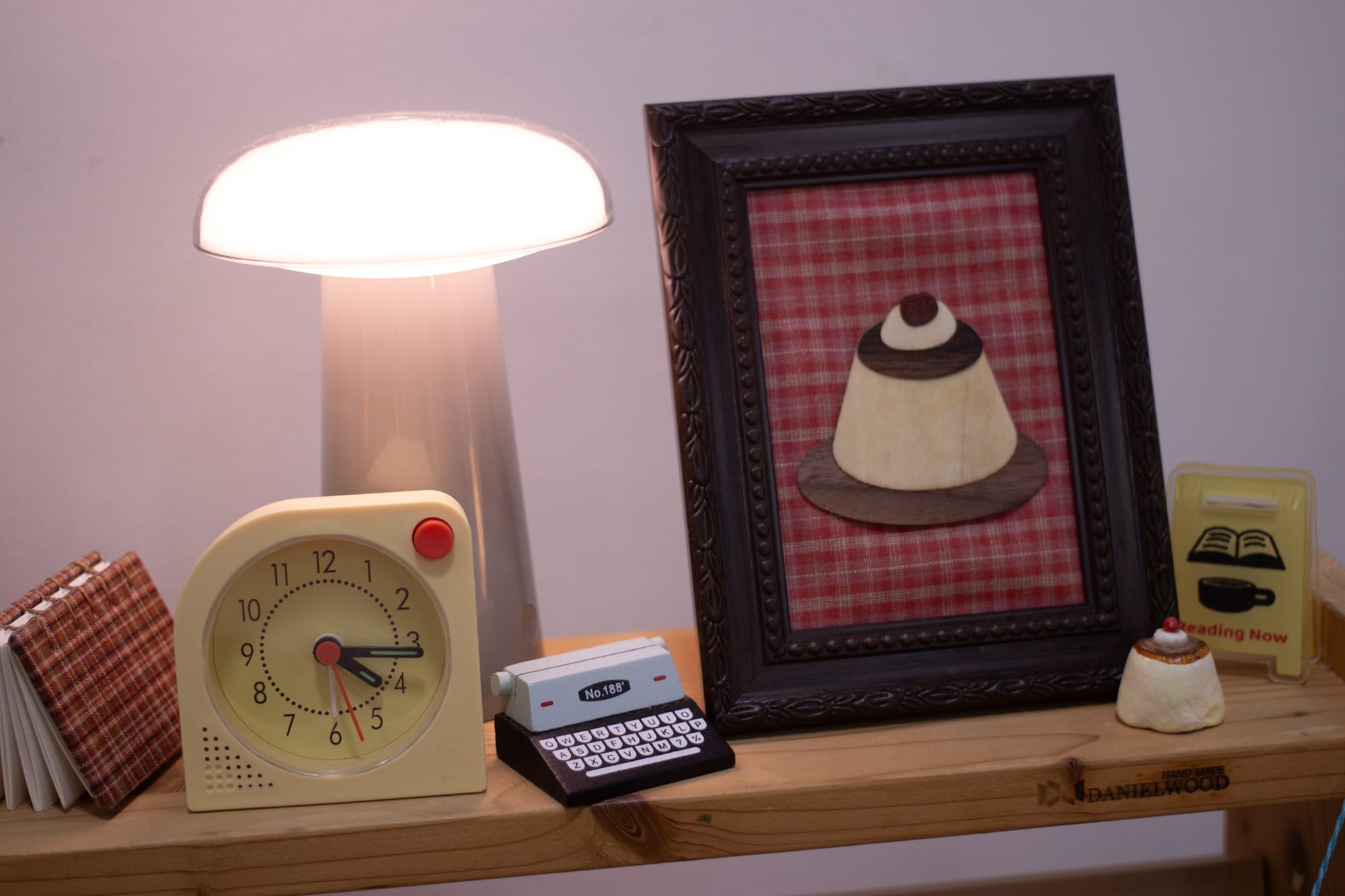
The pogmog booth may not have had a door, but walking into the space still felt like crossing a threshold. Lim told me she wanted the space to feel cozy. She likes reading in bed, so that's what she thought of while decorating her booth—the feeling of being at home, curled up with a good book.
Sign up here to get Gwangju Midbrow email updates delivered straight to your inbox.


