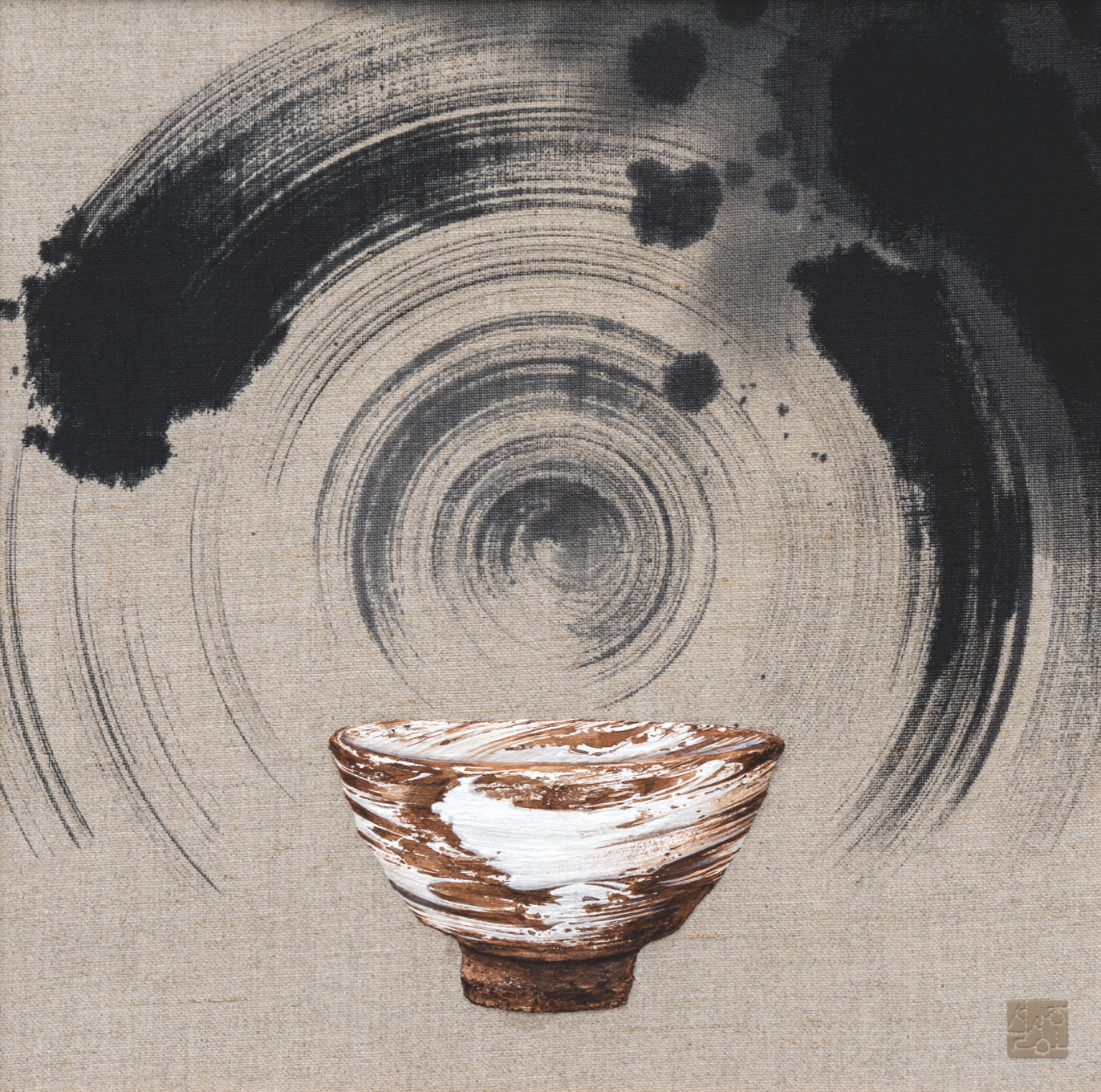
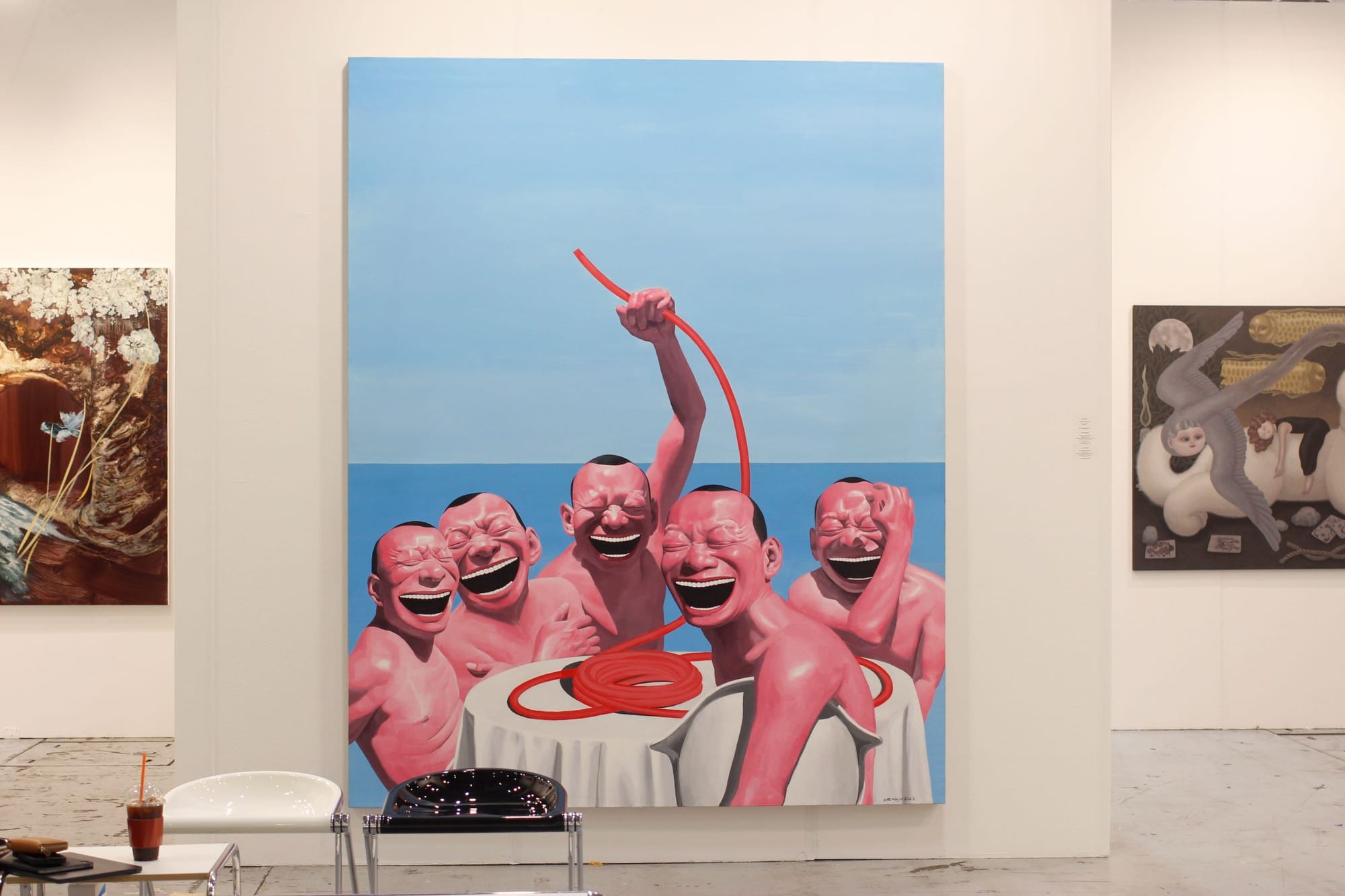
Gwangju International Art Fair, art:gwangju
KimDaeJung Convention Center
Gwangju
Oct. 21-25, 2026
(Jisu Sheen recently moved from New Haven to Gwangju, South Korea, where she’s covering local arts and culture for the New Haven Independent and Midbrow.)
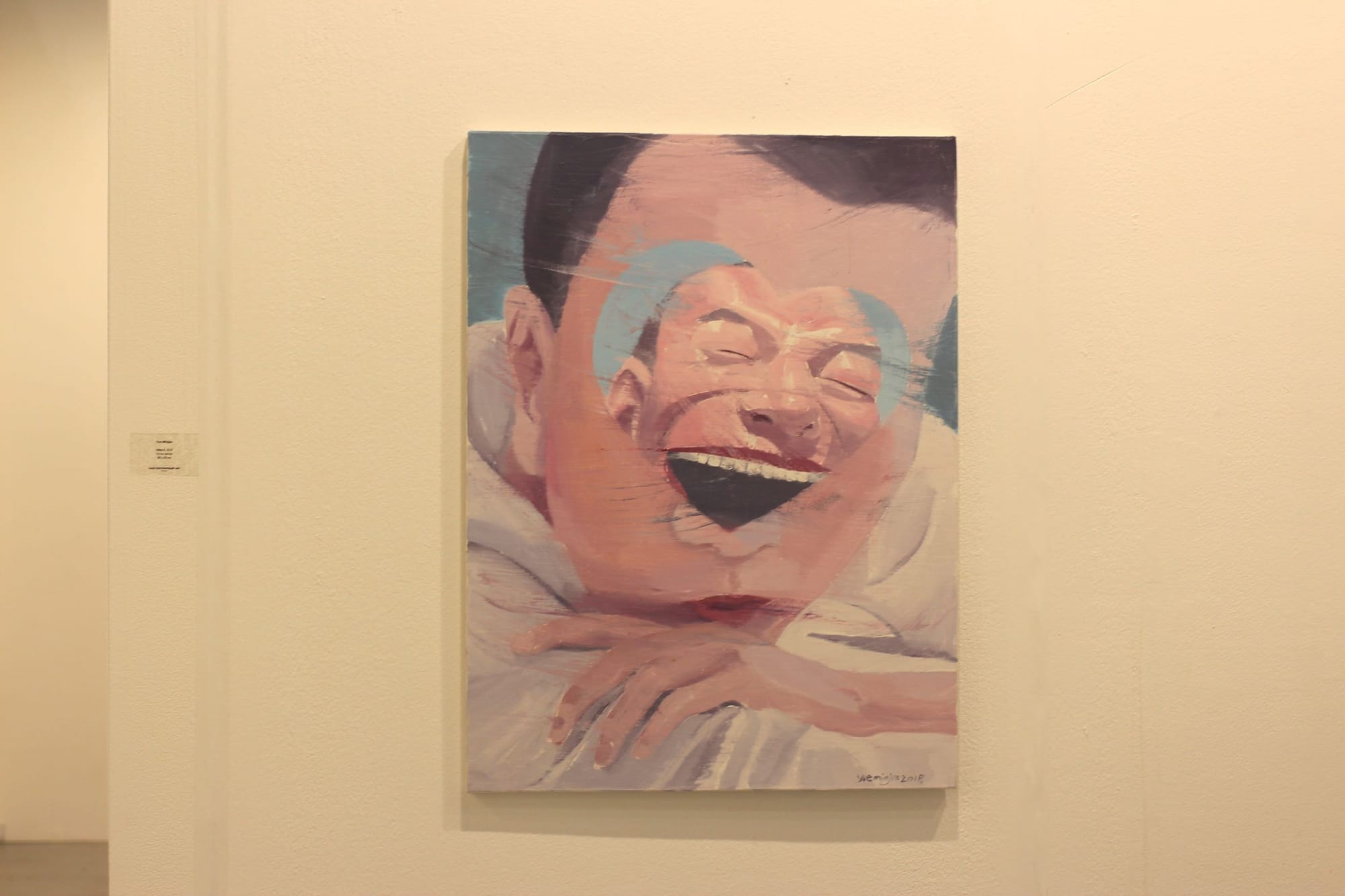
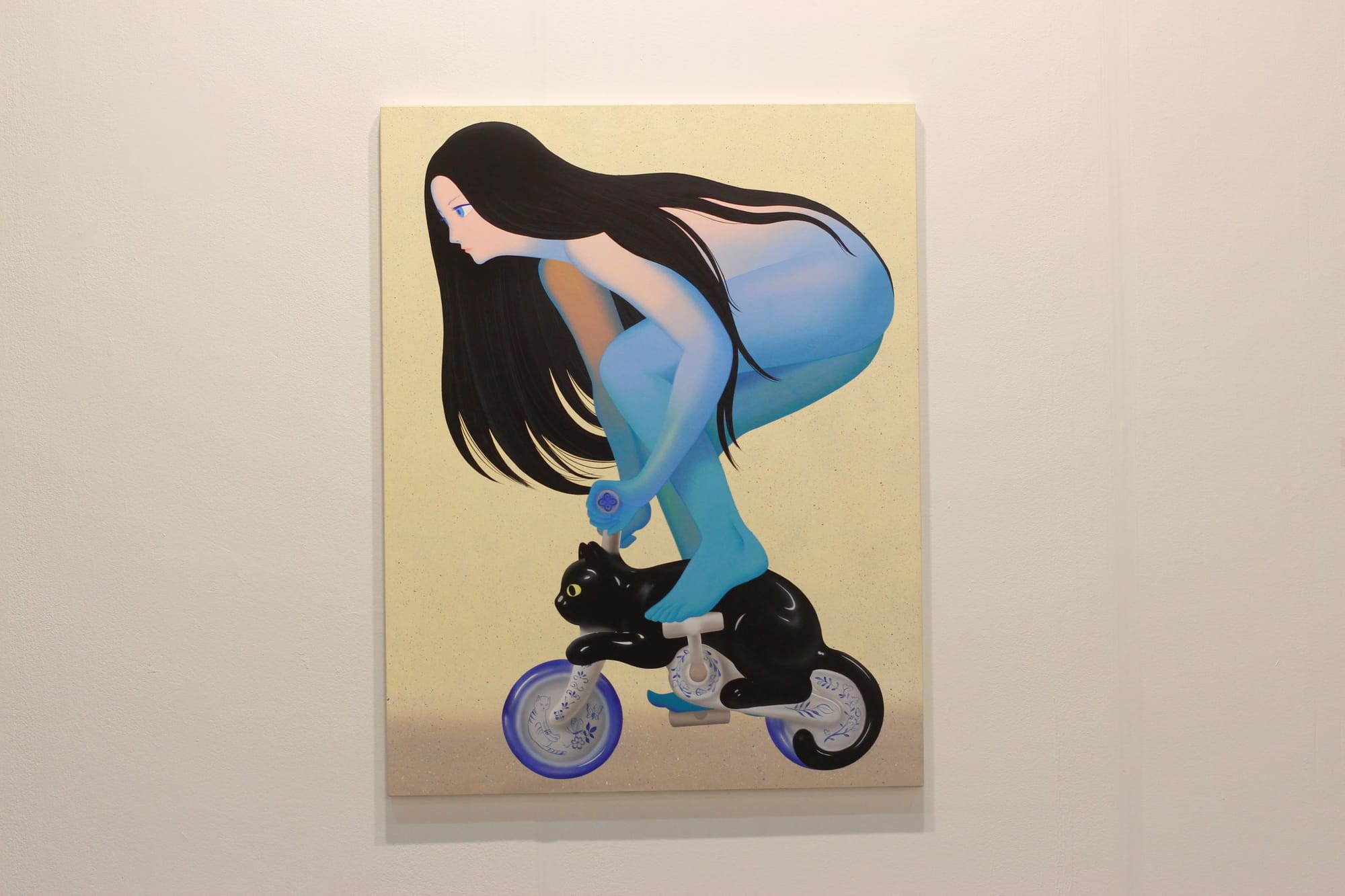
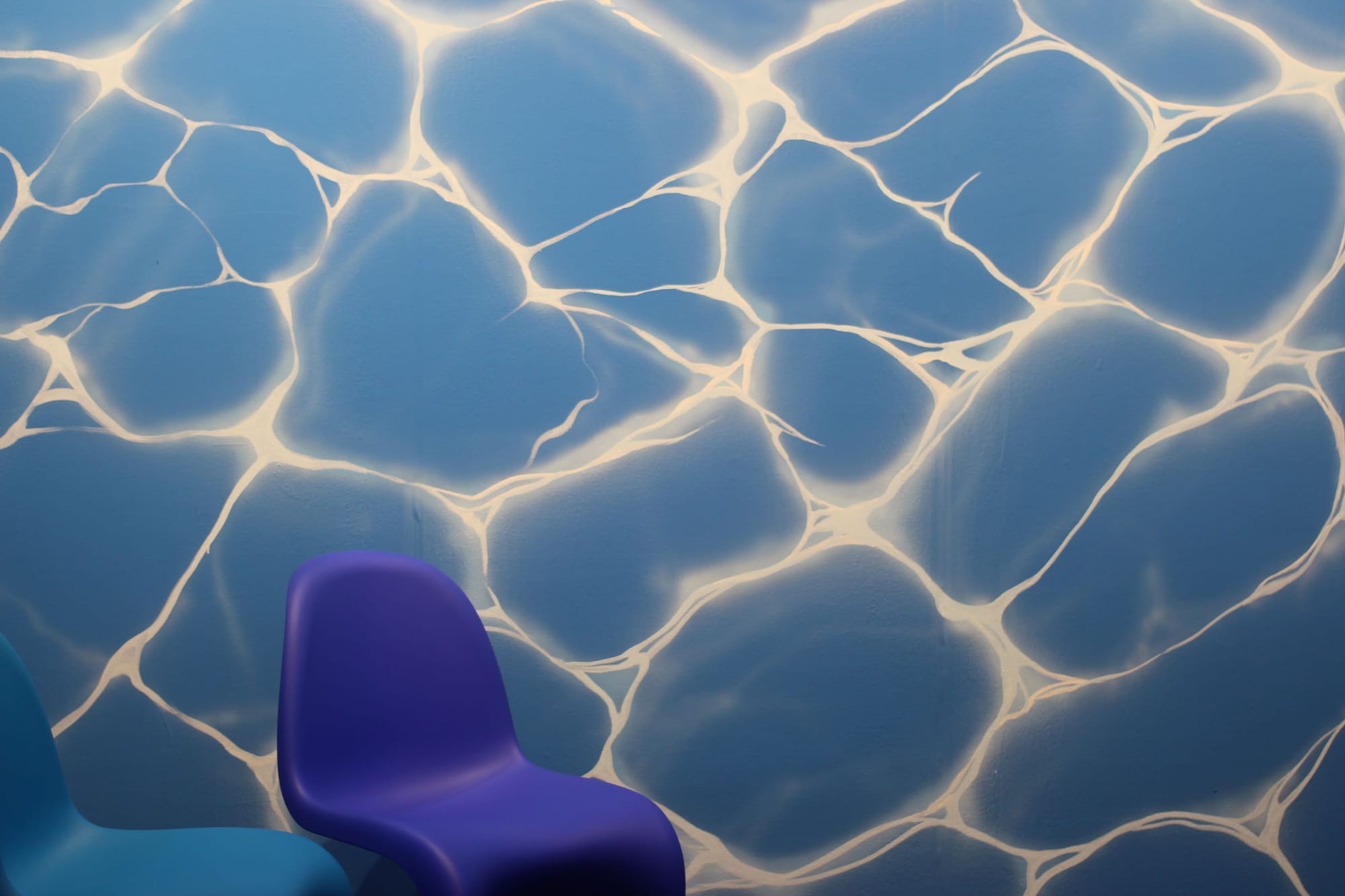
At a temporary gig I worked this weekend at the Gwangju International Art Fair, art:gwangju, I became a fan of the backdrop.
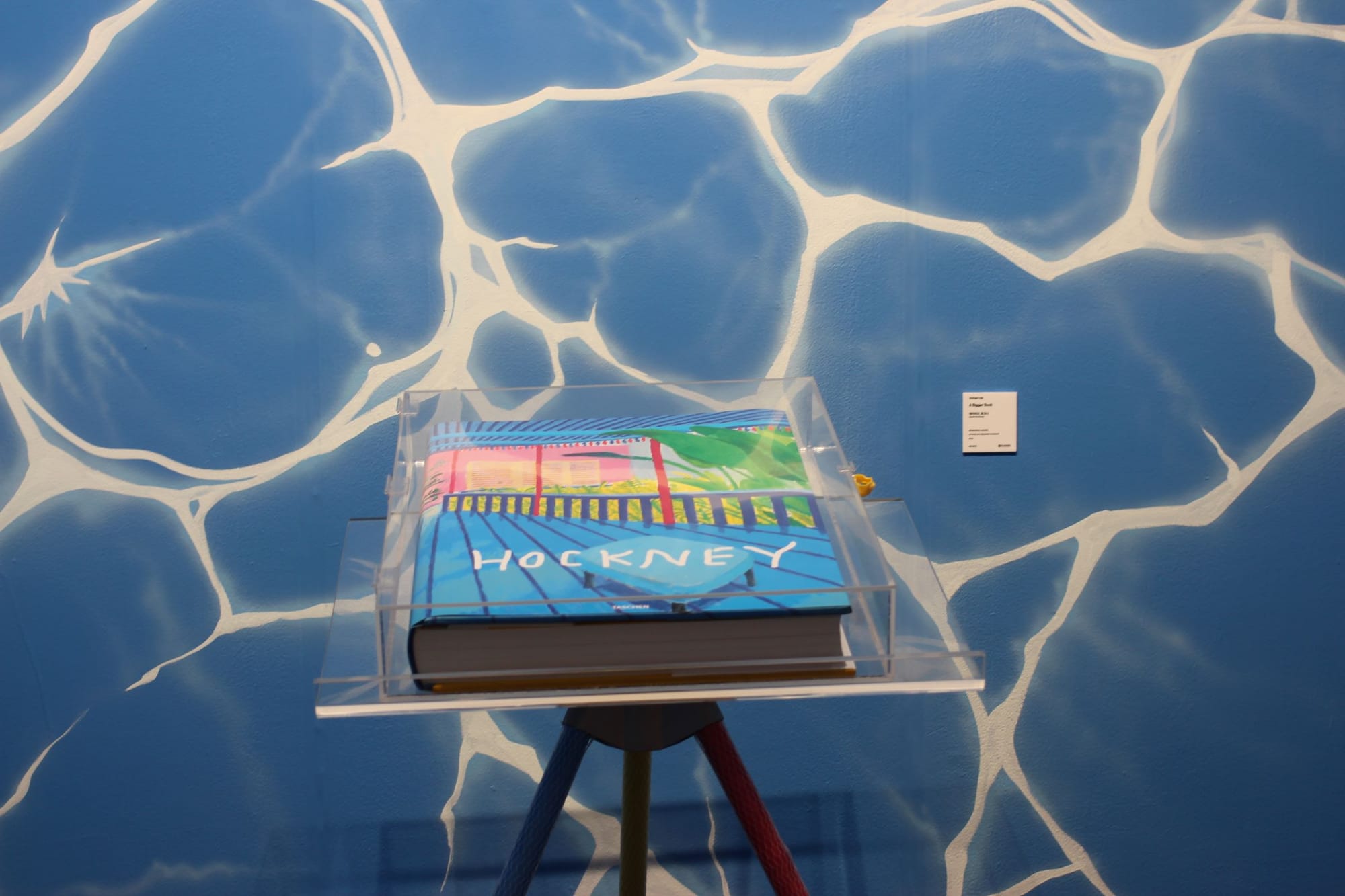
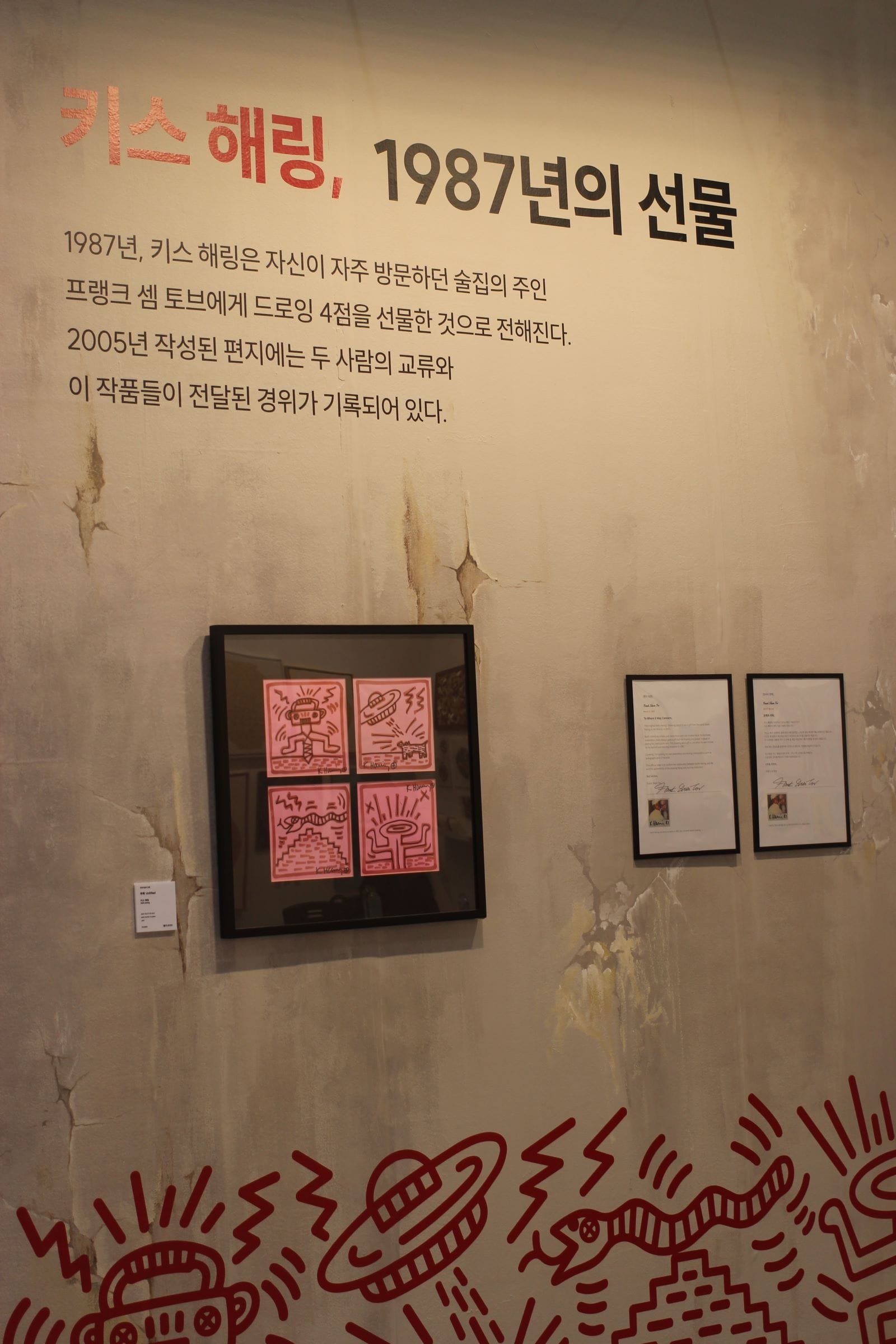
Not just any backdrop: a larger-than-life slice of swimming pool that came together in a matter of hours. And just a few steps away, a cracked wall born into a state of artificial decay.
When I first arrived, the team was putting together the bones of a structure that would go on to host thousands of artworks and admirers in the coming days. It was like watching a neighborhood being built in record time.
By mid-morning, the setup crew had gathered in a huddle of excitement around the interior of a temporary blue-walled structure. I took a peek inside; a team of painters, led by Gwangju artist 설상호 (Seol Sang Ho), was in the midst of painting a massive web of reflected light onto the wall. It looked, somehow, like the "water" was in constant motion.
I didn't know it yet, but this would be a special background for works by famed British artist David Hockney. I did know already that, no matter what arrived on the wall, I'd end up spending more time looking at the wall itself.
“Did you start painting it this morning?” I asked in Korean on our lunch break.
“No,” Seol began to say. Of course, I thought, I must be seeing the finishing touches of a project started much earlier.
“...around 11 a.m,” Seol finished saying.
When we got back to work, I tried to get a grasp on the goings-on of the art fair procedures, but I was distracted by the live painting happening before my eyes. Seol and his team were now painting "cracks" into a gray wall. (It would come to host a piece by Keith Haring.) From my spot behind the info desk, I watched a white wall turn into the aged facade of a New York building and a makeshift interior turn into a swimming pool.
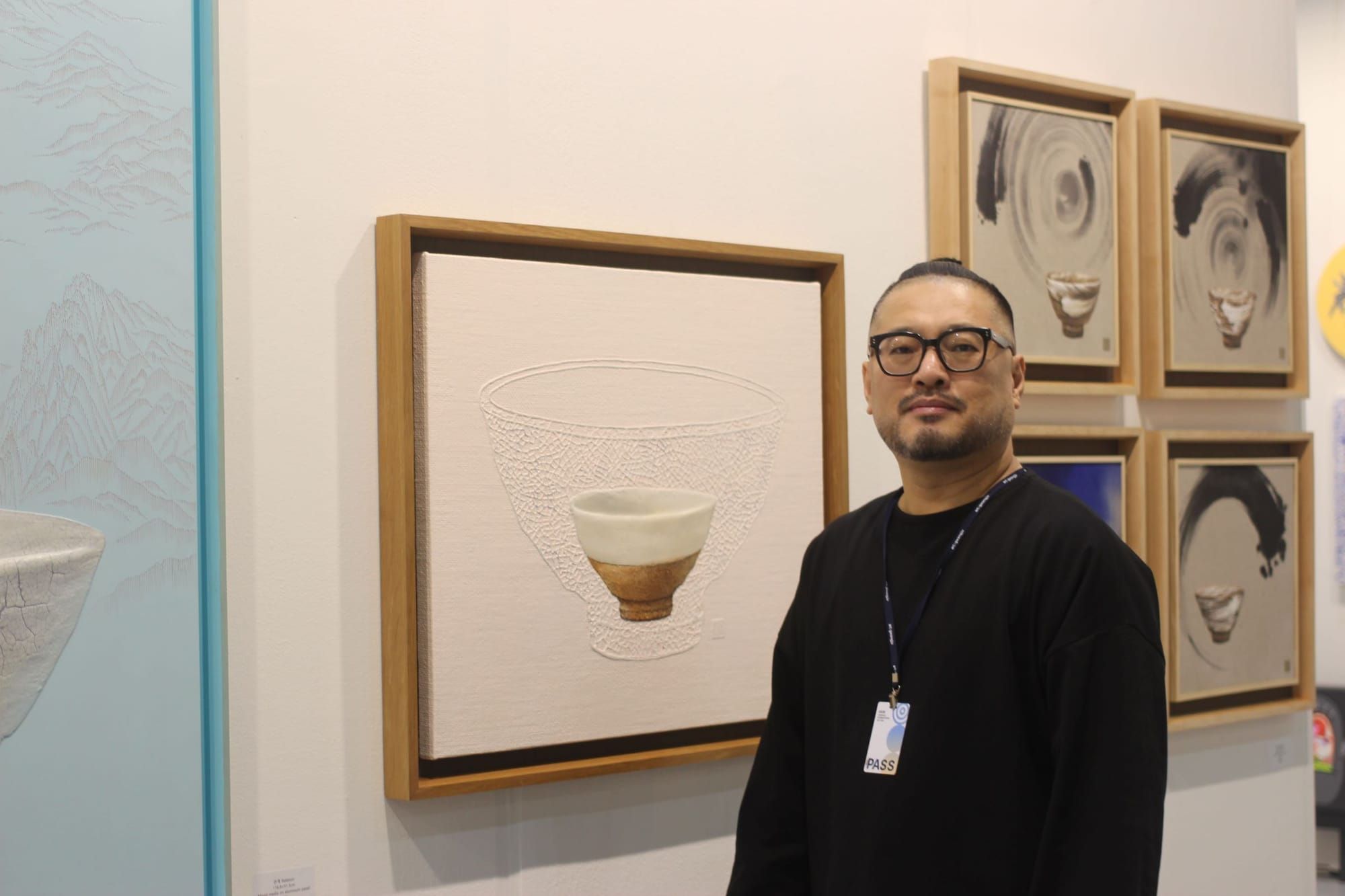
The live relationship between the art and the viewer, it turns out, is a key feature of Seol's approach to art. Once the fair was about to start, I realized Seol had his own section at a gallery booth, featuring a series of paintings titled "광걔" ("Relations").
Like connections between humans, these paintings carry elements only visible from a certain angle or distance.
"There are things you don't see until you come close," Seol said in Korean, showing me the details of the mountains in the background of some of his paintings.
From far away, the rock formations, delineated by a subtle silver shimmer, were not even noticeable. As I got closer, the mountain ranges took shape. Even closer, and I realized the shapes were made up of series of vertical lines. And finally, I saw each line stemmed downward from a carved dot.
"Sixty to seventy percent is background," Seol said of his works. He compared it to the empty space of the human mind, which we can then fill with various thoughts. By engaging with the art and filling the space with their own perceptions, viewers can complete the process of art-making. Before that happens, Seol said, it's not finished yet.
These philosophical paintings weren't Seol's first foray into creating space for new interactions to take place. Neither was his work on the Hockney and Haring backdrops.
Back in 2020, Seol was the artistic director for a public art project in Gwangju's North District, where he assembled a team of fifty local artists to turn the walls of a pedestrian underpass into a series of tile murals. It was both an effort to beautify the public space and a way to share funds with artists who were struggling amid the onset of a global pandemic.
The murals are still there, and people still fill the walls with their thoughts as they walk through the underpass. The empty space of Seol's "Relations" paintings was about to encounter a flood of perceptions in the bustle of the international art fair.
And in the haze of my evenings at the art fair, when I felt close to losing my grip on reality, an oasis kept me tethered. A patch of light on a swimming pool, immersive enough to make me feel like a drop on the water's surface, stayed within view at at all times. I was there when it was created. When the fair ended and all the walls were stripped, the room would be where it began. And soon enough, this would all be a memory, to be reviewed in the context of another job, for another audience to encounter.
Sign up here to get Gwangju Midbrow email updates delivered straight to your inbox.