광주토종학교 (Gwangju Native Plants School)
Naju
Oct. 11, 2026
(Jisu Sheen recently moved from New Haven to Gwangju, South Korea, where she’s covering local arts and culture for the New Haven Independent and Midbrow.)
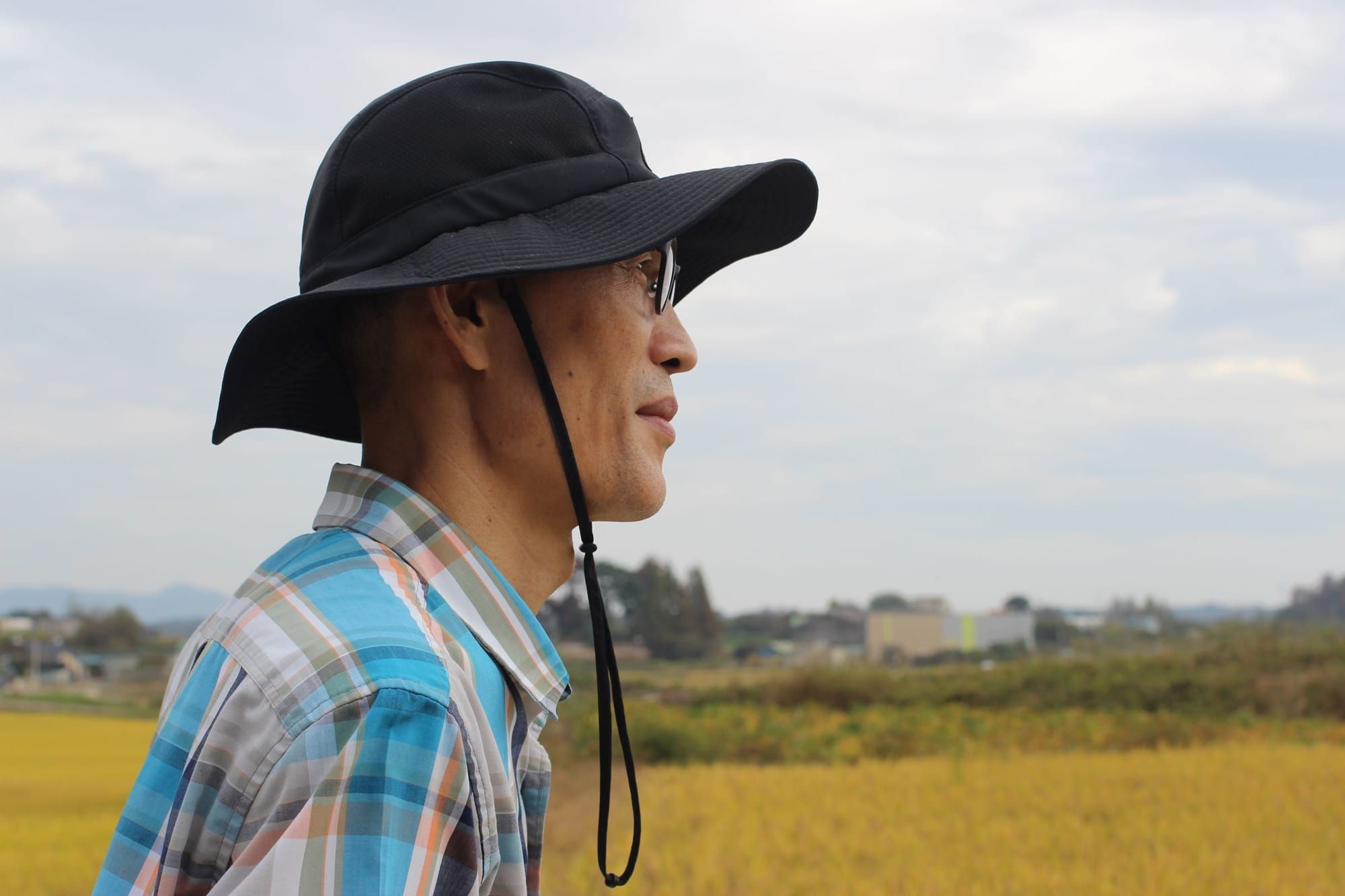
When radio broadcaster 윤형혁 Yoon Hyung-hyuk was growing up in the South Jeolla city of Naju, he would harvest crops by hand.
In later years, he witnessed the arrival of the combine, which changed how farming was done across the country. Now, Yoon is farming by hand in Naju once again, as part of an organization called 광주토종학교, or the Gwangju Native Plant School.
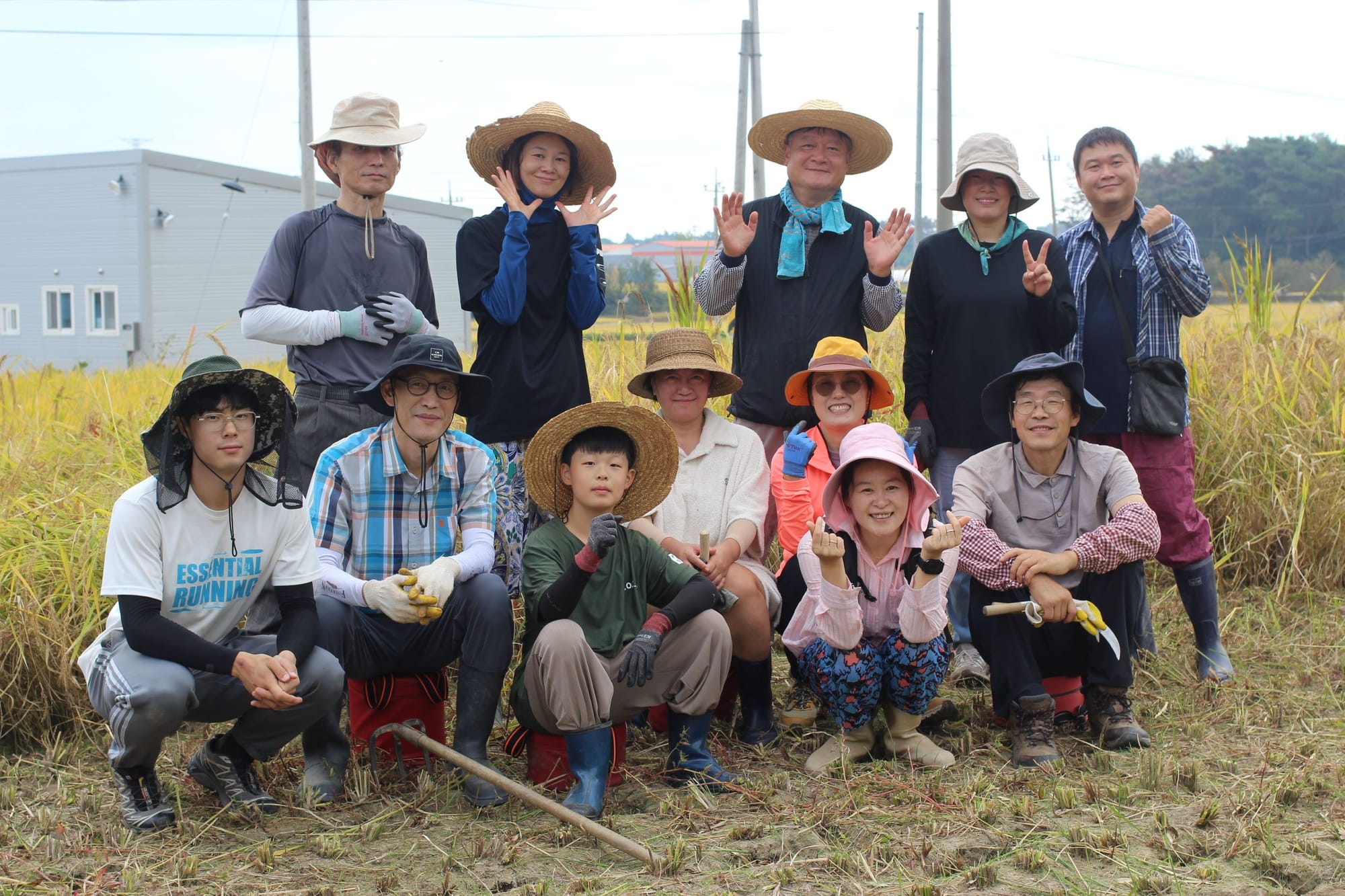
The school, which is now on its seventh cohort, meets up once a week on Sundays to cultivate native Korean plants using traditional hand tools like the nat—the Korean sickle—and the homi, a multipurpose hand plow. The yearlong curriculum starts in January, but I snuck in last month after hearing about the school at a farmer's market.
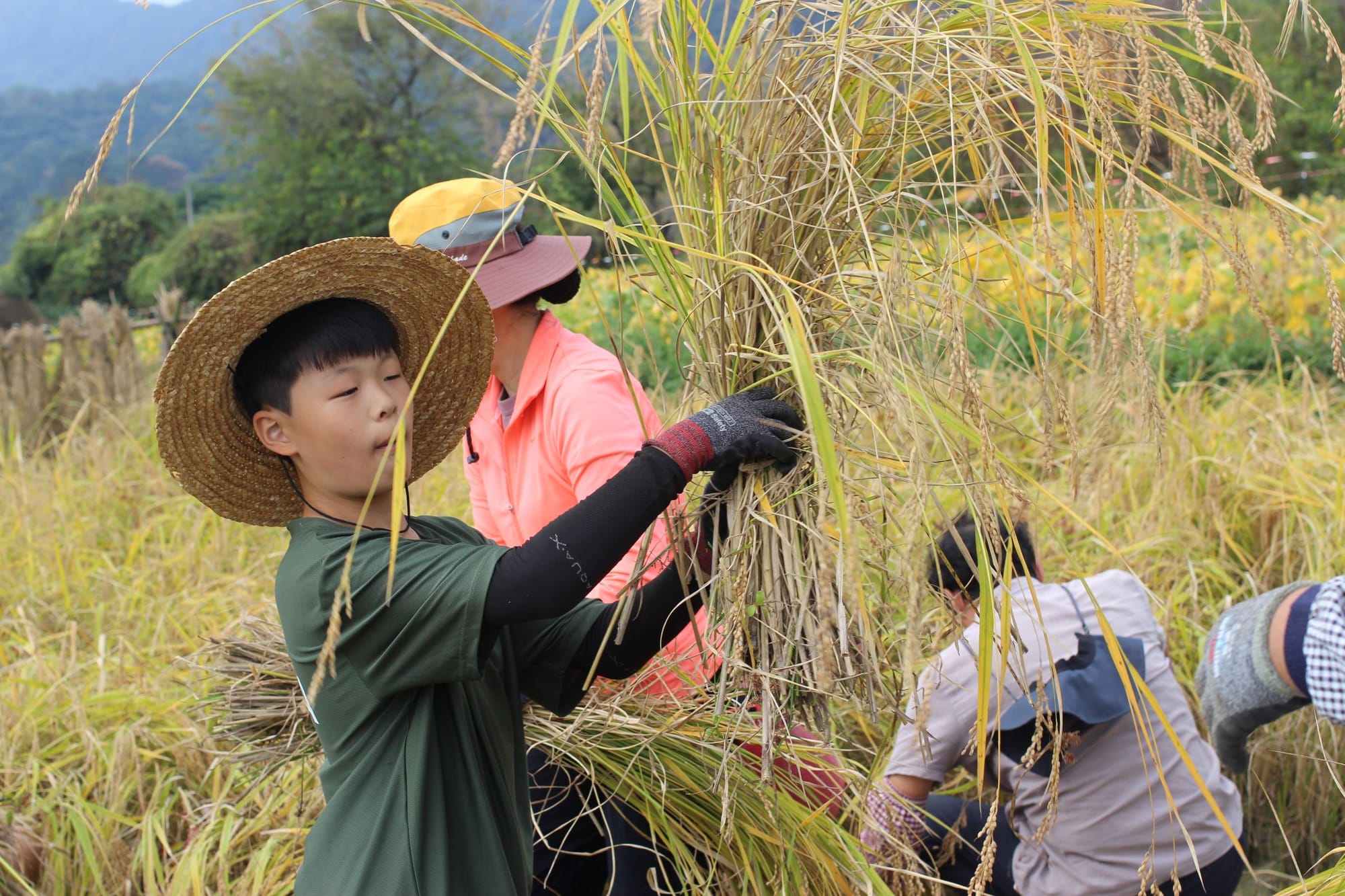
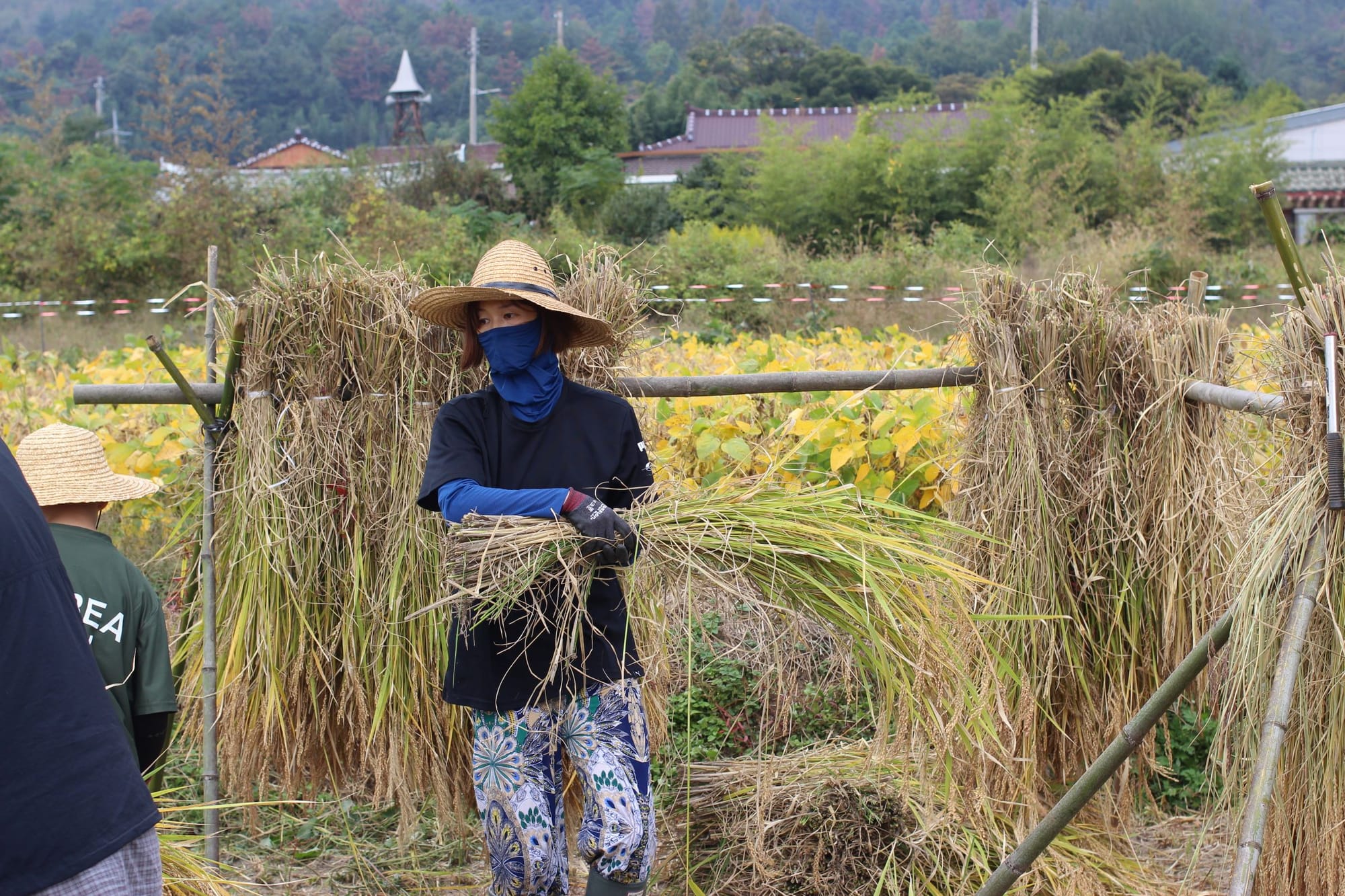
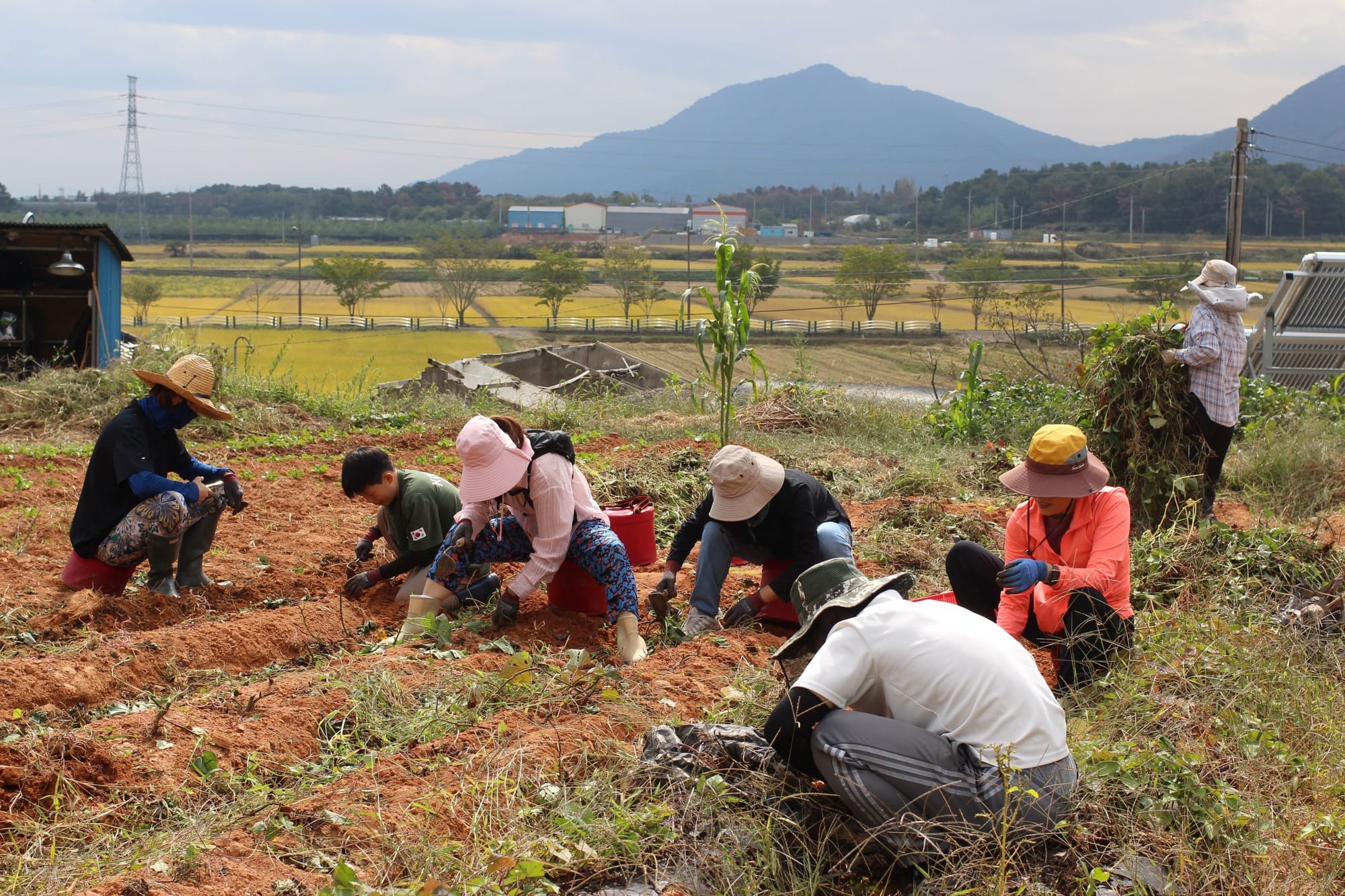
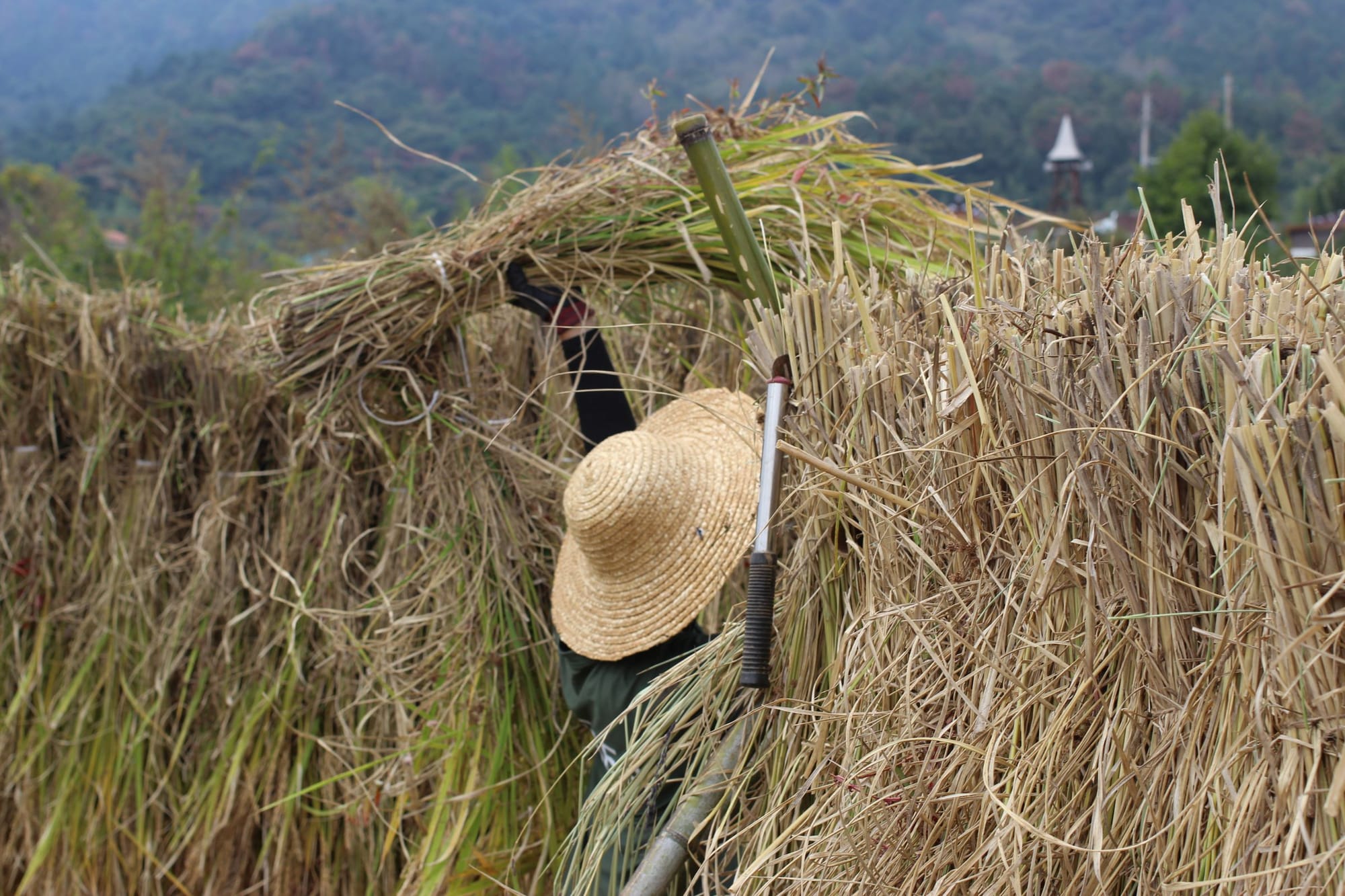
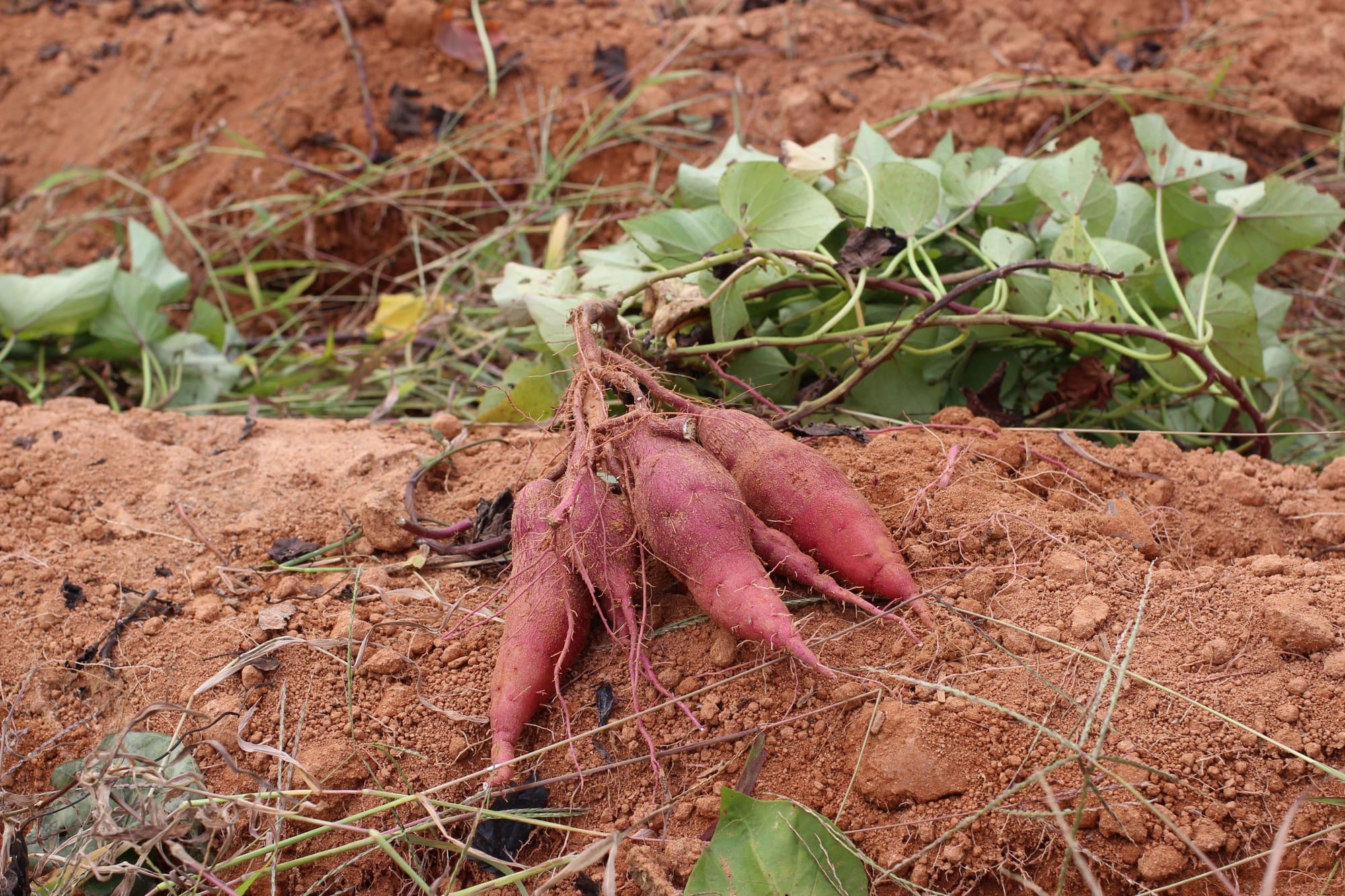
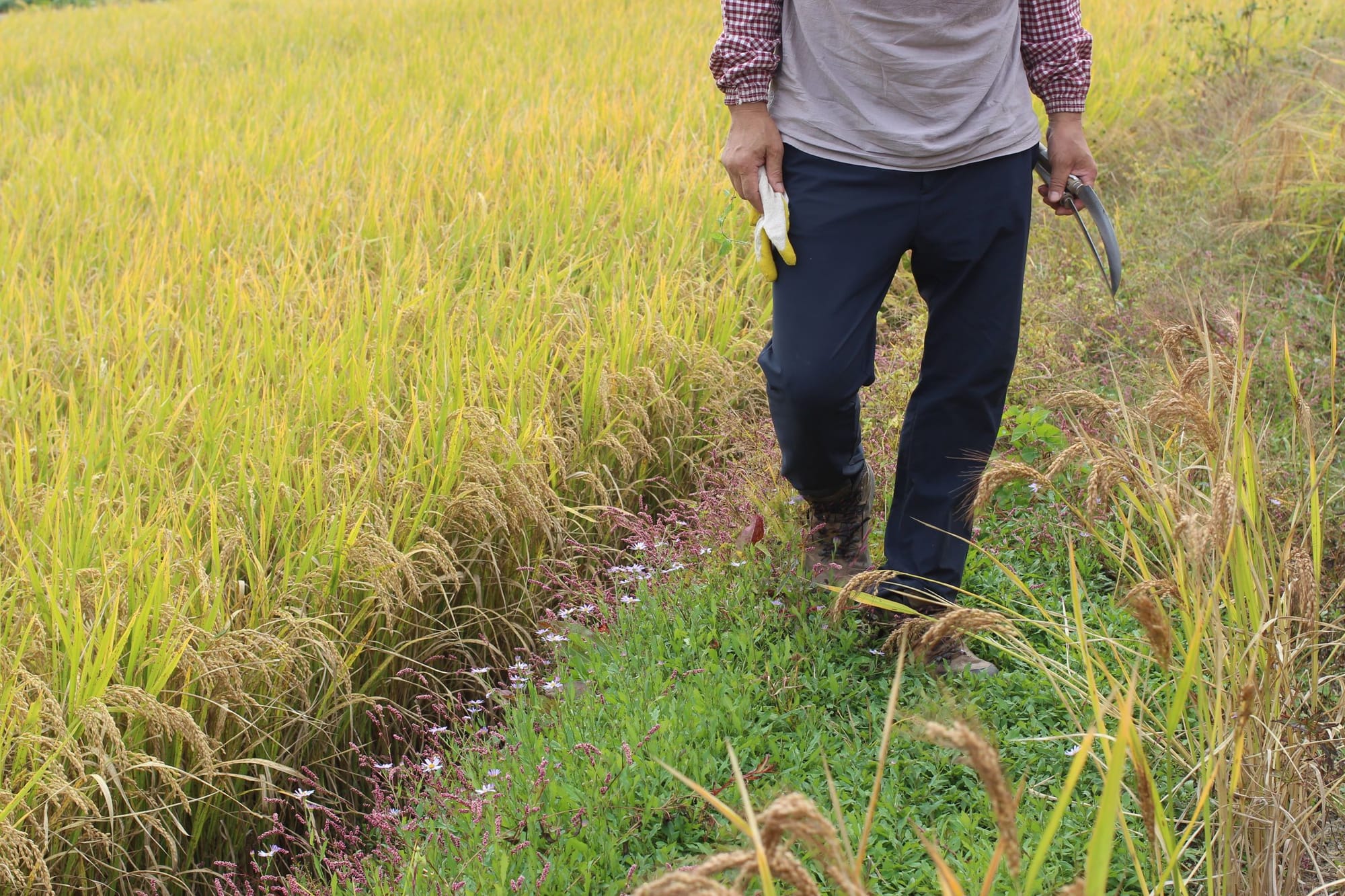
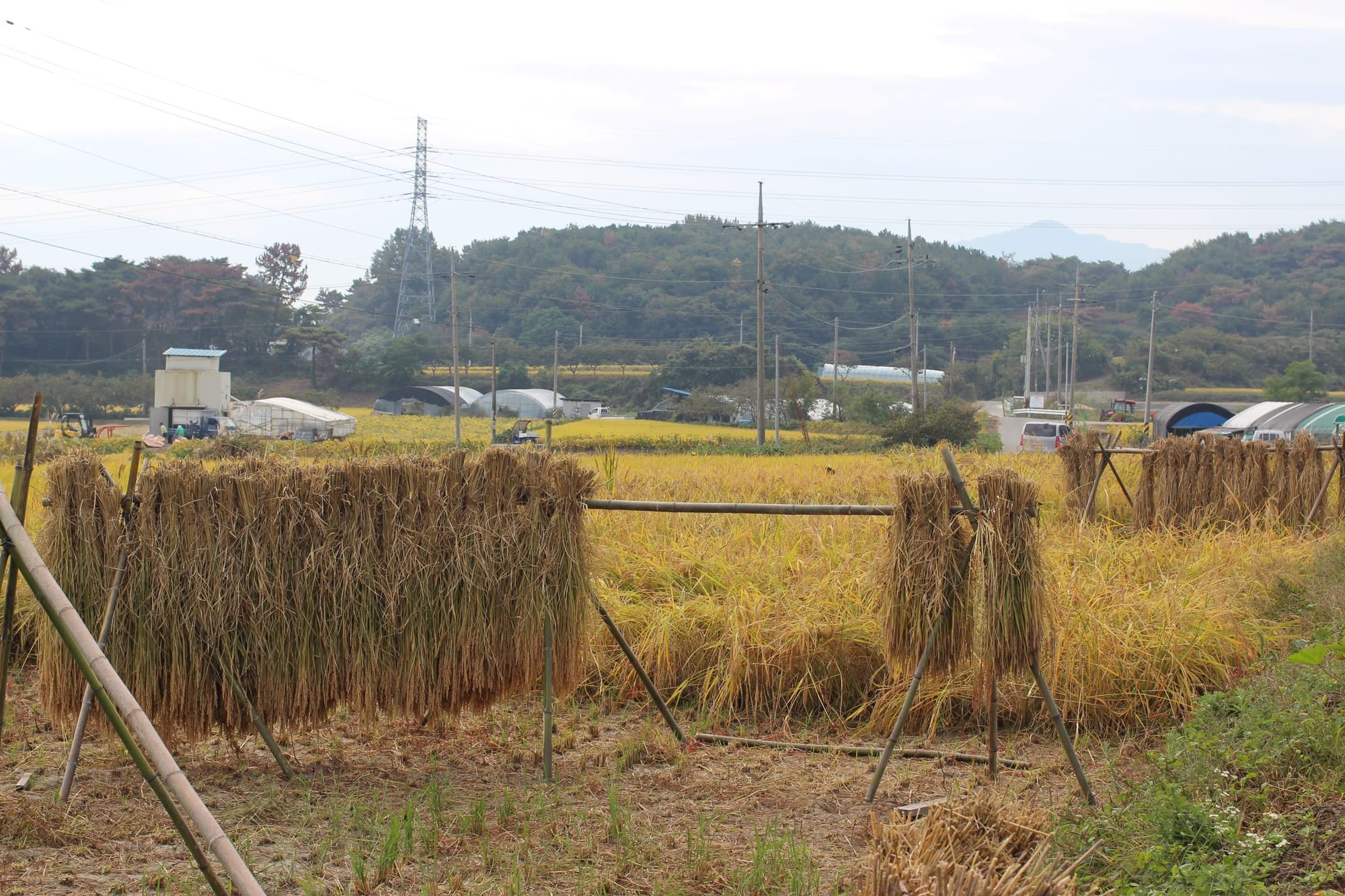
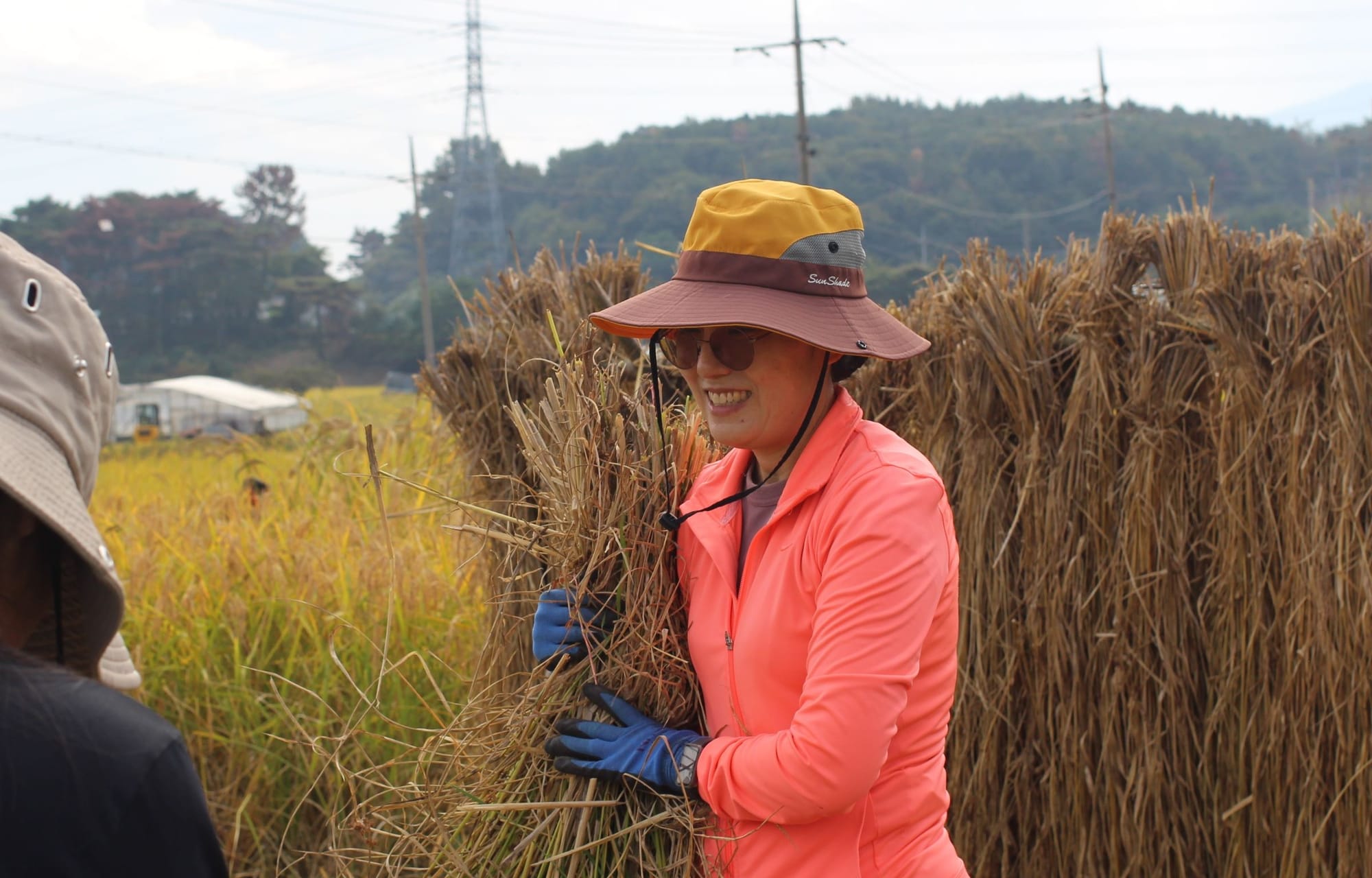
This past Sunday was a day of harvest, as part of the 한로 (hallo, or cold dew) agricultural solar term. We dug up peanuts and sweet potato planted back in May. Over at the school's rice field, we sliced long stalks of native rice and dried them on structures of bamboo cut from one of the other fields.
While walking from the rice field to the sweet potatoes, Yoon called me over to take a detour through a nearby rice farm that was using a combine to harvest their yield. The machine cut the rice plants and separated the grains from the stalks in one swift motion. All the work our cohort had just done, the combine was doing in seconds.
We walked up to the machine and waited for the moment when the stream of grains would empty into a truck. I asked one of the farmers there if he ever harvests by hand. He said yes, when he has to take samples. I chatted with him a bit about how we are farming at the school, and he encouraged me to keep going.
He said the rice in front of us was 동진 (dongjin) rice, and that another type they had cultivated was 새청무 (saecheongmu) rice, which I learned later was developed in 2017. As we were leaving the field, Yoon picked up one of the rice bunches the combine had left behind. It was empty of grains—and quite short compared to ours.
Yoon explained this was an intentional development in light of the typhoons that cause heavy storms in Korea. Taller stalks, like ours, are more vulnerable to heavy winds and downpour.
While we walked, Yoon told me about a time in the 1960s to the '80s, when Korea was trying to develop its own advanced variety of rice. The country was looking to Japan, which had by then developed its koshihikari rice, still their most popular rice to this day.
In that era, Korean agricultural researchers came up with 통일쌀, or unification rice. "It wasn't tasty," Yoon recalled in Korean.
The rice varieties our cohort was harvesting that day were 들렁들치기 (deulleongdeulchigi), 아가벼 (agabyeo), and 자광벼 (jagwangbyeo). We'll get to taste them before the year's end.
This is one of the functions of the school, according to founder 신수오 (Shin Su-Oh). Along with wisdom on farming and the importance of native seeds, the students also acquire a taste for native plants.
Then there are the more philosophical lessons: "What do I really enjoy; how do I want to live?" Shin said in Korean. Through the Gwangju Native Plants School, people used to city life can experience the feeling of "stepping on the land, receiving its energy."
"Farmers used to own their seeds; now they don't," Shin said. He was talking about the commercially successful F1 hybrid seeds. The quality of these crops deteriorates within two generations, meaning the farmers must buy new F1 seeds every year.
Native seeds, on the other hand, can multiply freely. The seeds Shin and his cohort of farming students use every year were gathered from elderly villagers around the region. The school then shares seeds from the harvest with other people around the city who are interested in keeping local agriculture alive.
When Yoon and I reached the sweet potato field, our fellow farmers were hard at work pulling up treasures from the ground. It was a gentle art, trying to get through the soil without scratching the crops themselves. 김리현용, also known as Thomas, one of the farmers from the first Gwangju Native School cohort, had joined and was recalling a scene from when he was three or four years old in Naju.
In this memory, he had in his left hand a sweet potato as big as his head. And in his right hand? Another sweet potato, also as big as his head.
"Every seed is important," Thomas told me later, when we were eating a lunch made from our harvest. He compared the skin of the sweet potato to his own skin, saying he wants to keep improving his harvesting skills until he can dig up the crops without harming them at all.
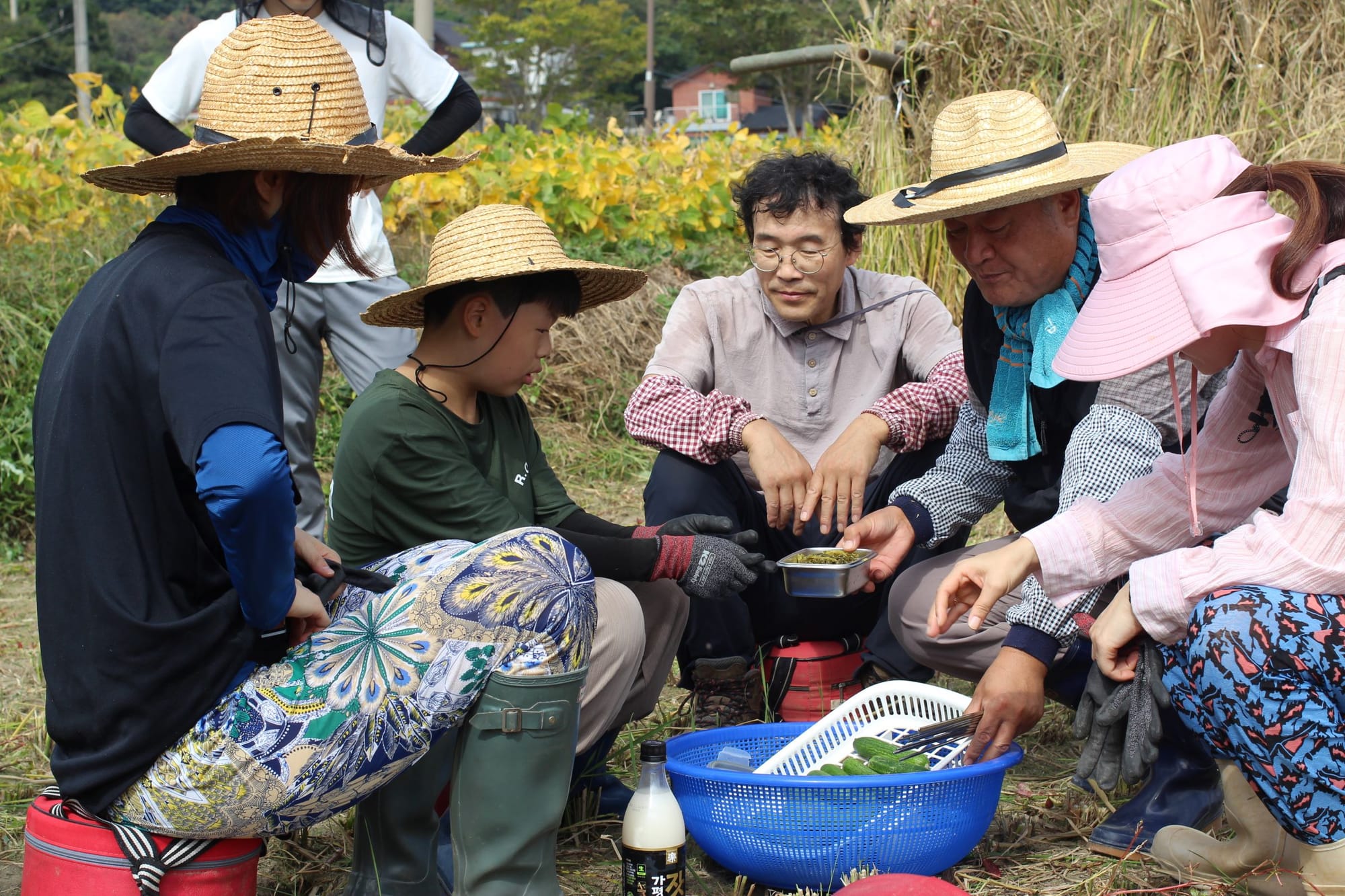
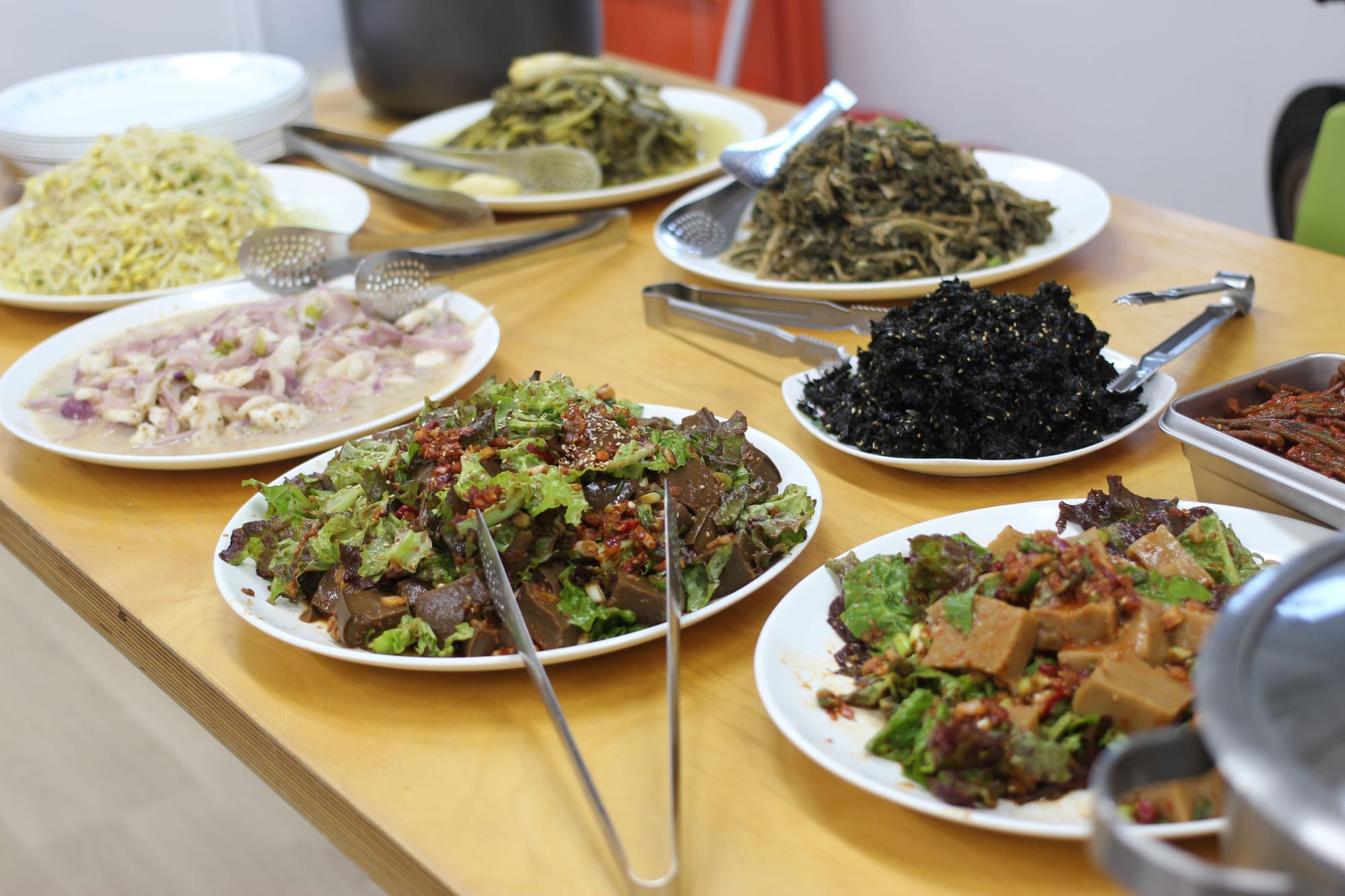
Our lunch was, as it is every week, an array of several delicious dishes made by cohort member 고경애 (Ko Kyoung-Ae). This time, our meal included curry, bean sprouts, and green radish leaf kimchi.
Ko has her own field on Mudeungsan, the area's largest mountain, where she has been farming for the past three years. Before that, she was a weekend farmer on rented property, dreaming of having land of her own.
Now, Ko is learning native cultivation techniques every week. This style is more approachable from a cost perspective, she said, "because I can do everything myself." She doesn't have to buy expensive equipment or even annual seeds. She doesn't live on her farmland yet, but she plans to move to the mountainside next year so she can tend to the land every day.
Before the Gwangju Native Plants School was an Environmental School called 광주전남생태귀농학교 (Gwangju-Jeonnam Return to Farming Environmental School), which Shin ran with a team for two decades starting in the late '90s, when Korea was reeling from the IMF (International Monetary Fund) economic crisis. The school offered city people another way to live. Of the 1,800 students who took classes there over the years, Shin said 300 are now farmers, cultivating chickens, vegetables, and fruit.
One of the students from that school, who goes by Goni, is now part of the Gwangju Native Plants School as well.
Yoon told me he noticed younger people have become more interested in the environment through concern over climate change. This was true for Goni, whose interest in agriculture stemmed from research about the climate crisis, which led him to take a class at the Environmental School in 2010.
By the time we wrapped up for the day, each farming student went home with a full stomach, leftovers from lunch, and 2twokilograms of sweet potatoes we had just harvested.
허윤경 (Heo Yoon Kyeong), who was joining the Gwangju Native Plants School for the first time that week, said she was welcomed by the cohort with warm hearts. She said in Korean that when she arrived, the thought came to her: "Ah, it was a good idea to come."
Sign up here to get Gwangju Midbrow email updates delivered straight to your inbox.