
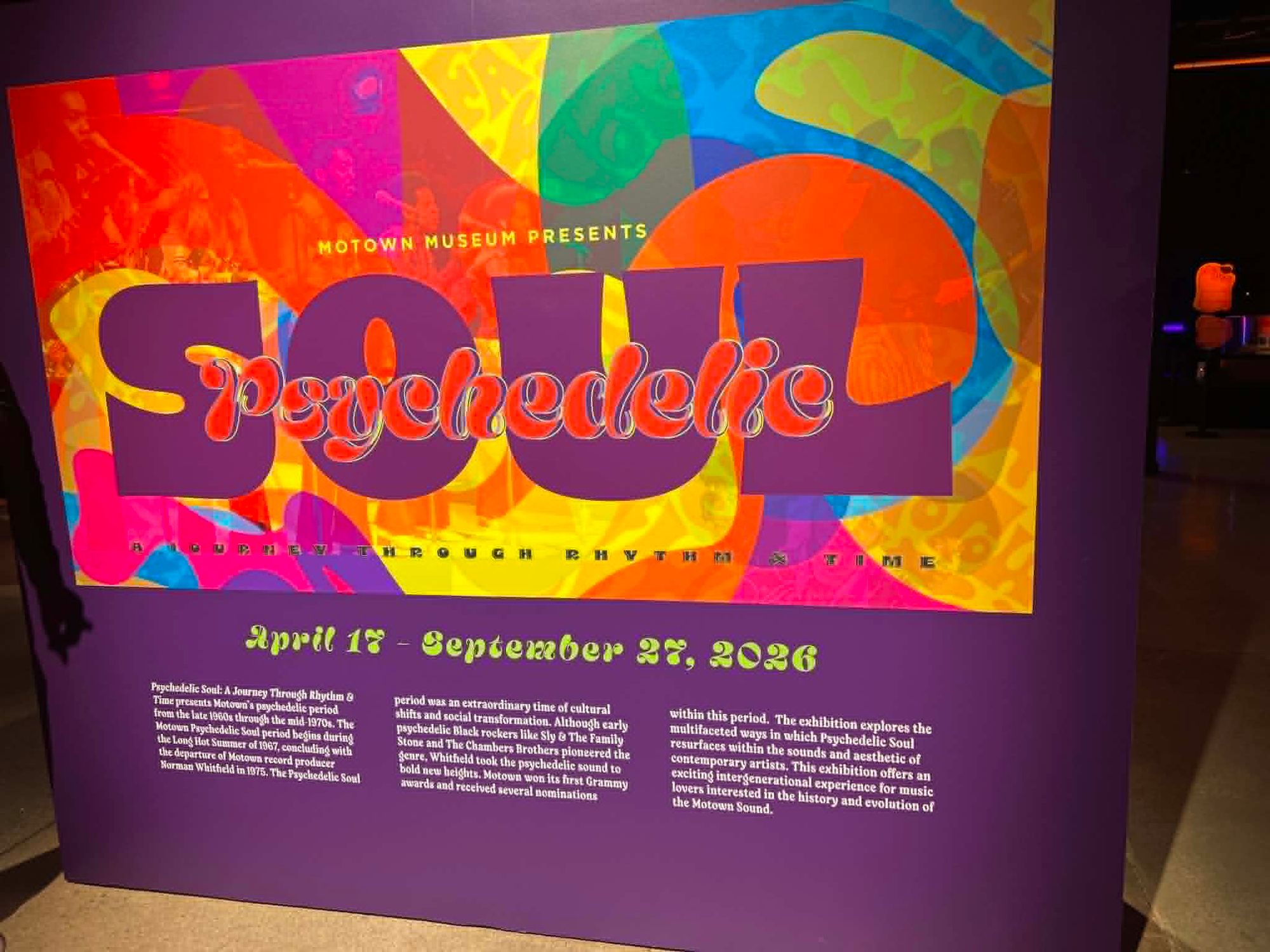
Motown Museum: Psychedelic Soul
Esther Gordy Edwards Centre for Excellence
2550 W. Grand Boulevard, Detroit
Through Sept. 27
The Motown Museum’s latest, pop-up Psychedelic Soul exhibit is examining the funkier side of Motown Records. The main Hitsville USA museum – located in the original Motown Records studio – is under renovation until next spring, so Psychedelic Soul is partially filling in the gap at their Esther Gordy Edwards Centre for Excellence space a few blocks down the road.
Like the traditional Motown Museum experience, the Psychedelic Soul exhibit is a one-hour guided tour opening with a 15-minute video overview of the history of the record company with an added bit about the psychedelic period. From there, a tour guide takes you around a sprawling open space with colorful, neon stops that highlight the artists, style, fashion and more that defined their period from 1967-75.
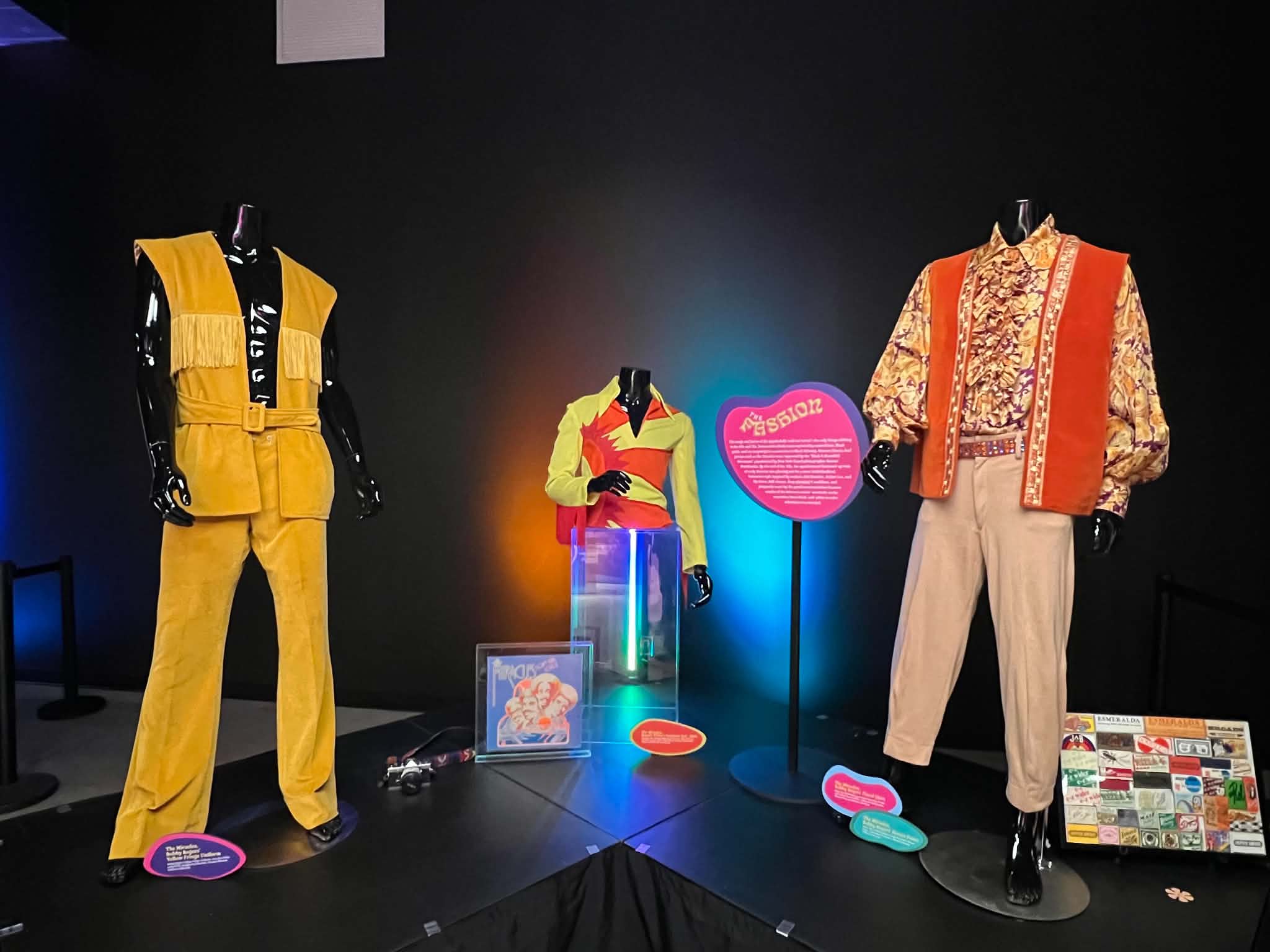
We learned Psychedelic Soul was influenced by Jimi Hendrix-style Psychedelic Rock. Motown added its soulful touch to the style but also transitioned away from the sweet love songs of their early years to take on more cultural and political subject matters that defined the 1960s and 70s. The exhibit highlighted the genre’s influence on later music, including the neo-soul style, like that of Erykah Badu.
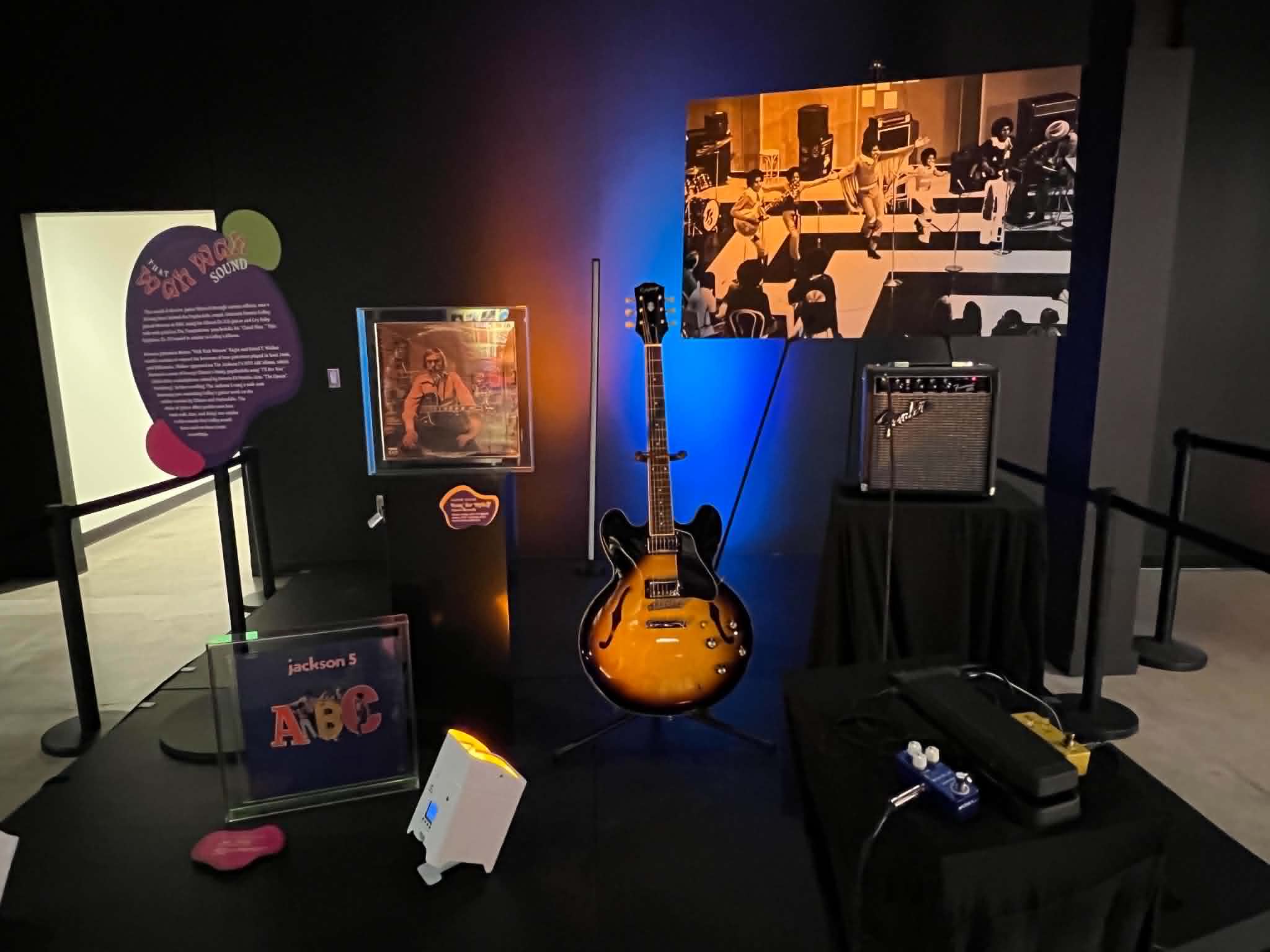
My favorite portion of the tour was learning the ways they created the unique sounds of psychedelic soul and how it evolved from the earlier days of Motown Records. We learned Stevie Wonder was a pioneer of the style, using a homemade synthesizer called The Original New Timbral Orchestra, which our guide described as being similar to a mid-century telephone switchboard. He described how Wonder used a monophonic synthesizer to bounce from one note to the next, resulting in sounds heard in the opening of “Higher Ground.”
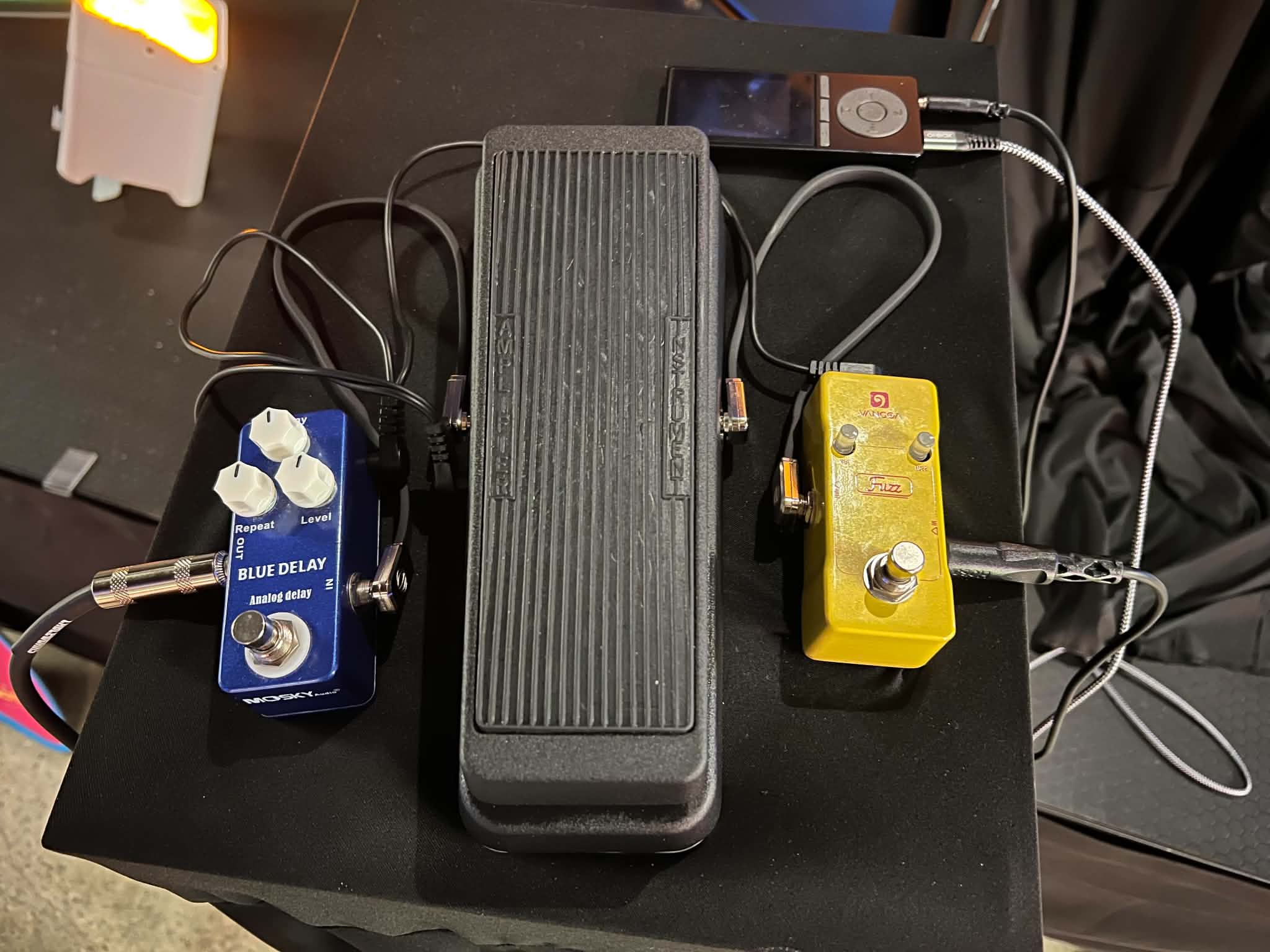
We got to play with the music ourselves, altering the Temptations’ “My Girl” through delayed, distorted and “wah-wah” pedals that filtered the electric guitar sounds. The distorted pedal gave the song a “dirtier” rock sound, while the delayed pedal added layers to the music. The onomatopoeic “wah-wah” pedal was the most fun, adding the distinct psychedelic effect to the music.
I always tell people the Motown Museum is the most fun museum in the city, and those who love the museum and music history in general will enjoy this temporary fix until the main portion reopens. Visitors can still enjoy a general overview of the company – including learning its origin story and its unique quality control process. But it’s an opportunity to explore a niche part of Motown’s history defined by cultural influences and sound experimentation.


