
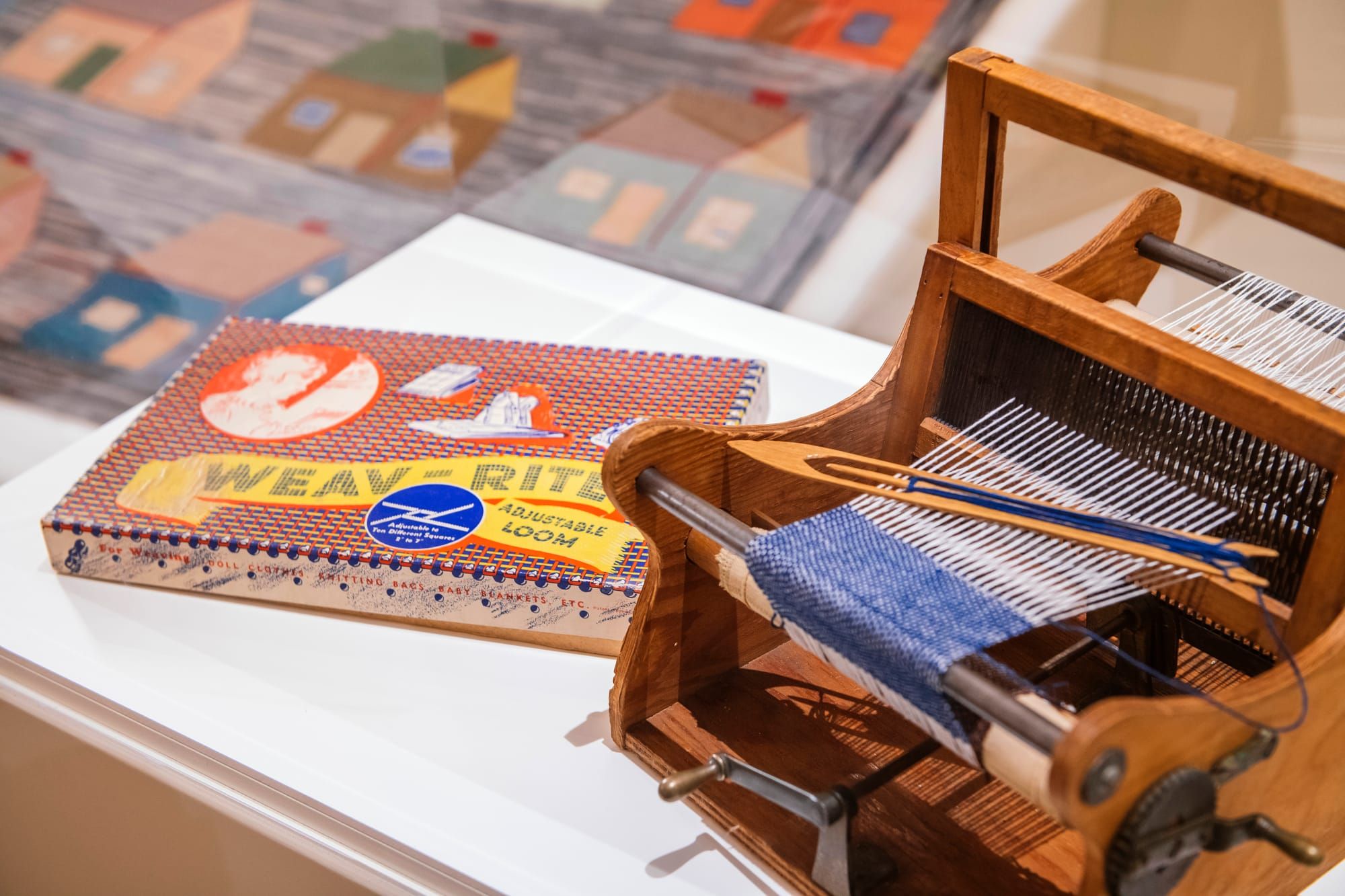
Handmade: The Crafting of America
Henry Ford Museum of American Innovation
20900 Oakwood Blvd.
Dearborn
June 8, 2026
The tiny details. The imperfections of something made by hand from scratch. The warmth that emanates from each object, knowing that it’s human.
That’s not the main selling point of “Handmade: The Crafting of America,” but it’s certainly what you’ll walk away feeling, especially in an era where we’re wondering what’s real or made by a real live human these days versus a computer. After all, there’s no such thing as “handmade craft slop.”
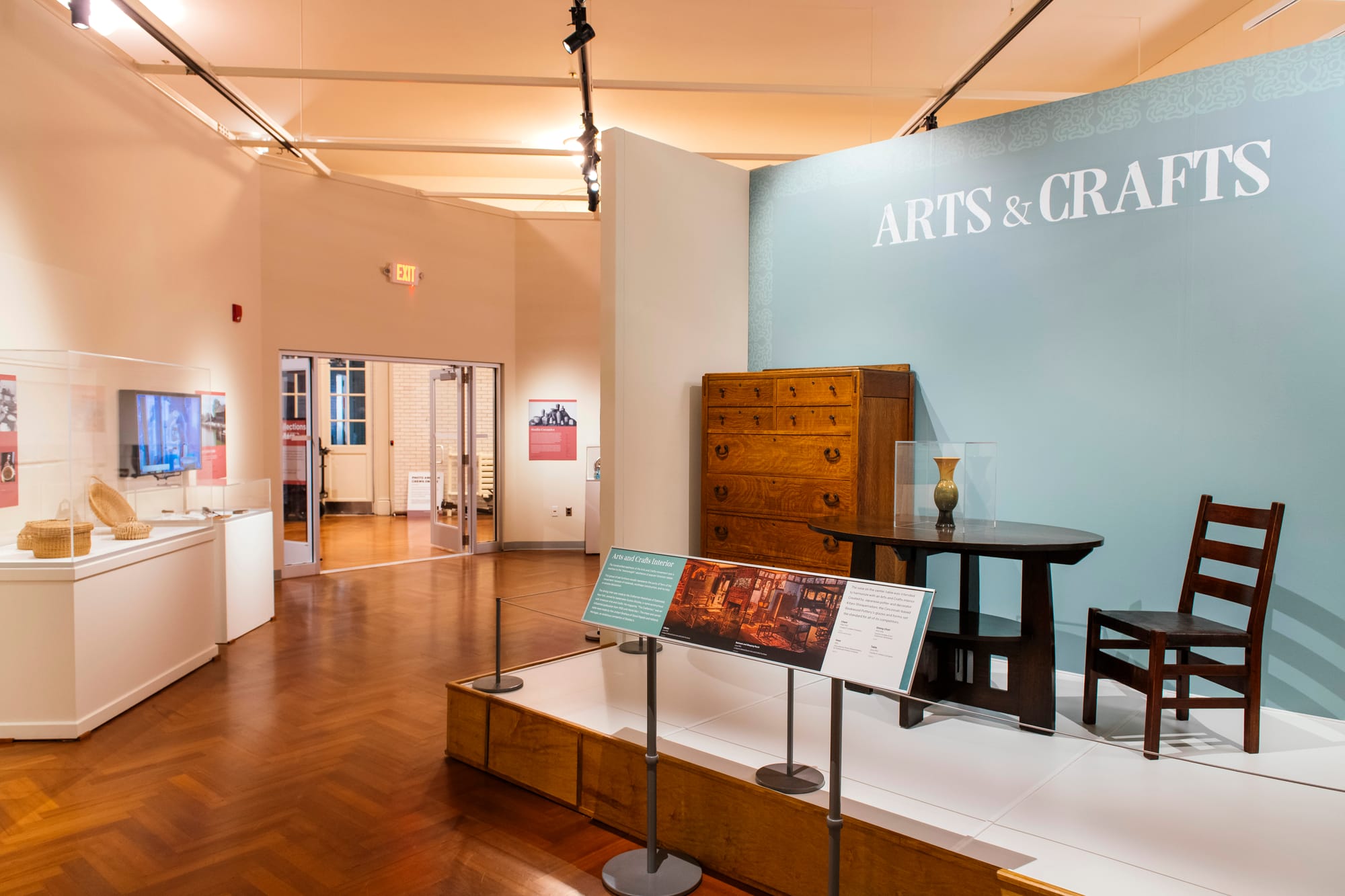
“Handmade” is a small but mighty exhibition that’s now on display through January 2027 in the Collections Gallery of the Henry Ford Museum of American Innovation.
Considering the billboards and marketing effort behind it, I figured it would be a larger part of the already jam-packed American history of the Henry Ford, but you can breeze through this thing in about 45 minutes (and that’s if you read everything, which you should).
That’s truly not a knock; this is efficient museum exhibition design at its finest.
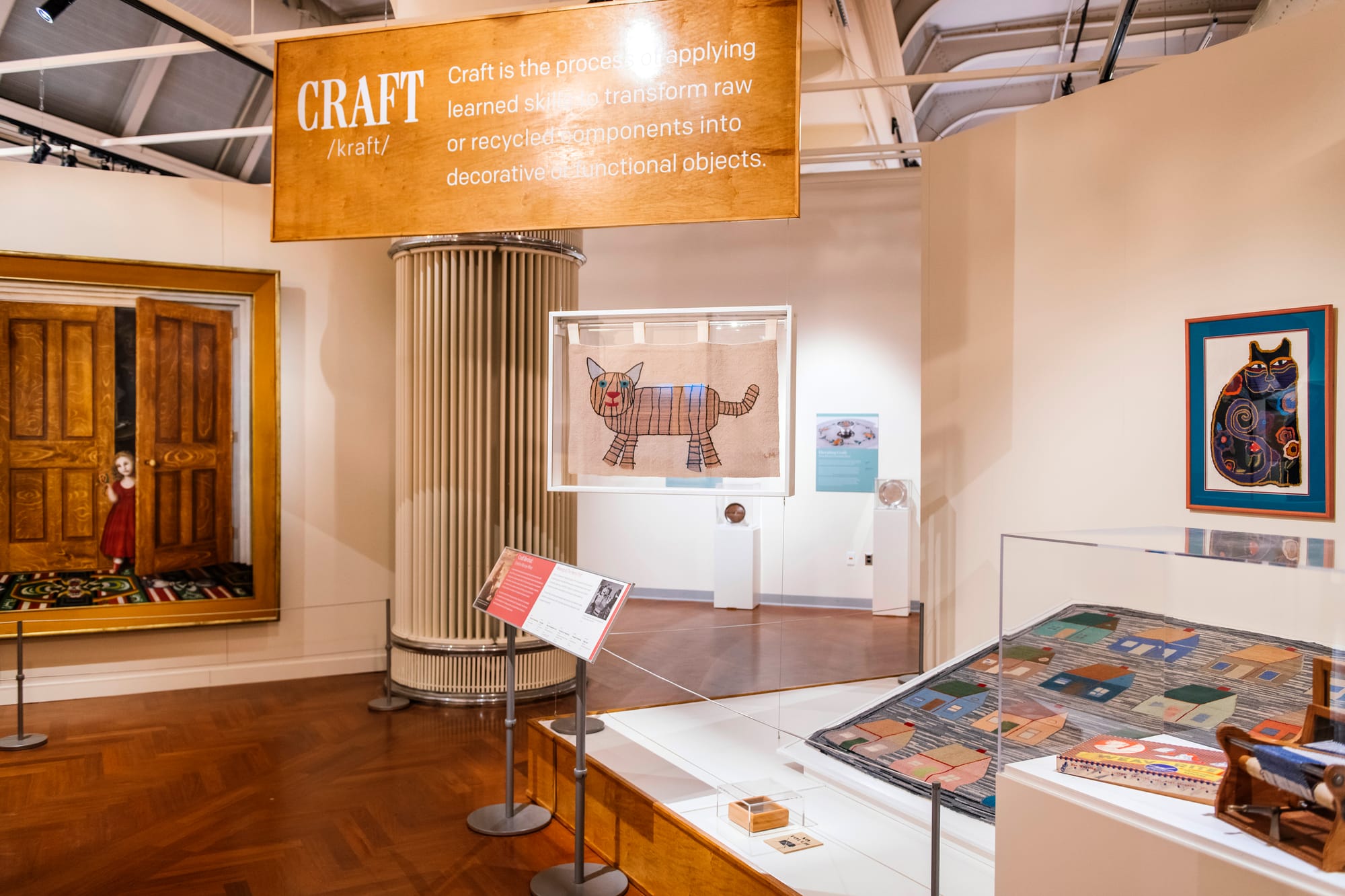
It’s broken into four main sections, showing the evolution of handmade objects and craftsmanship through different eras: folk art and craft (cultural identity and individual drive play big roles here); the Shakers (the 19th century religious group who turned praying into work and had immaculate taste for aesthetically pleasing design); the arts and crafts movement (well known here in Detroit with Pewabic Pottery being a foundational institution from this era that’s still around today); and modern craft in the 20th and 21st centuries (the best look at where we’re heading).
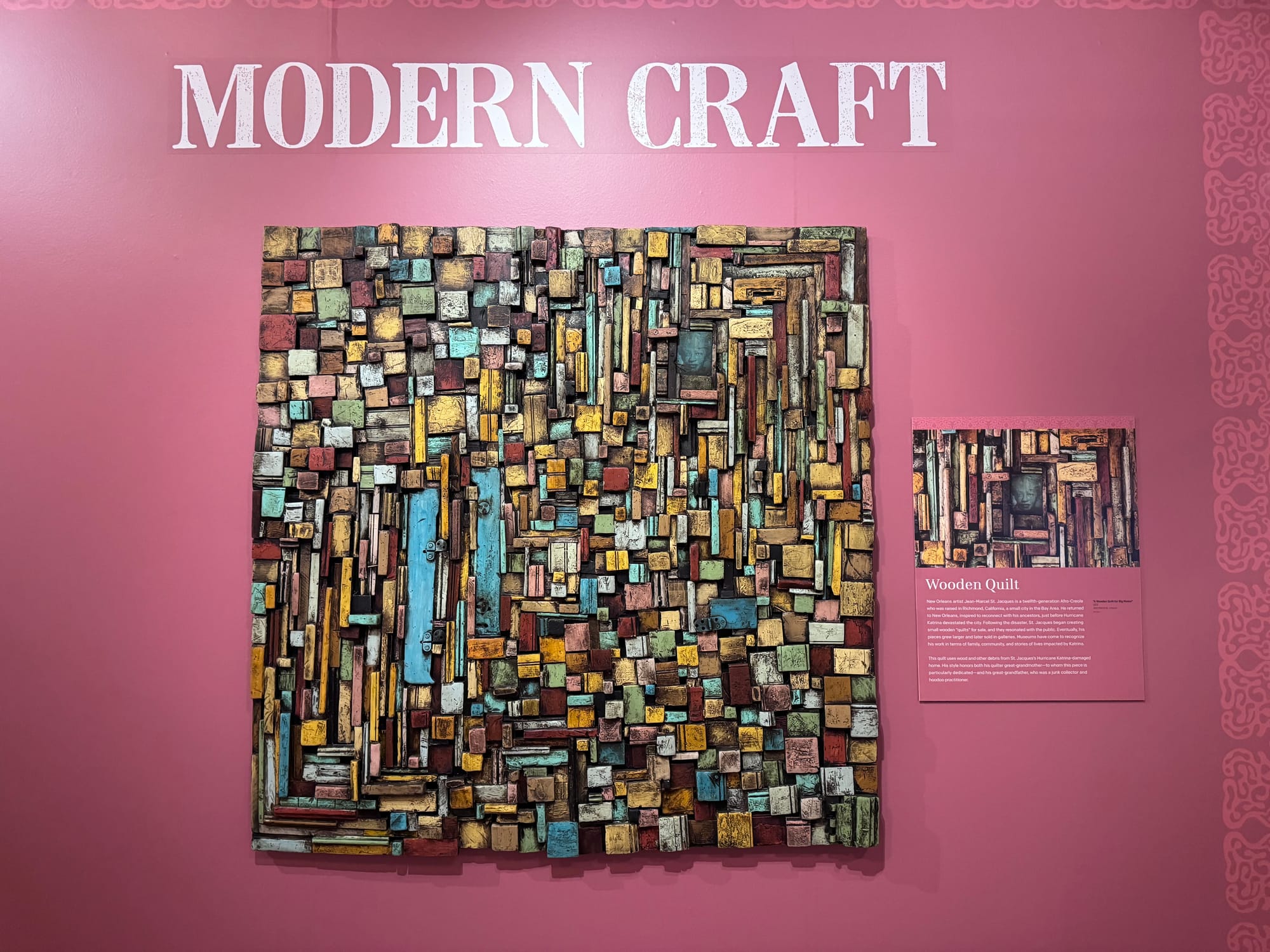
It’s in this modern craft section that I came across New Orleans artist Jean-Marcel St. Jacques and his “Wooden Quilt for Big Mama,” one of the most stunning works I’ve seen in a museum in quite some time. St. Jacques brings together all elements of the previous section into this colorful work that’s rich with patina, character and backstory.
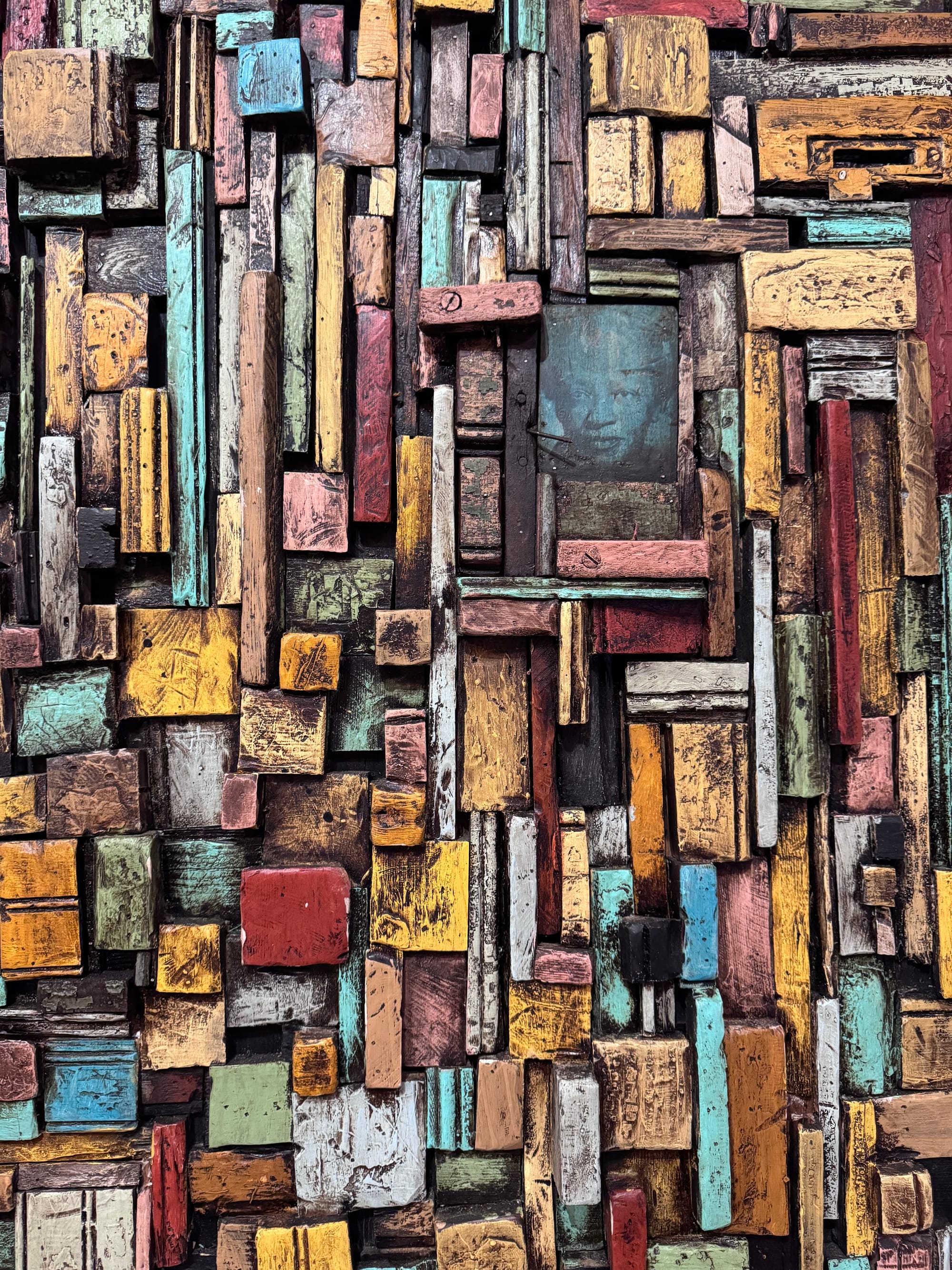
After living in California for years, St. Jacques returned to New Orleans to reconnect with his ancestors (St. Jacques is twelfth-generation Afro-Creole). Following the disaster of Hurricane Katrina, St. Jacques started making these wooden quilts, slowly growing them over the years before they went from a community token into prized pieces displayed in museums like this.
It’s an absorbing final piece to see before you wrap up in “Handmade,” which might be a quick walkthrough for some, but is definitely worth your time.


