
Baroque Art Tour
Wadsworth Atheneum
Hartford
Aug. 19, 2026
A group of art enthusiasts attended the Wadsworth Atheneum’s Baroque Art tour Wednesday afternoon. The tour focused on the art style that dominated the European painting establishment from the late 16th through the mid-17th centuries.
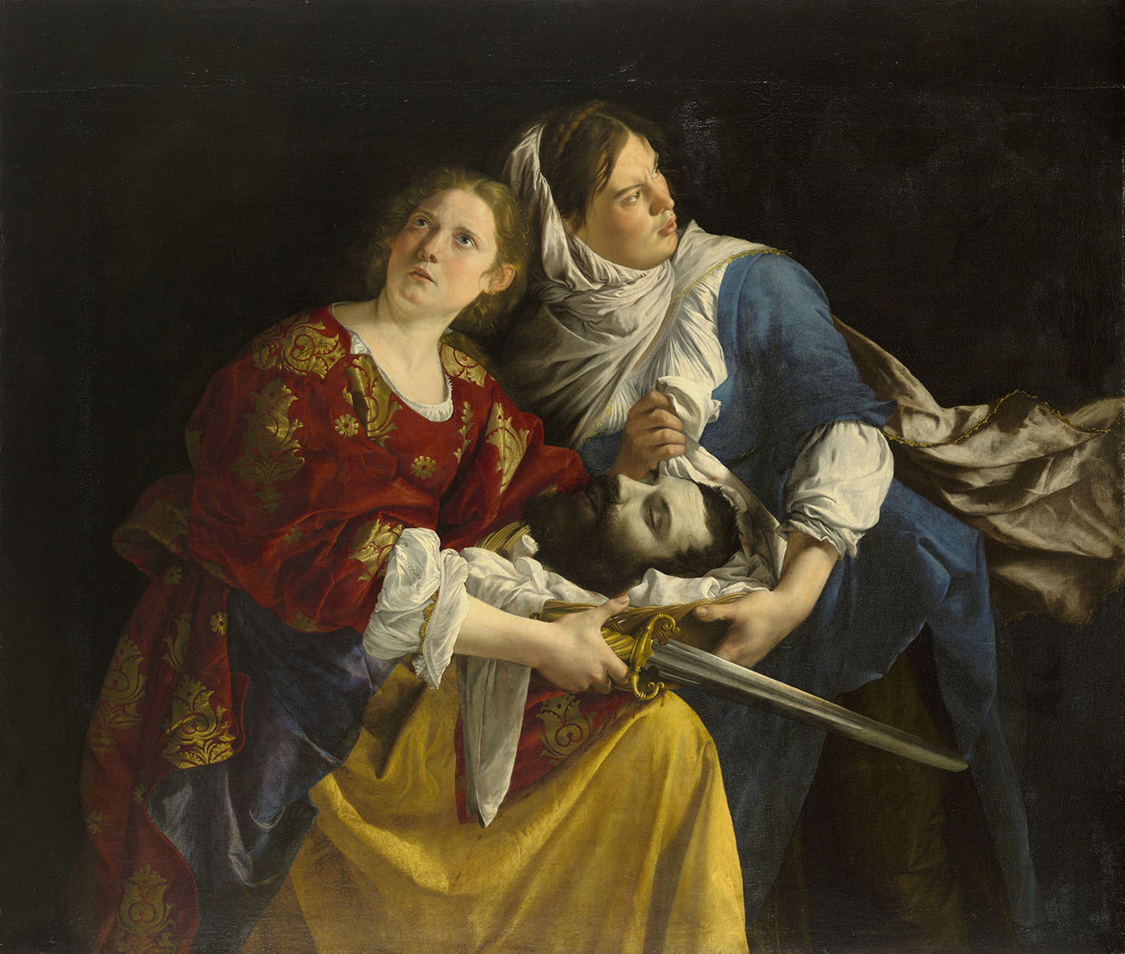
Docents Beth and Jeremy guided our group through the atheneum, showcasing the extensive collection of Baroque paintings that the Atheneum houses. The duo credited the collection to the efforts of Arthur Everett "Chick" Austin Jr., the atheneum’s director from 1927 through 1944. Austin made a point to acquire Baroque works, and made the Wadsworth the first public gallery to display a painting by Caravaggio, an influential Baroque-era painter, in the United States.
The docents explained that Baroque paintings are characterized by five key elements:
- Dramatic light.
- Intense emotion.
- The sense of capturing a moment in time.
- Grandeur and scale.
- Exquisite realism.
Even with the primer, it wasn’t entirely clear what those descriptors meant out of context for me. Thankfully, Beth and Jeremy explained, comparing and contrasting two versions of The Annunciation to highlight the changes Baroque-style brought to European art.
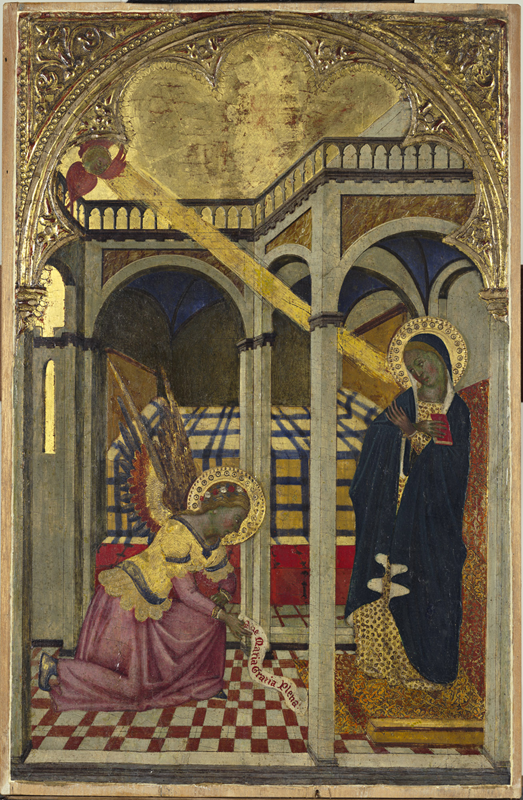
Above is The Annunciation by Niccolò di Buonaccorso, painted in the late 14th century. The Renaissance swept across Europe in the decades that followed, dramatically affecting art and scientific understanding. One of the results was that 250 years later, artistic depictions of the same important religious moments looked quite different.
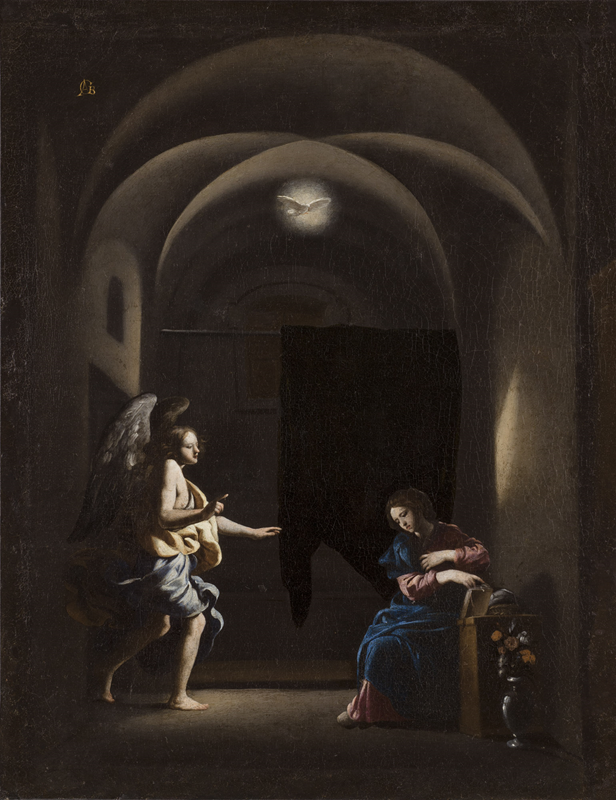
Giovanni Battista Caracciolo’s take on The Annunciation is such a departure from the pre-Renaissance depiction that one could be forgiven for not recognizing it as the same scene. The golden aura of Gabriel’s announcement is gone, replaced by shadow and darkness. Flat and idealized human forms now take on depth and weight, their faces portraying genuine emotion. Light is as important as it was in the earlier piece, but it’s used more sparingly. Beth called this “ethereal lighting”, where it looks like the angel and the dove are the lighting sources themselves.
The change is almost overwhelming. All the paintings in the Wadsworth’s Baroque gallery featured the same inky darkness in the backdrop, and the same almost heavenly lighting. The docents said this effect is called charioscuro, the contrast between light and dark.
I love Baroque artwork because of the moodiness the black backgrounds convey. I don’t think I’ve regarded black as a color very often – it’s the color of electronics I guess. But seeing it as the prominent feature of so many different works cast black in a different light (no pun intended). It isolates the subject of the painting. The viewer’s full attention is on the detail used on the subject’s face, their body’s positioning, the intricacies of the clothing. The observer brings the artwork to life as much as the artist, with their imagination and focus assaulted by dizzying backgrounds competing with the foreground.
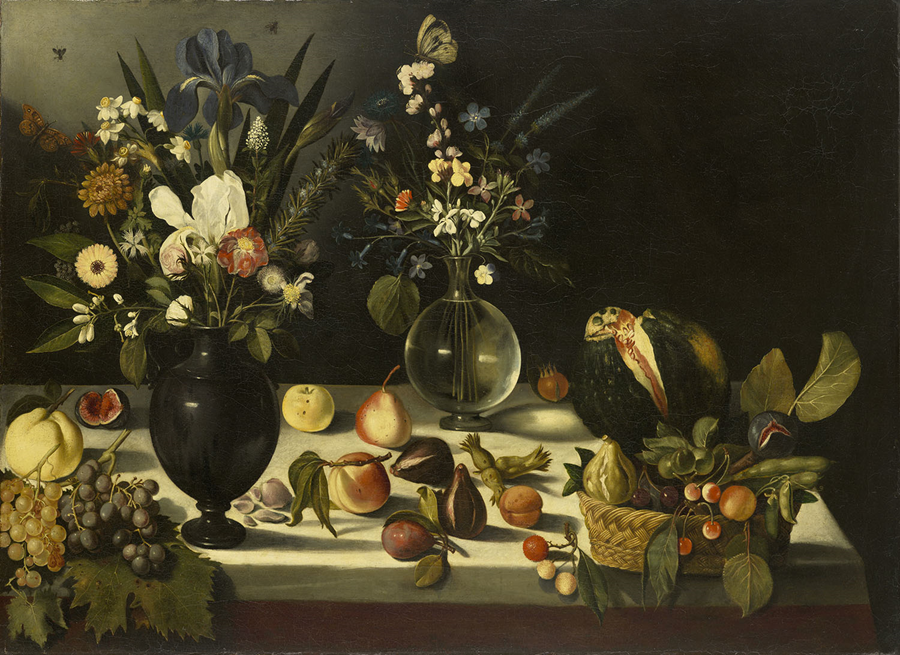
I’ve always liked still life for its artistic expression and its unique method of conveying the memento mori ethos. Placing that style into a Baroque context is a match made in heaven as far as I’m concerned. Still Life With Flowers and Fruit is unattributed, except that the painter was a follower of the aforementioned Caravaggio.
The use of shadow and black, fading from light and life on the left of the painting, where ripe fruit and even flies can be seen, to darkness and death on the right with wilted leaves and pitch blackness beyond is just…wow. It was my favorite painting in a gallery that featured some really terrific work.
Thanks to Beth and Jeremy for helping me to understand the art form. It’s great to learn more about the things you already liked.
NEXT
Jamil checks out a youth-focused open mic.


