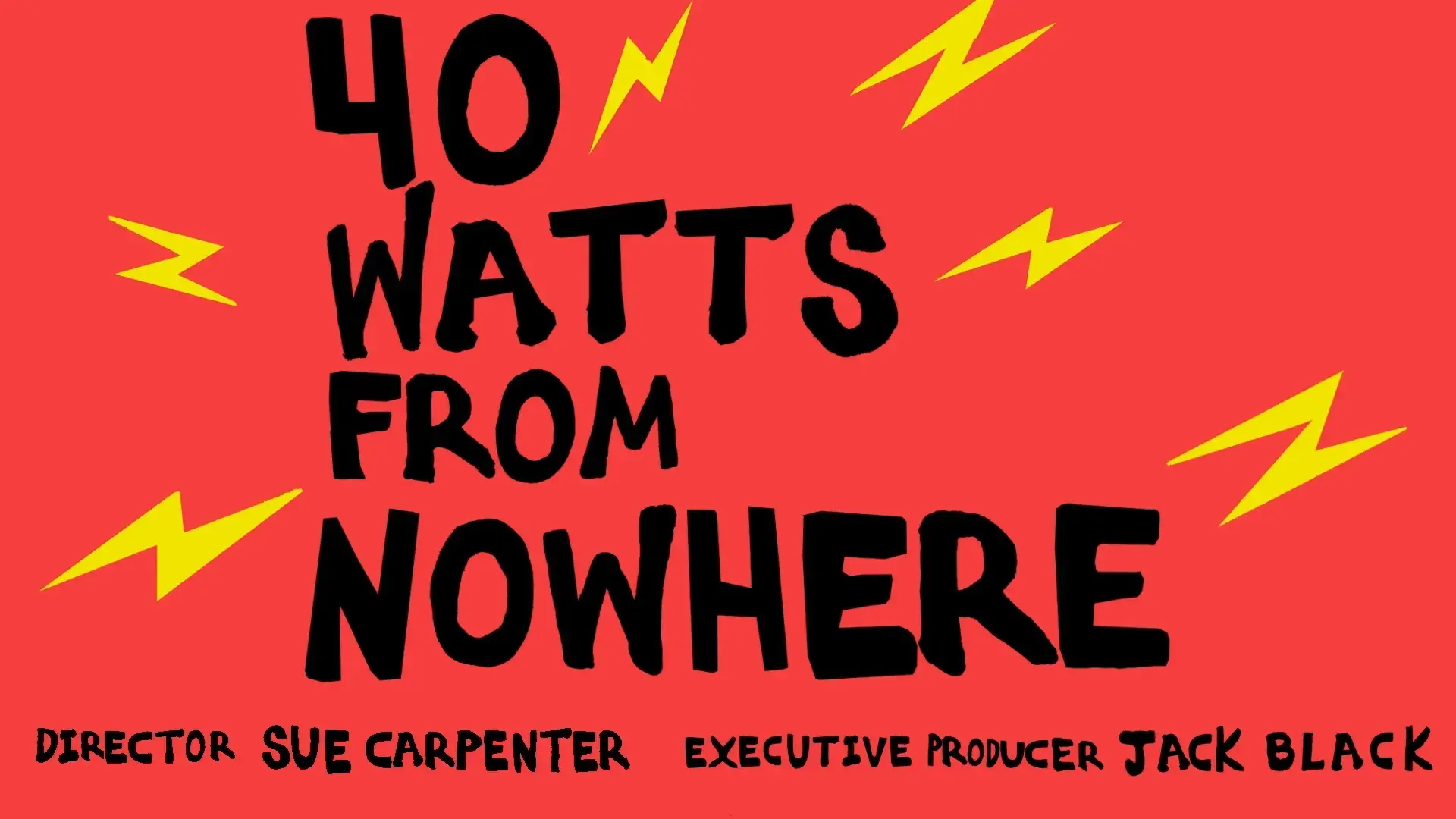
40 Watts from Nowhere
PhilaMoca
531 N 12th St.
Philadelphia
Sept. 2, 2026
On Feb. 8, 1996, President Bill Clinton signed the Telecommunications Act of 1996, a sweeping piece of legislation that restructured radio as we know it. By removing the restriction on the number of radio stations that can be owned by a single private entity, the act opened the door for corporate monopolization of the airwaves. At smaller stations nationwide, commercial radio playlists became stricter and the music began to reflect corporate mandates rather than local tastes. Today, we live in a world that the Telecommunications Act has wrought. Mainstream popular music is as uninspired and homogenized as it’s ever been and commercial terrestrial radio is a shell of its former self.
40 Watts From Nowhere is a 2025 documentary on KBLT, a small pirate radio station founded in Los Angeles’ Silverlake neighborhood in 1995. I caught a screening of that film at PhilaMOCA last night. The doc follows Sue Carpenter, an aspiring radio DJ who founded and operated KBLT out of her small one-bedroom apartment. Vibrant, brassy and playful, the documentary combines new interviews with a treasure trove of footage shot during the station's brief three year run. In addition to the colorful cast of friends and community members that shared hosting duties with Carpenter, punk rock royalty like Keith Morris (Black Flag/Circle Jerks), Don Bolles (The Germs) and Mike Watt (Minutemen) all hosted shows on the station. Playing everything from indie rock and punk to classical, French pop, psychedelia, soul and drum & bass, KBLT captured the kind of lawless eclecticism that defined underground music in the mid ‘90s.
As word spread about KBLT’s daring, freeform approach to radio, the station’s reputation grew. By 1998, popular alternative bands like The Jesus and Mary Chain, Spiritualized and The Dandy Warhols were stopping by to be interviewed in Carpenter’s small apartment studio. That year, The Red Hot Chili Peppers even stopped in to play an impromptu acoustic set. With this increased attention came the ever-present threat that the station would be shut down by the FCC. The film does a great job of contextualizing all of the fun of running a pirate radio station against the backdrop of the intense legal battles around radio accessibility at the time. Once the FCC finally caught up to Carpenter and shut the station down, KBLT became a legend in the broader story of American underground music. While many of the subjects in the film agreed that KBLT would be impossible to recreate, the film does offer a slight glimpse of what could be. While radio has been supplanted by streaming services and algorithms, people can still forge unbreakable bonds and nurture community around music. The lesson to be found in 40 Watts is that if we lock in and connect around our shared passions, we can steal back a bit of the magic that corporations and The State have stolen from us.
40 Watts from Nowhere
A new documentary screened this week by PhilaMOCA shows how a pirate radio station championed underground music before the medium was supplanted by streaming services.
·
2 min read