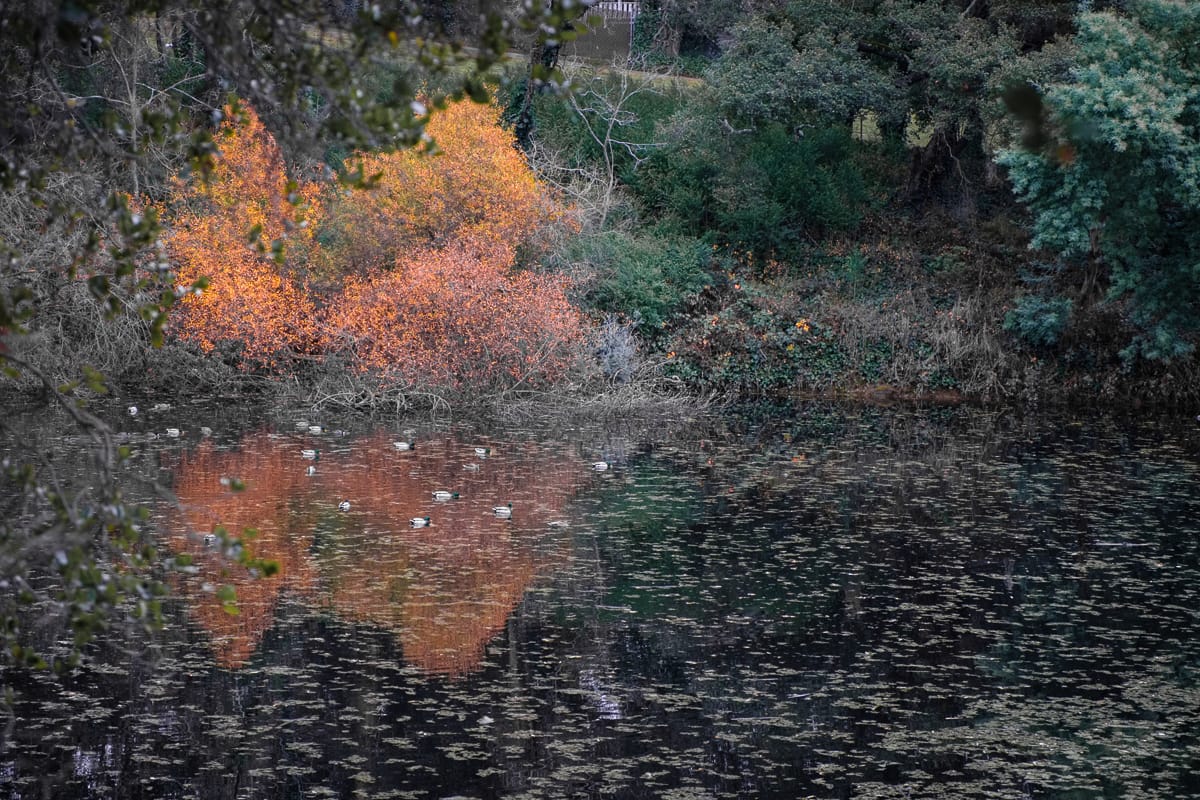
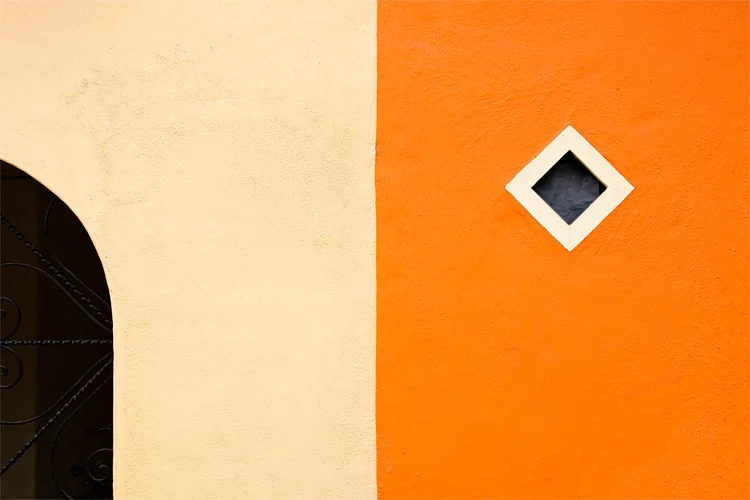
“Orange Crush”
Gray Loft Gallery
2889 Ford Street #32
Oakland
Through May 9, 2026
Closing reception: Saturday, May 9, 4 - 7 p.m.
Wassily Kandinsky once wrote, “Orange is like a man, convinced of his own powers.” The Belle Époque-era Russian artist made a prescient observation given the times we’re currently living in. I mean, it’s difficult not to associate orange with hubris, vulgarity, and baseness these days. But orange needn’t be sullied by the depressing spirit of our age; it’s a color that possesses its own beauty. Gray Loft Gallery’s current show, “Orange Crush,” restores orange to its rightfully dignified place in the spectrum through photographs by 80 different artists.
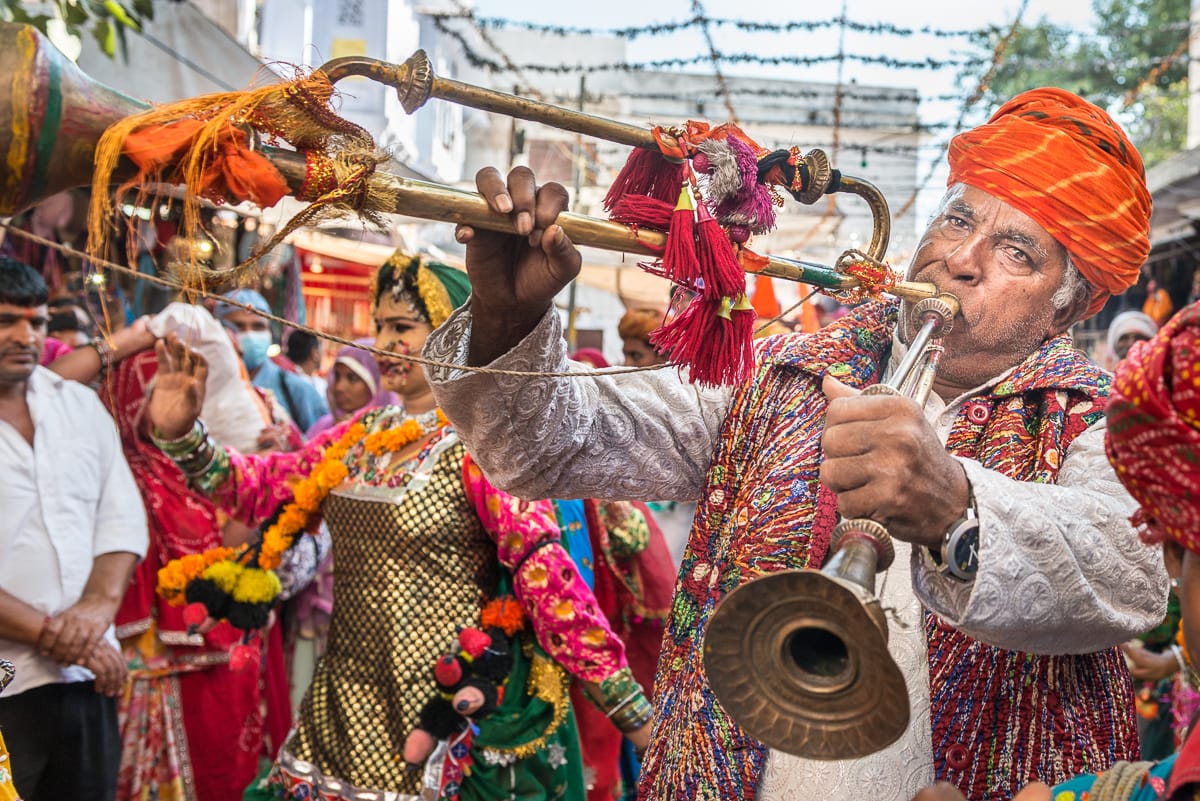
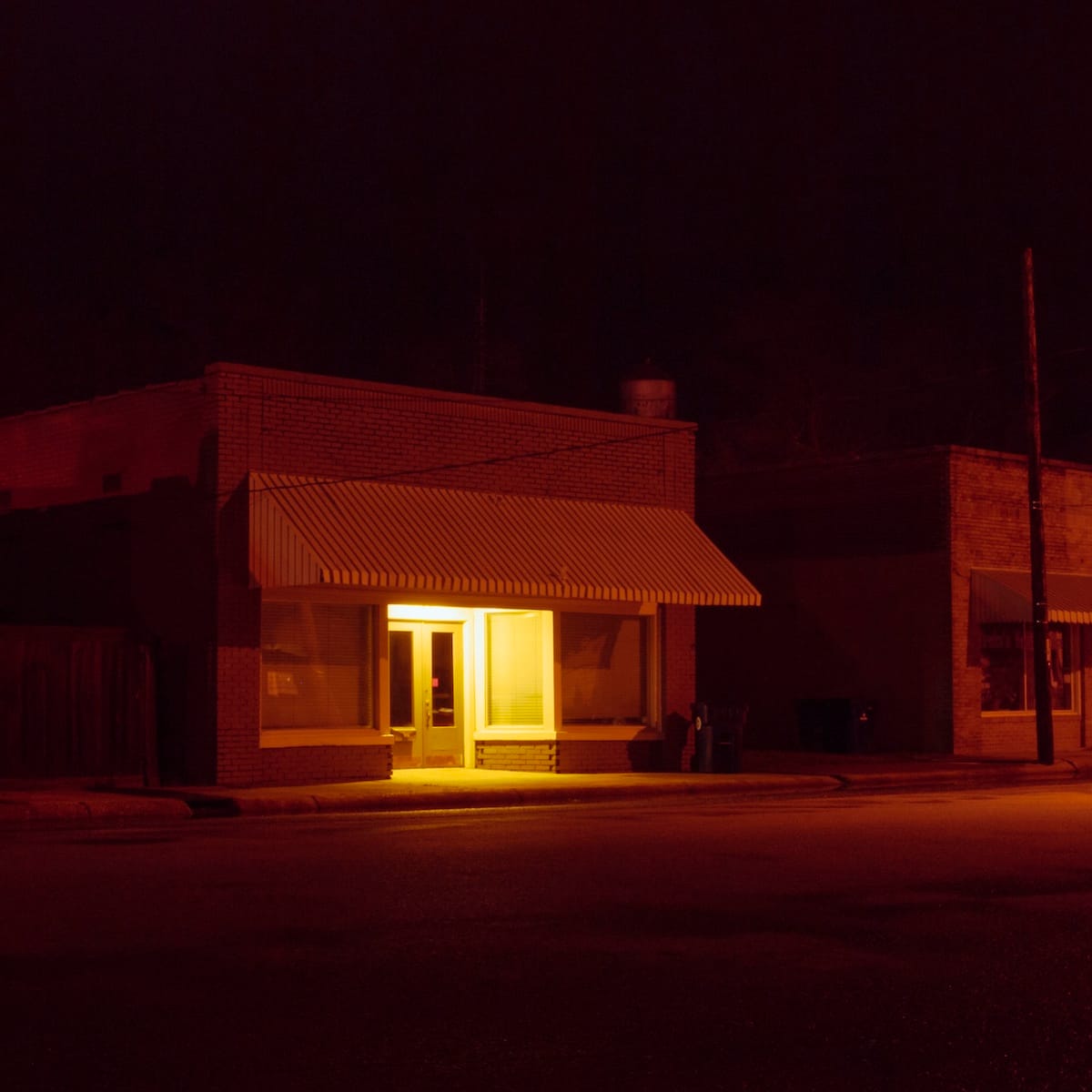
The eighth installment of the gallery’s annual color-themed, juried photography exhibition—which in past years has featured red, yellow, blue, green, gray, pink, and purple—is an eyeball-dazzle. Hung salon-style, the fourscore works on display approach the color orange in surprisingly different ways: some with serious gravitas, some playfully whimsical, still others with irreverent cleverness.
I arrived at Gray Loft’s airy, sunlit space on a beautiful warm Saturday afternoon. A tasting of Tessier Winery’s orange wine was taking place at the gallery that day in keeping with the color theme. I was offered a sample of an orange Chardonnay: a pale, cloudy, golden-hued libation. Not exactly my vibe, but it had an interestingly spicy flavor.
What was most immediately apparent to me when I took in the pieces at the gallery all at once is the fact that orange finds its way into our lives in ways we often don’t notice, something I hadn’t really fully considered. The color is exquisitely ubiquitous. Think of vests worn by freeway workers; or traffic cones, jack-o-lanterns, basketballs, autumn leaves, cheddar cheese, etc.
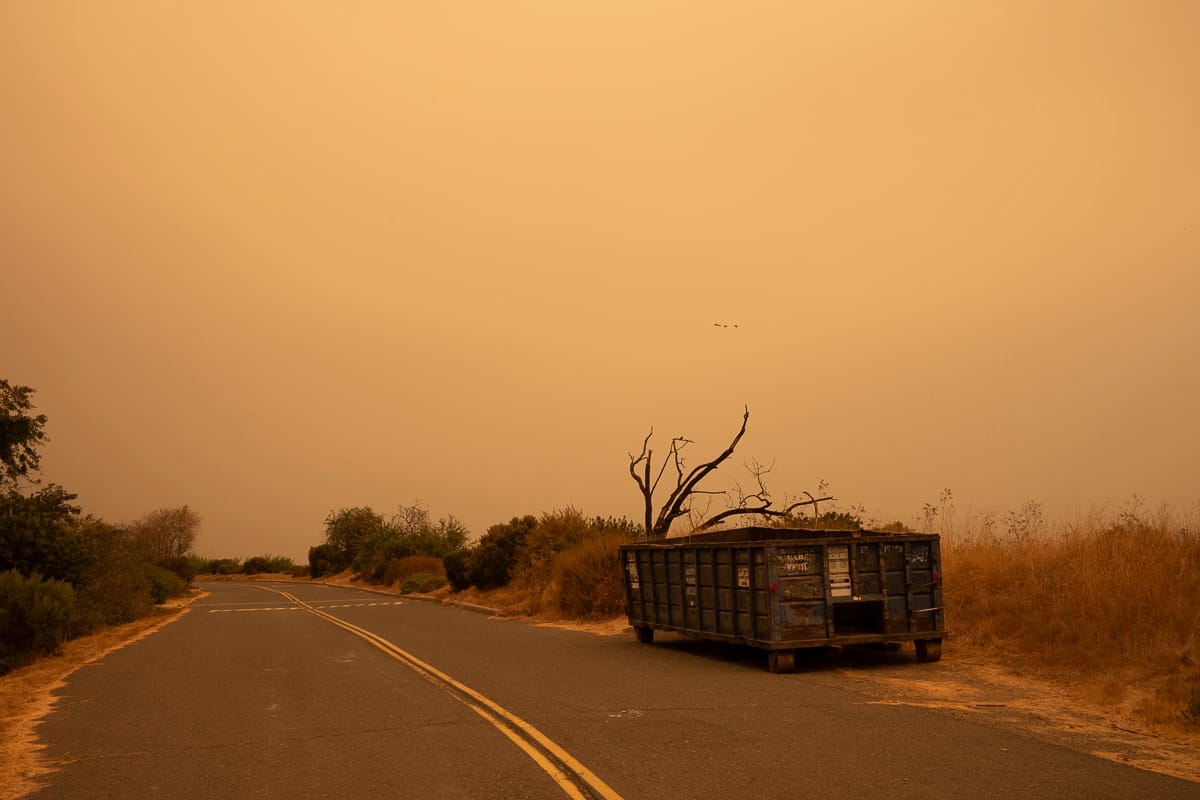
Yet there are times when orange is frighteningly obvious. Arvian Heidir’s piece, “No Sun in Alviso,” captures the day when the entire Bay Area was cast in apocalyptic orange during the wildfires of 2020: a bizarre day when the sky was a frightening saffron color like something out of a science fiction film. Heidir could have portrayed that ominous day like so many others had, but instead used tasteful restraint, even recording a flight of birds that appear as minuscule dots across the orange sky.
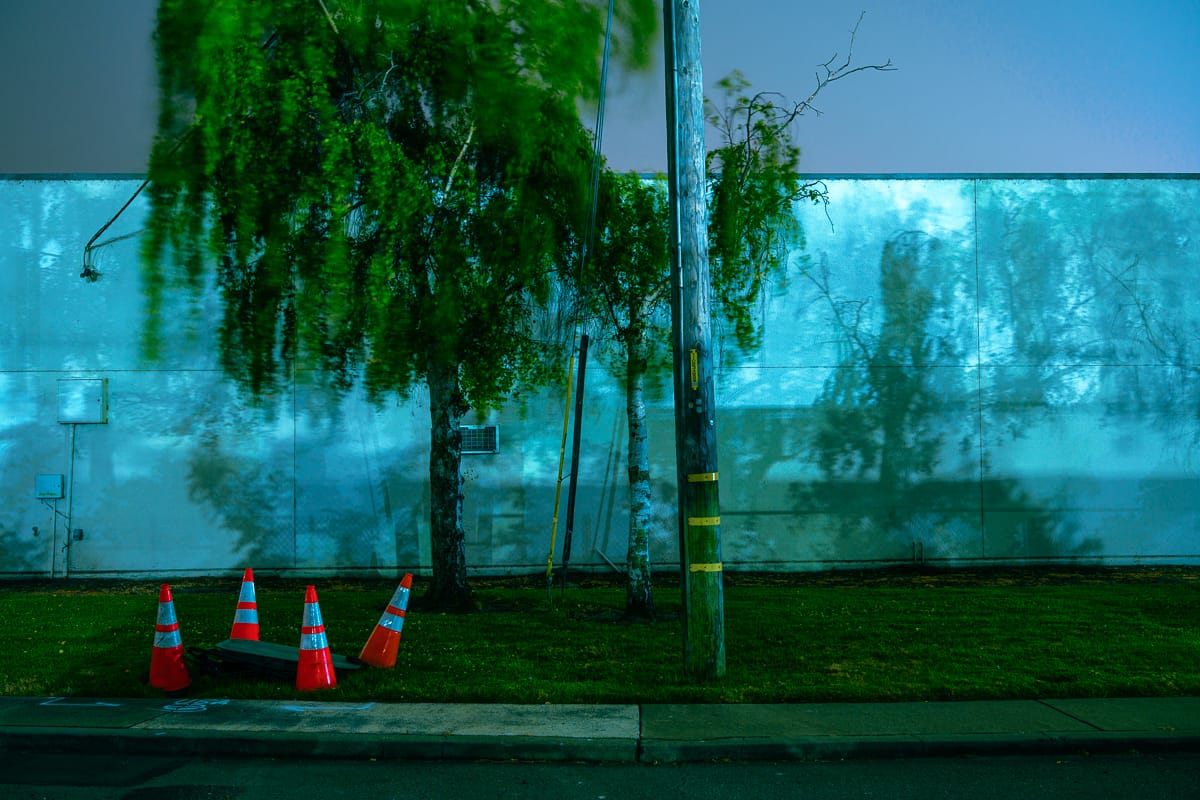
Another photo that resonated with me in its subtle approach to orange was “Blue Ensemble” by Neo Serafimidis. It’s an archival inkjet print in shades of aqua, green, and azure where four traffic cones pop against the composition’s cool background. Besides its still, mysterious beauty, I appreciated its clever, almost subversive approach to representing the color.
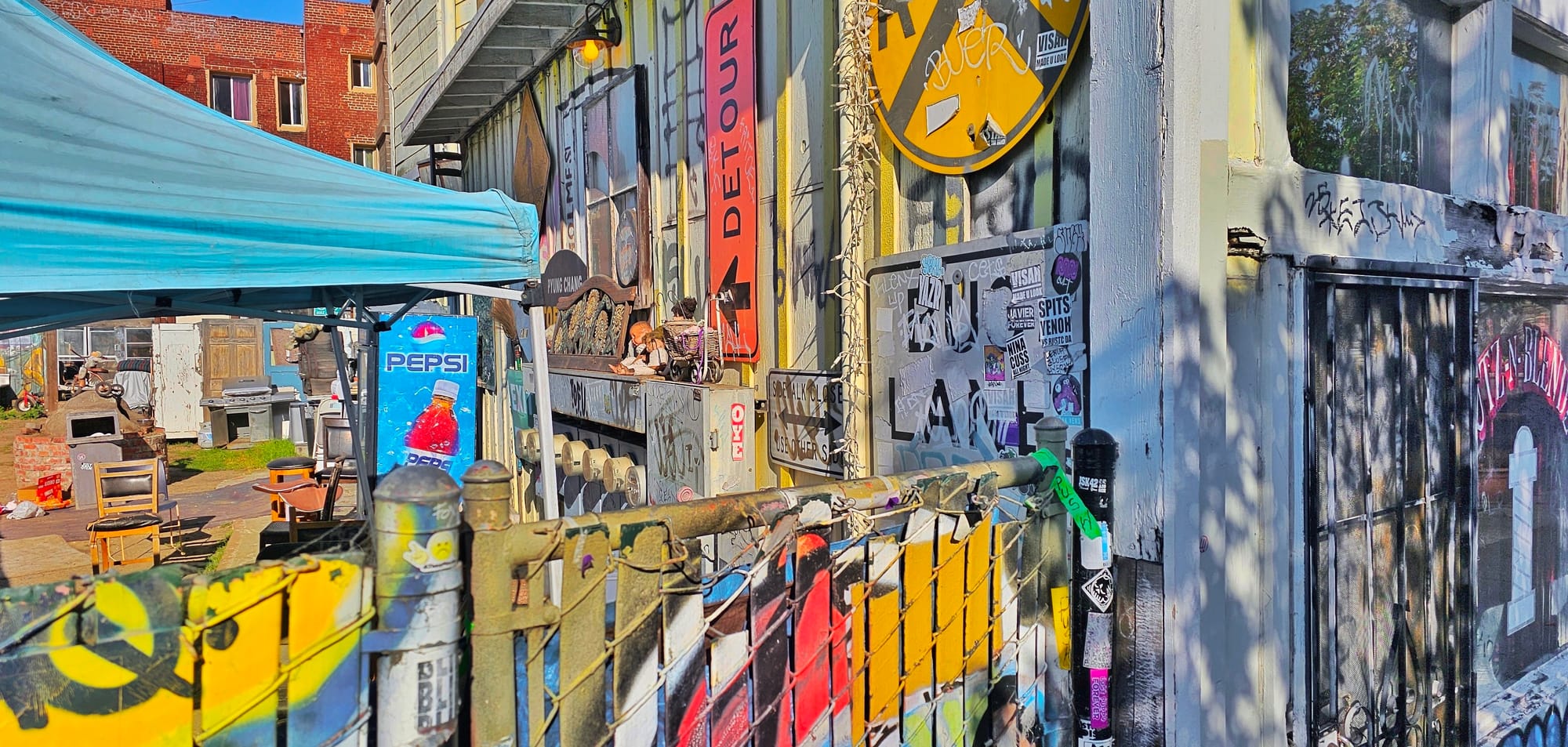
Malcolm Ryder’s “Lincoln” takes a maximalist tack toward orange, rendering the color in a chaotic razzle of street signs, graffitied fences, stickers, and jumbled detritus in what looks like a well-loved junkyard. It’s fantastically full-of-motion while at the same time static and calm. I spent a good deal of time with Ryder’s piece, perhaps my favorite photo in the show.
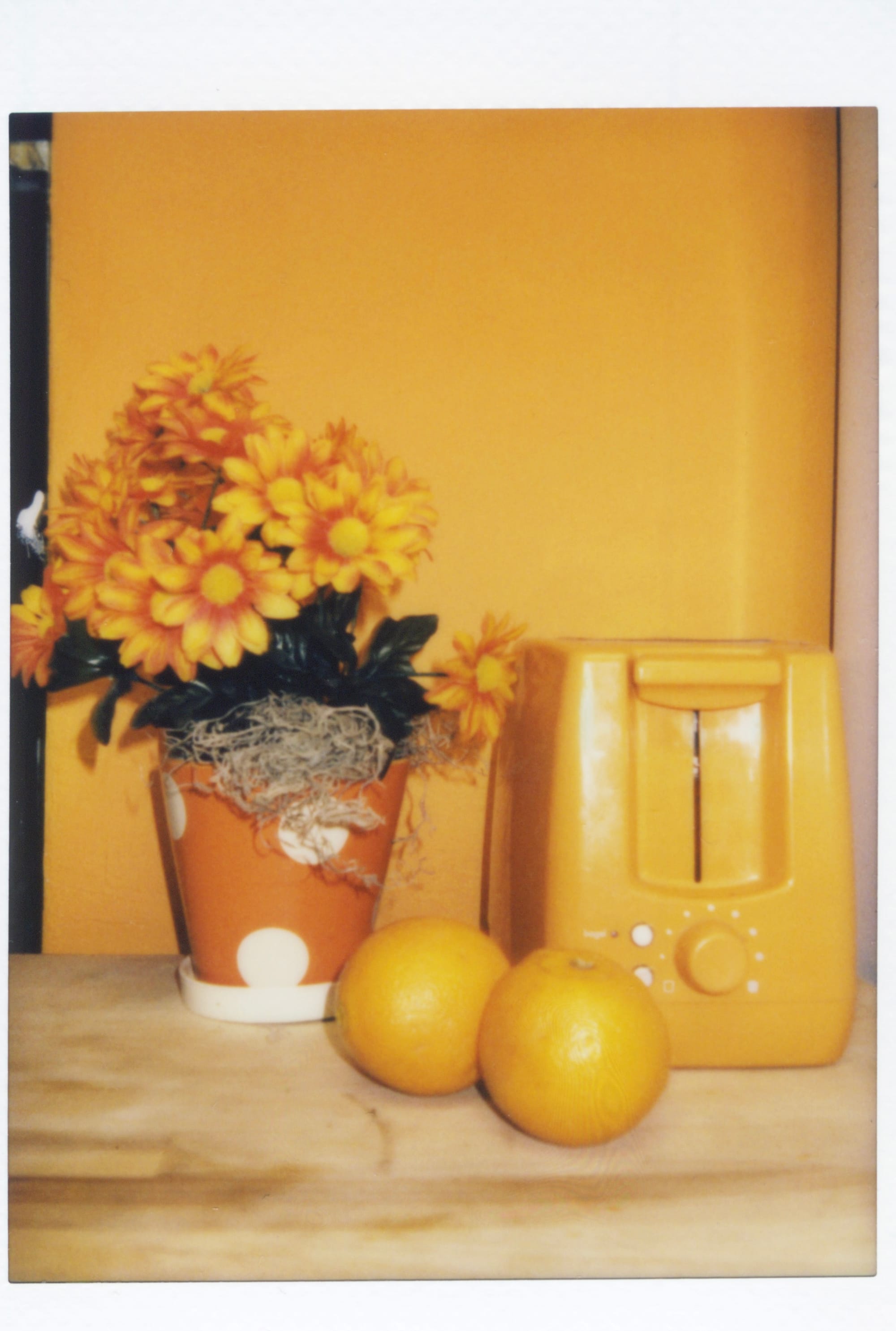
A still-life by Kelly Sullivan, “Orange New Year,” also held my prolonged attention for its humor and nonchalance. A plastic toaster, two oranges, and a flowerpot with artificial orange daisies are photographed together on a wooden counter, out of focus even when one noses up closer to the work. It’s William Eggleston-esque, but also comes across like a bad 1970s Polaroid snapshot. It’s delightfully ordinary and everyday, with a tongue-in-cheek quality that I loved.
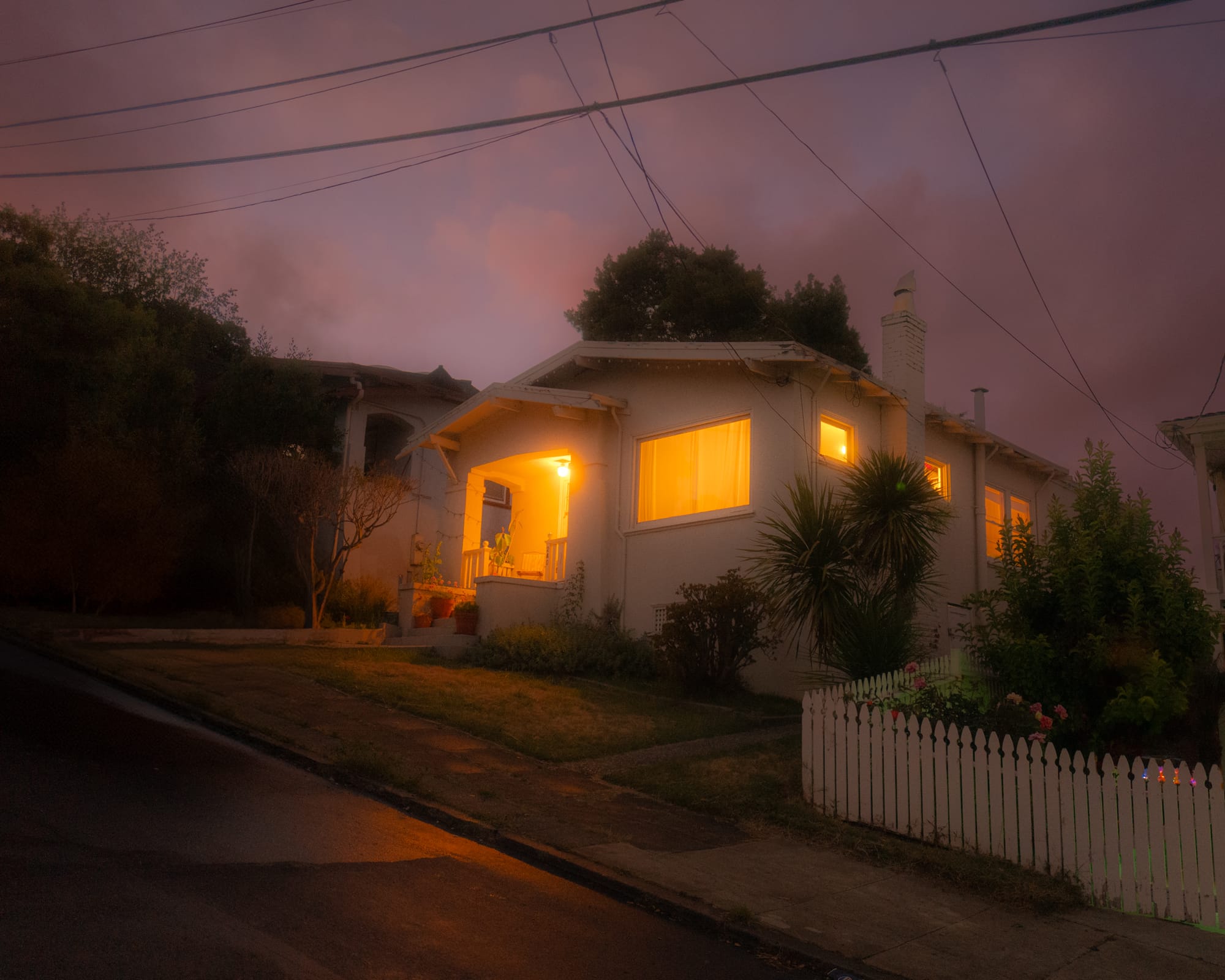
Gray Loft’s exhibition statement describes orange as occupying “a liminal space between red’s urgency and yellow’s brightness.” Kandinsky made a similar observation when he wrote, “Orange is red brought nearer to humanity by yellow.” “Orange Crush” is humane al lright, notwithstanding the unfortunate associations the color currently possesses in our times. The show’s impressive range and multitude of artistic insights represent orange’s beautiful day-to-day omnipresence in our lives.