Once Upon a Time in Harlem
Philadelphia Film Society
400 Ranstead St.
Philadelphia
Nov. 16, 2026
The movement commonly referred to as “The Harlem Renaissance" by social scholars and historians is primarily thought of as a brief period of high Black artistic activity in the 1920s and ‘30s. The names associated with the movement —Langston Hughes, Zora Neale Hurston, Countee Cullen, Claude McKay, etc. — are among the greatest creative minds of the 20th Century. In the realms of poetry, fiction, painting, theater, dance and music, the work produced by Black artists living in New York at that time has had an immeasurable influence, fundamentally reshaping each of these creative disciplines.
Directed by David Greaves and filmed by his father, William Greaves, the movie Once Upon a Time in Harlem presents a more grounded and nuanced vision of the Harlem Renaissance and its participants. The footage used in the film was shot during a reunion hosted at Duke Ellington’s home in Manhattan in the summer of 1972. The intention was to use the footage to make a documentary on the surviving figures of the Renaissance but, unfortunately, William Greaves passed away in 2014. With David Greaves taking the reins on his father’s work, the film makes a strong case for the Harlem Renaissance as much more than a brief, historic flare-up of creativity.
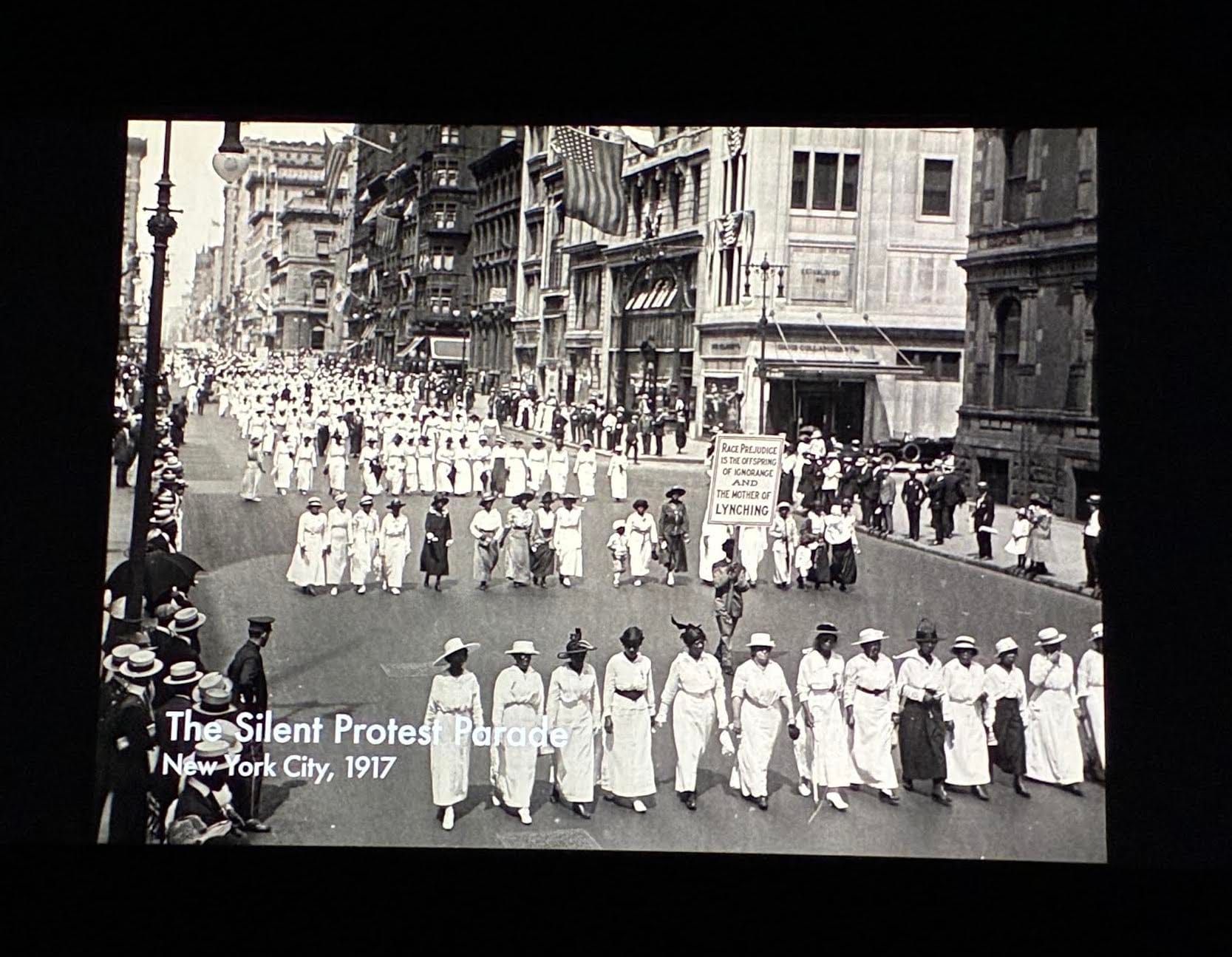
The footage from the ‘72 reunion is striking because it captures so many important figures in such a natural, informal setting. In one scene, the great photographer James Van Der Zee sits and plays the piano, Arna Bontemps recites poetry and Ida Mae Cullen gets agitated when people talk over her during a discussion. Older, wiser and decades removed from the height of the movement, it’s lovely to see these historical figures possessing so much wit, passion and intellectual fire even in the twilight of their lives. The film’s subjects spend some time reminiscing about the old days and their interviews are juxtaposed with gorgeous archival images of Harlem as well as photos by Van Der Zee and paintings by Aaron Douglas. There is also a significant time and debate about the political implications of the movement and the contemporary state of Black life in America. Scholars like John Henrik Clarke and George Schuyler, Richard Bruce Nugent debate the “Back to Africa” philosophy of Marcus Garvey and have some crucial discussions of African Americans’ relationship to the African continent and our role in the global struggle against European and American imperialism. It is within these debates and conversations that Once Upon a Time in Harlem reveals its greatest jewels. The greatness of the Harlem Renaissance was not limited to aesthetics and “the humanities” in New York. This movement of young, brilliant Black people was a microcosm of Black life and creativity everywhere. The concerns raised by the movement in the ‘20s and revisited at this film’s reunion in the ‘70s are still valid today. I'll leave you with the poem, "If We Must Die," (1919) by Claude McKay.
If we must die, let it not be like hogs
Hunted and penned in an inglorious spot,
While round us bark the mad and hungry dogs,
Making their mock at our accursèd lot.
If we must die, O let us nobly die,
So that our precious blood may not be shed
In vain; then even the monsters we defy
Shall be constrained to honor us though dead!
O kinsmen! we must meet the common foe!
Though far outnumbered let us show us brave,
And for their thousand blows deal one death-blow!
What though before us lies the open grave?
Like men we’ll face the murderous, cowardly pack,
Pressed to the wall, dying, but fighting back!


