
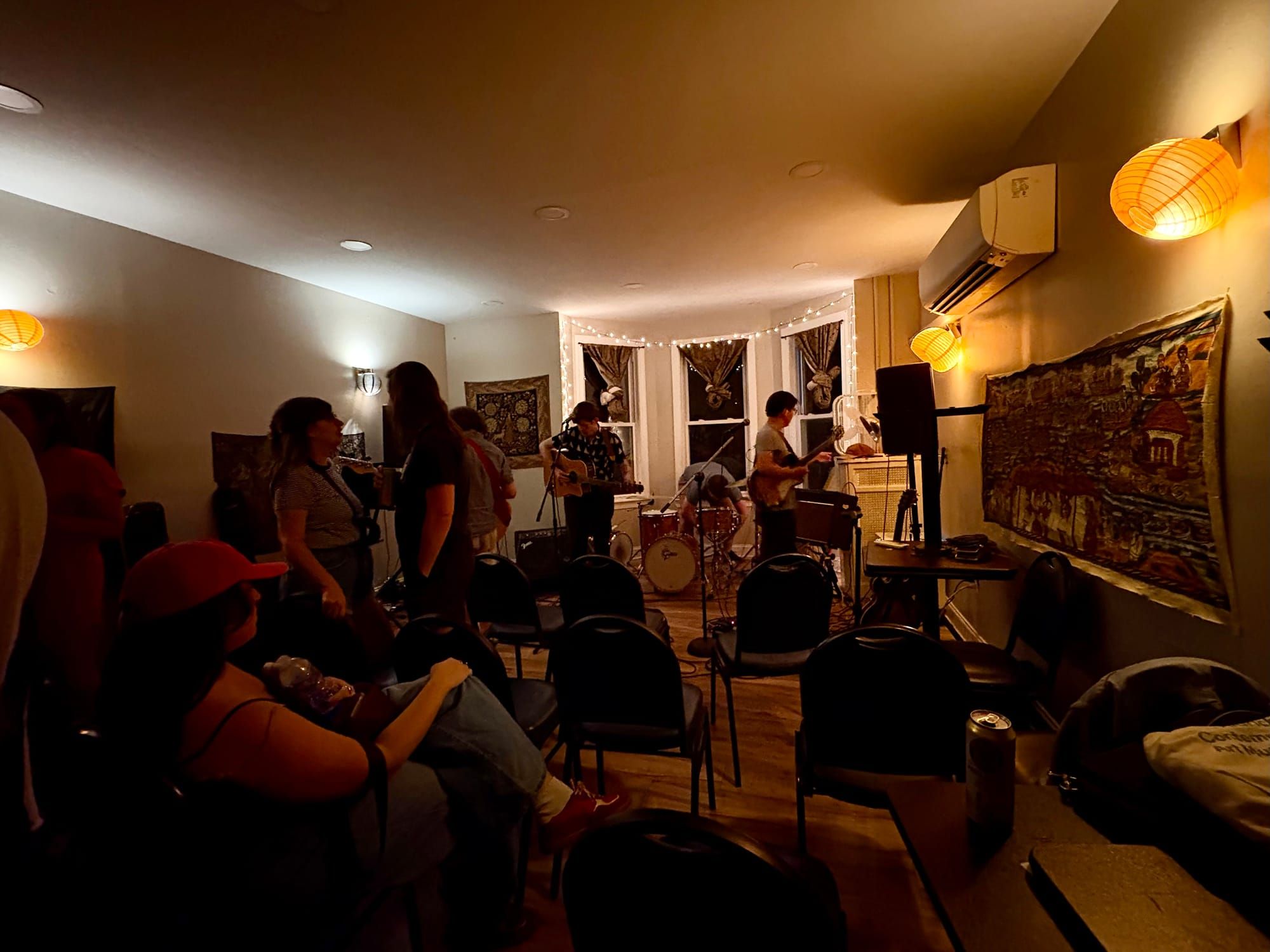
Bad History Month, Sunk Coast, Flat Mary Road
Abyssinia
229 South 45th St
Philadelphia
June 12, 2026
I feel a touch of vertigo.
I am not used to eternity.
– Borges
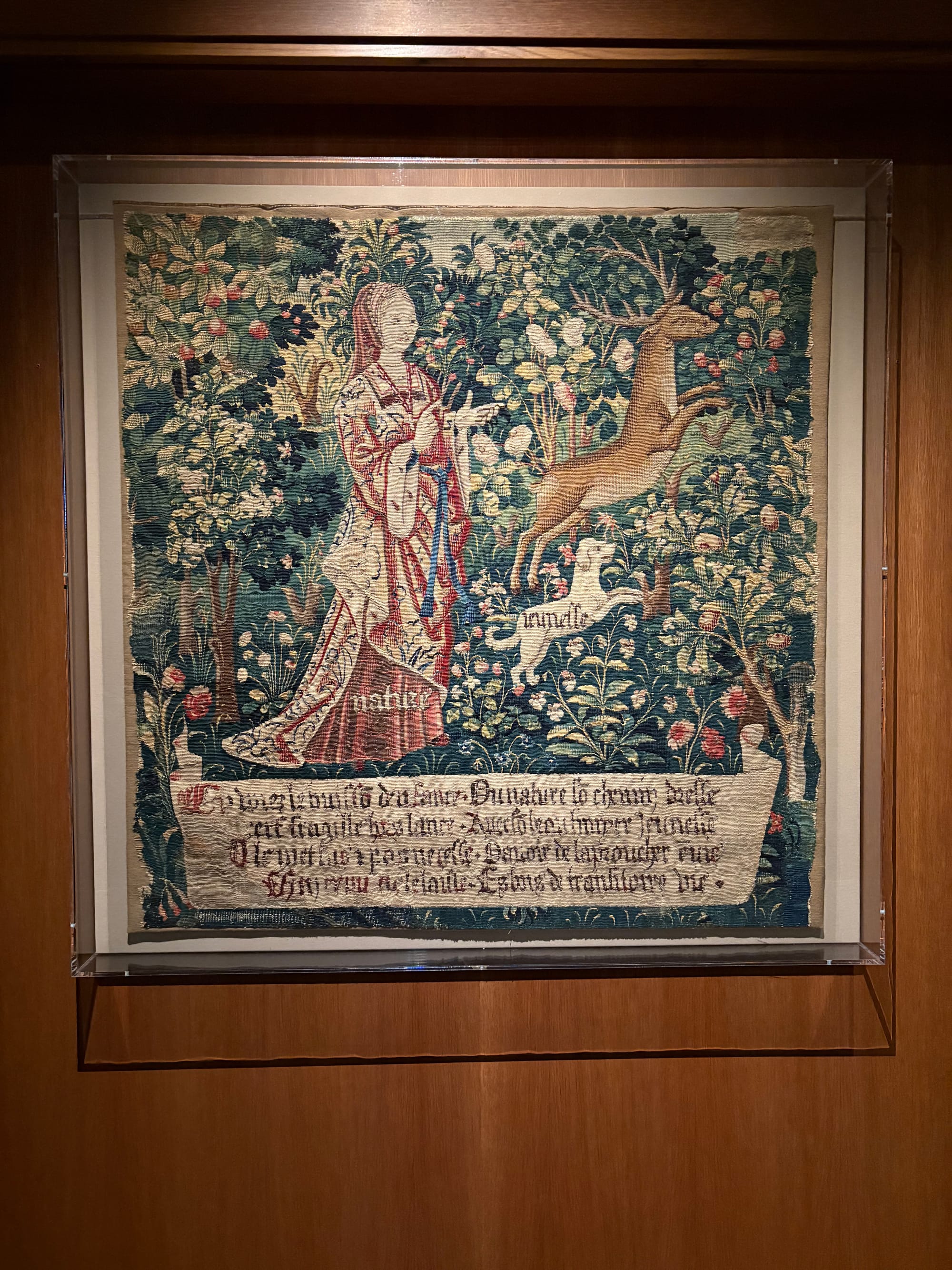
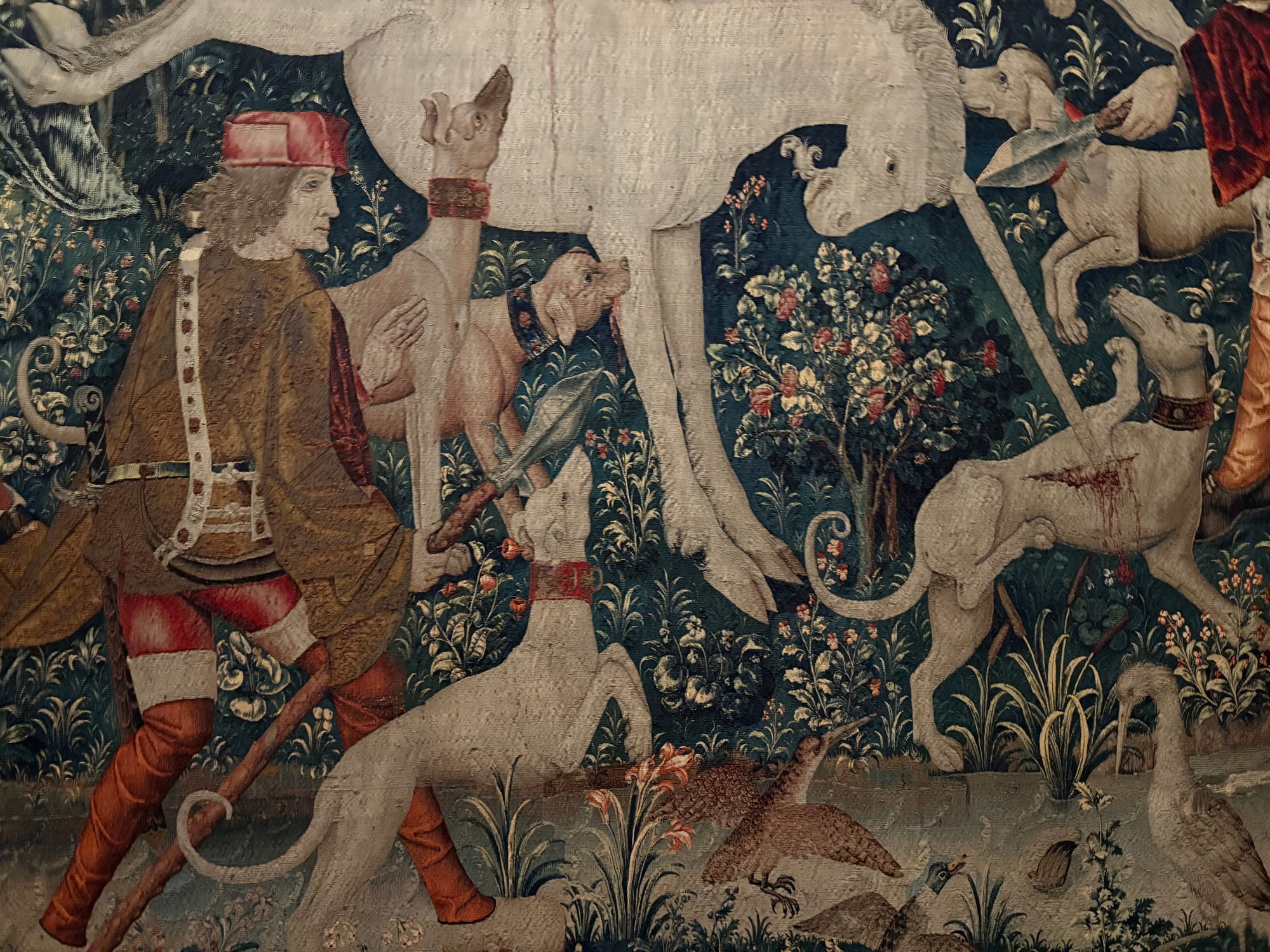
Who needs The Cloisters when you’ve got Abyssinia? I’m being cute, but I mean the question in an honest way. (Stick with me.) For reasons entirely circumstantial, coincidental and spontaneous – I was in the city anyway (I’m a lifelong Knicks fan, sue me), had time to kill, was on the hunt for some kind of invigorating, extravagant solitary experience, and took the recommendation from a friend I ran into unexpectedly on the street – I spent a few hours yesterday at Manhattan’s Cloisters museum, a place my parents apparently took me to many times as a child but with no surviving memory of my own, which is just as well, because the place itself is all surviving memory: ancient medieval artwork and architecture, preserved in whole or in part; entire rooms disassembled and transported across seas, brought to Manhattan and rebuilt stone by stone. Even the views across the Hudson into New Jersey feel unmarred by modernity. It’s a place that seems to authentically exist out of time; in his poem “The Cloisters," Jorge Luis Borges calls the collection “faithful monuments to a nostalgia.”
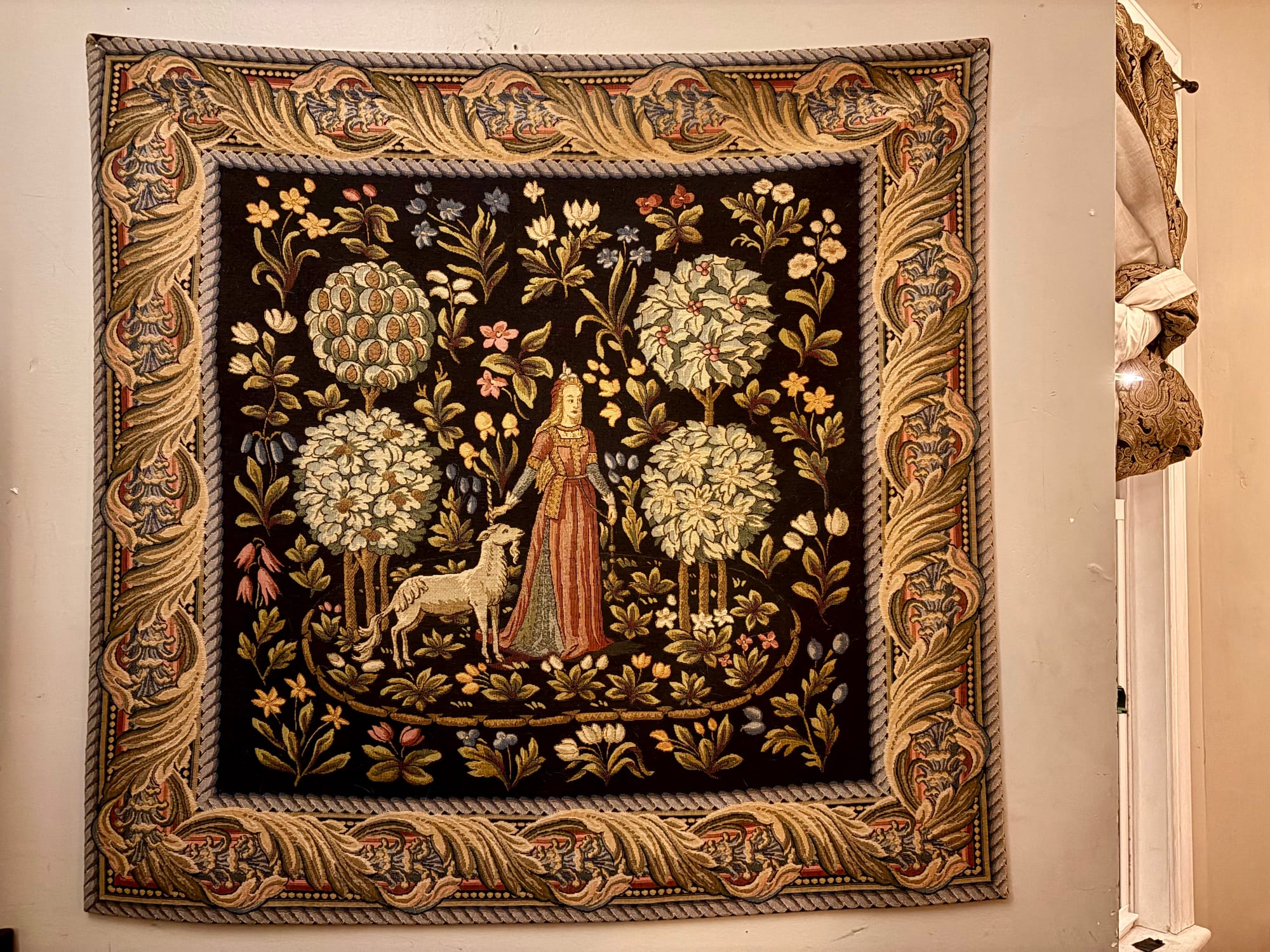
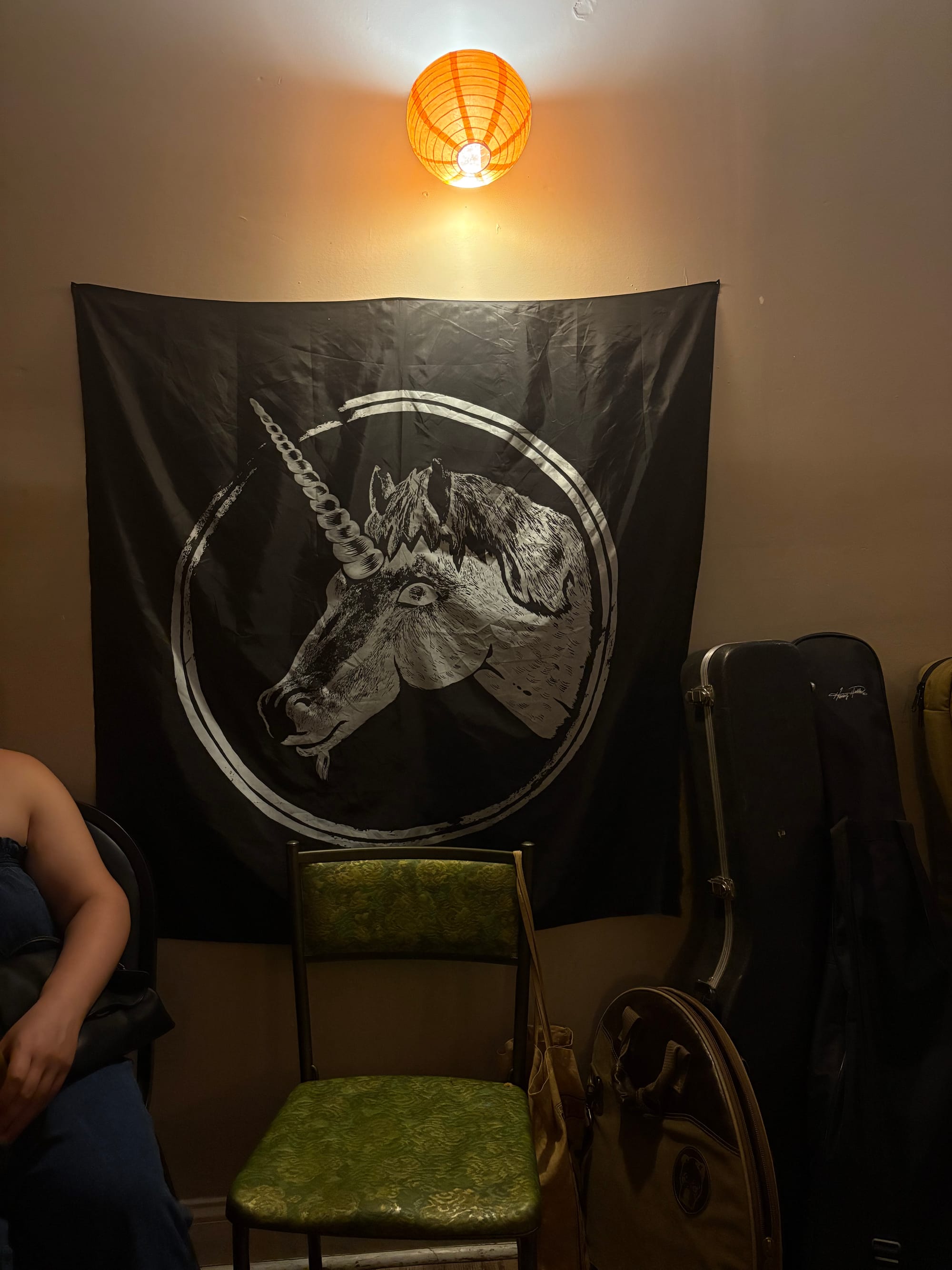
I couldn’t help but think of The Cloisters while at Abyssinia last night once I noticed some odd synchronicities: the tapestries on the wall, the presence of a white unicorn hanging by the door. It was funny, then kind of uncanny, almost parodic in a punk way. Why are these places together in time – syn, khronos – in this weirdly on-the-nose way, on this day? If I squinted I was in at least a different decade, or many at once, once again primed to listen to artists I share the day with, musicians here in Philadelphia as travelers, or as long-term residents, or new to the fold.
Bad History Month is a moniker for the prolific imagination of Sean Bean, a former Bostonian now based here. Bean passed around cookies and turned off all the fans and the air conditioning – “They call this Apocalypse style,” he joked – before leading us through a sweaty, sprawling sonic tour of his psyche, through shaggy, craggy songs that flowed dangerously, like white water rafting paths: rapid shifts in tempos and volume, chords bursting and strings slashed and smashed, everything bumpy and choppy yet staying the course, tending to smooth out into catch-your-breath clearings.
Bean yanked his songs over the finish line bloody, bruised and bedraggled, with a battle-worn grin, playing and singing guitar with a commanding presence and a mischievousness you can’t fake, the kind you sense when someone’s getting away with something. (Something I love about playing or attending shows at Abyssinia: it does sort of feel like trespassing.) I’ve seen Bad History Month play places you’re not supposed to before, and for a moment, when Bean sang a wholly-his-own version of Bonnie “Prince” Billy & Marquis de Tren’s “2/15” – an immortal song with words from Rabindranath Tagore that feel thousands of years old – it was so blissful, free and untethered I might as well have been sitting by one of those burbling fountains in the garden with their mandrakes and forget-me-nots: “All that's harsh and wrong in my life / Melts into one sweet song / And my love spreads wings like a glad bird flying over the road.”


