
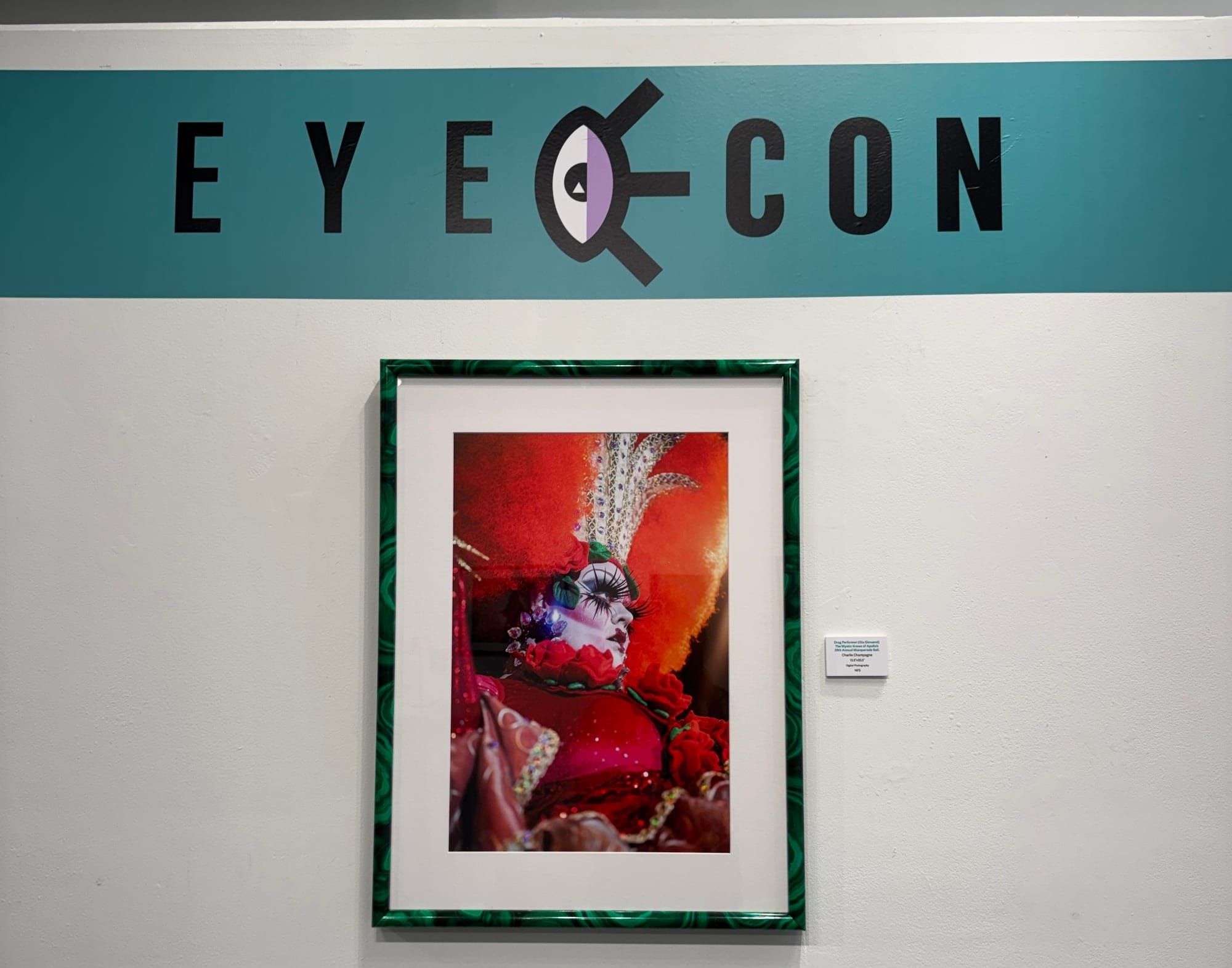
EyeCon
Shell Gallery in the Arts Council of Greater Baton Rouge
Baton Rouge
Through July 2
What are we doing for Pride Month? With so many vital rights and protections under threat in the second Trump Era, it feels important to ask.
At the Shell Gallery, an pride exhibit called “EyeCon,” featuring iconic people and moments that have shaped Louisiana’s LGBTQ+ history, is on display for the month of June. Featuring art of various mediums, it seeks to explore and celebrate the LGBTQ+ community, a “vital part of Louisiana’s history that deserves to be seen, remembered, and celebrated,” in the words of an informational wall panel.
Baton Rouge has a rich queer history that is often not acknowledged except on special days when the spotlight is on the LGBTQ+ community. Many of our city's favorite traditions, such as Spanish Town Parade and businesses, have roots in the LGBTQ+ community. The contributions of these individuals do deserve to be celebrated, not just during Pride, but every day.
Inside gallery, the space feels a little more sparse than usual. The main wall, usually adorned with three or so pieces, has just one photo on display, of drag performer Gia Giovanni at the 39th Krewe of Apollo Ball. To one side, two pieces by Iian McLean feature six of the titular icons of the exhibit: Stewart Butler, Selena Forrest, Davante Lewis, Kenny Zenith, Van Clibun and James Booker.
Butler was an activist and co-founder for the LGBTQ+ Archives Project of Louisiana which documents oral histories of the community in the state. Forrest is a model. Lewis, an activist, currently serves as public service commissioner for Louisiana's Third District. Clibun was an internationally renowned pianist, known for being a night owl. Booker was a New Orleans R&B pianist. Google doesn’t know a “Kenny Zenith” from Louisiana. Could the artist mean transgender artist Lenny Zenith from New Orleans? If so, the difference of one letter is important.
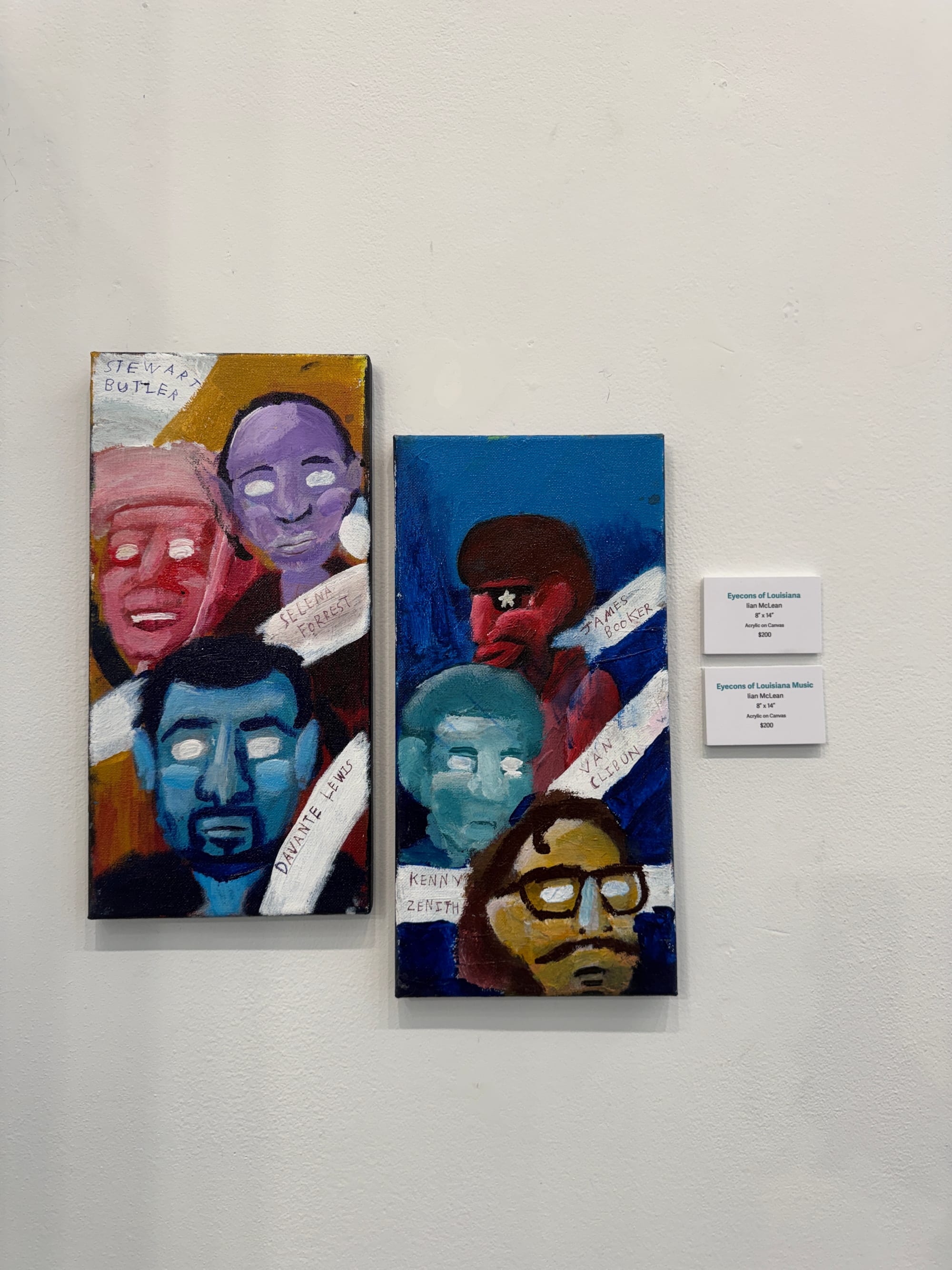
These are all really interesting stories and people who have deep roots in Louisiana. But the “EyeCon” exhibit doesn’t tell these stories. Instead, they have mostly photos of drag or pride flags in various places along with rainbow-colored art.
What does celebration look like? Who are the icons we want to remember? What did they do, and where are they now? Is it meaningful just to know the names of people who were important to Louisiana’s history or appreciate the outfits that are a part of drag culture? Or does remembering and celebrating compel us to do more than that?
While the “EyeCon” exhibit has the right idea, I can’t help but be disappointed that they didn’t employ the same storytelling techniques that they have in so many other exhibits. The icons deserve better.


