
John Cage’s “Apartment House 1776”
Cranbrook Art Museum
39221 Woodward Ave.
Bloomfield Hills
Saturday, May 23
It was a frustrating blur of sound bleeding into one gallery from the next one over.
It was one of the most musically brilliant productions I’ve ever seen.
“What we just saw was an opera, right?”
All of these are correct answers; the last question being asked by a friend after wandering through 32 minutes of John Cage’s “Apartment House 1776,” a new production by the Detroit Opera staged at the Cranbrook Art Museum in the Detroit suburb of Bloomfield Hills.
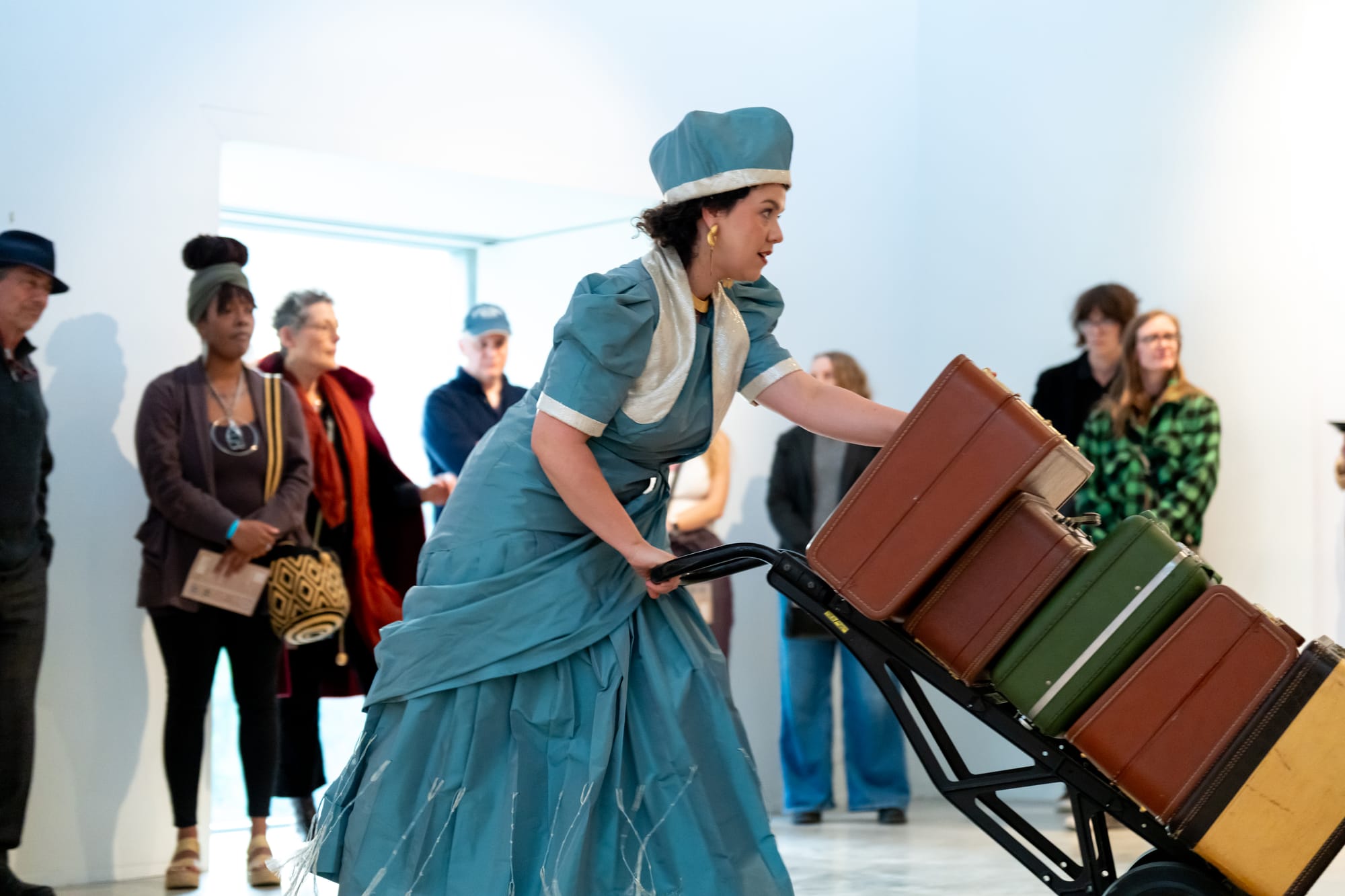
It was my friend’s first time seeing an opera. To have some questions about this one is totally fair. It’s far from the usual fare. In “Apartment House 1776,” four singers (Brianna J. Robinson, Travis Leon Williams, Selena Kearney and Mia Mandineau) wander through four galleries.
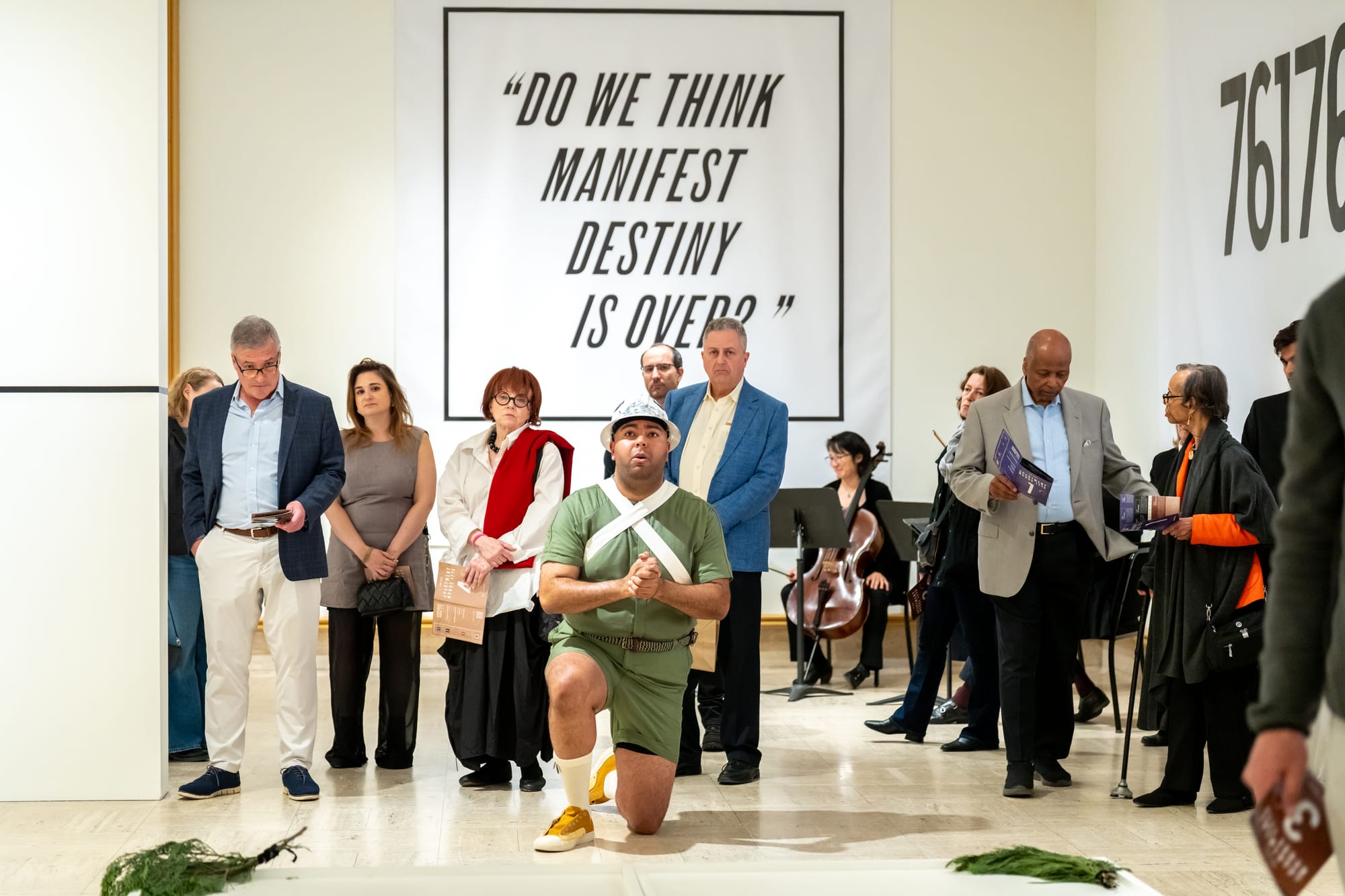
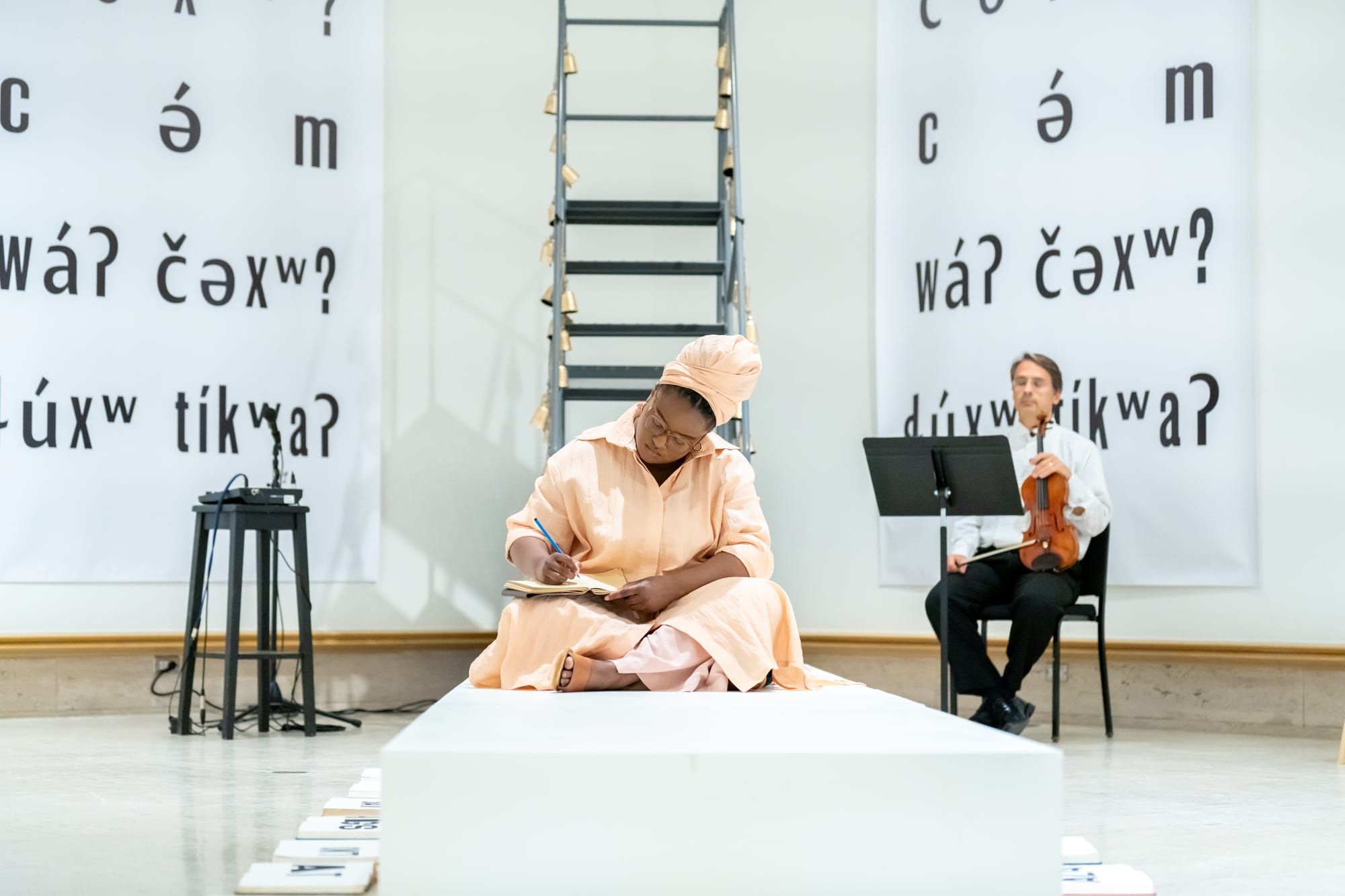
The soprano Robinson performed selections from across four centuries of Black classical composers while French soprano Mandineau chose numbers that reflected her Greek heritage. Kearney sang songs in Chehalis and Ichishkiin Sinwit, Native American languages spoken in the Pacific Northwest. Williams sang civil rights protest songs and spirituals.
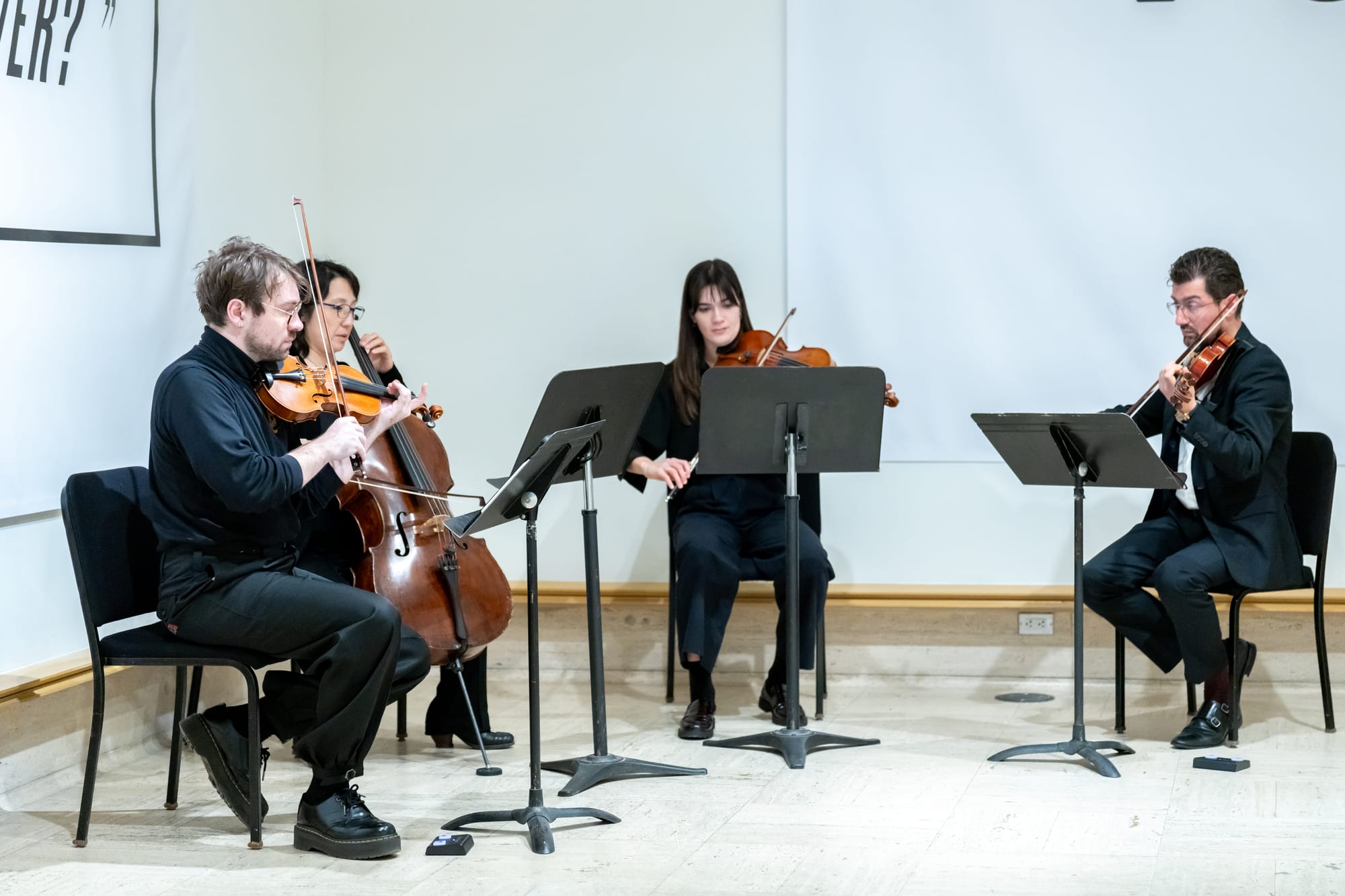
They sang as pockets of musicians (33 members of the Detroit Opera Orchestra in total) were staged throughout, performing their own songs completely separate from the numbers being sung by the singers.
The arrangements they played were by Cage himself. He envisioned a “circus” of sound, with pieces of period music from around the time of the American Revolution including popular songs, dance tunes and military marches. I’ll never forget the looks on the faces of two young patrons as the crack of a fife drum erupted in the galleries. They were shocked, concerned and curious, just like the rest of us.
There was no consideration for avoiding the chaos of all this music, of all this sound. Before our 3 p.m. performance began (a new show starts every hour), we all sat down in a small conference-like theatre and were given a vague, brief explanation from director Alexander Sulen Gedeon.
We were told to imagine ourselves in 1776, walking through a Colonial settlement and hearing different songs bleeding out through the windows and into the streets.
It was an apt description for what we experienced walking through the museum’s galleries.
You could sit in one place and let the show come to you; you could follow one singer and see where they go. You’d have to go four times to see everything that happens within the 32 minute production, but there was a lot of beauty in simply letting go and catching what you could. I didn’t stay still for any of it, slowly walking into each gallery so I could absorb the blurring of instrumentation and singing.
It was as though new neuro pathways were being built in my brain each minute. I simply hadn’t heard anything so beautiful while violently clashing up against itself. It was one of those “art feels” moments, where something is presented that’s so powerful and fresh that you struggle to find the words (not a good problem to have as a writer, but I think I’m doing OK getting it all down here).
It’s been 50 years since “Apartment House 1776” was first staged to celebrate America’s bicentennial. There have been some updates.
Still, the directive was the same for the musicians and the singers: Pick the songs that you want to perform as they relate to your race, your religion, your identity. Perform them as if you were alone and not on a stage. “What does 1776 mean to you?” was the primary question.
Cage wanted this to be a radically free performance for the musicians, for the singers, for the audience. You clould choose your own path, but know that you wouldn’t be able to see everything in a single session (although all four singers do cross paths throughout the performance and end up performing together on a four-square platform at the end).
Once you step foot in “Apartment House 1776,” you simply won’t hear the opera the same again.


