
3200 Grand ave. Oakland, CA
December 17, 2025
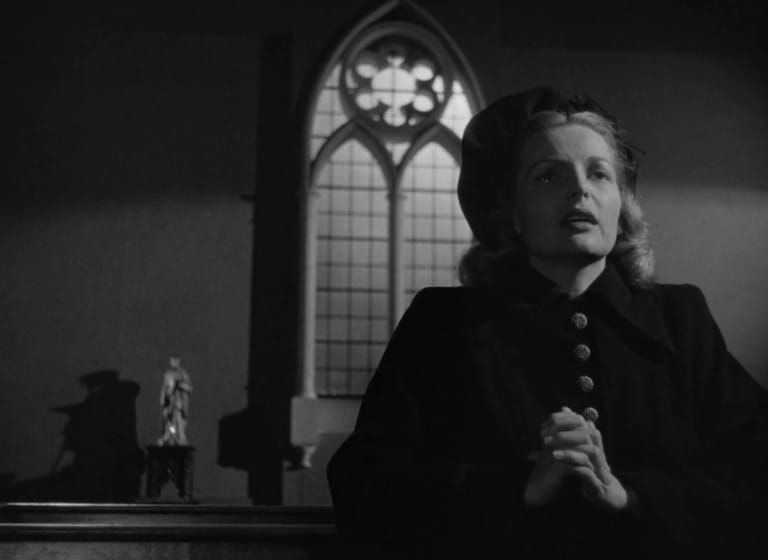
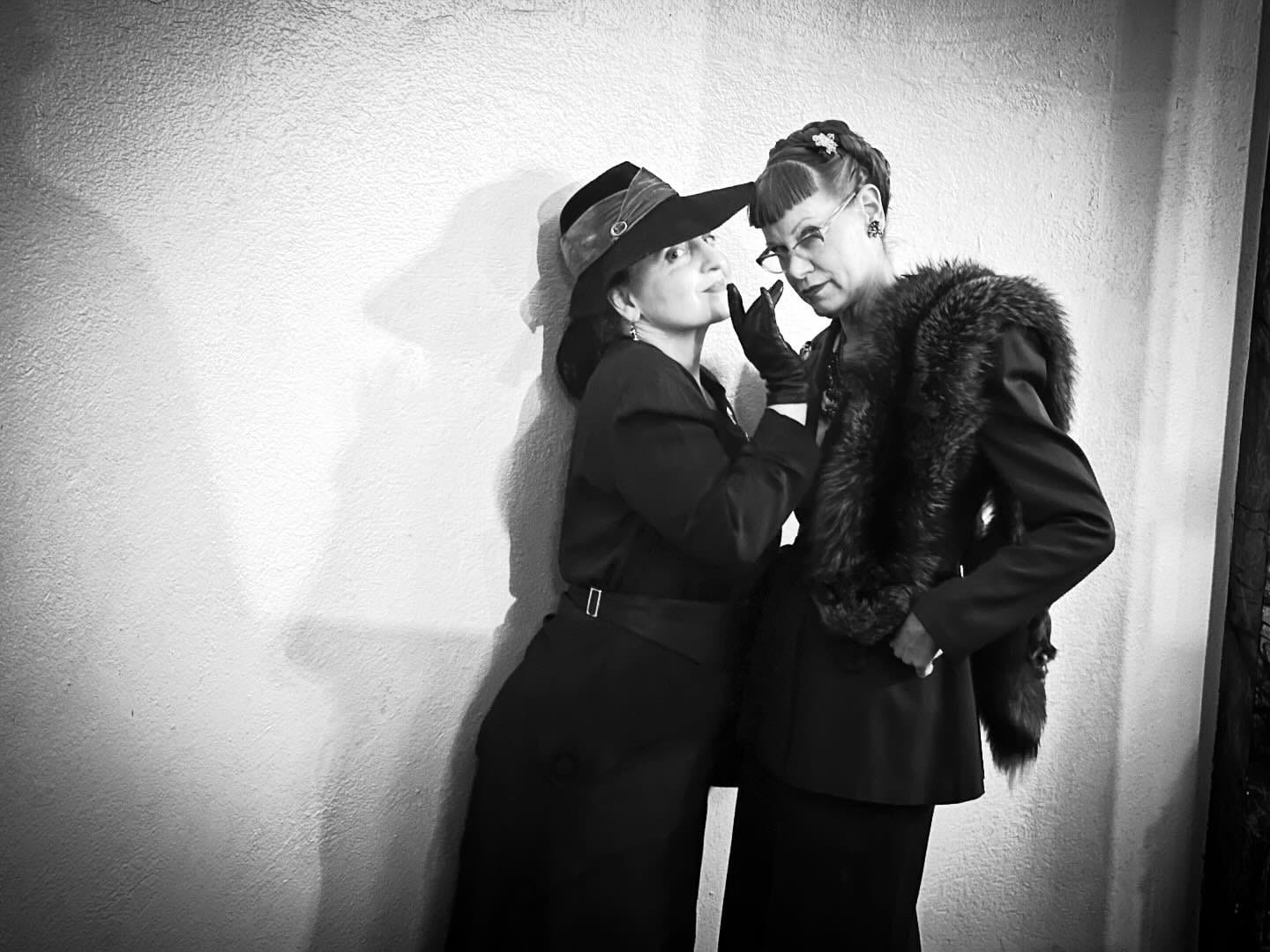
A festive atmosphere was in the air at Oakland's Historic Grand Lake Theater for Noir City Xmas. Though host Eddy Muller promised “Holiday Drear”, the live musical entertainment by the Nick Rossi trio and following organ-piped carols gave all the warm feels. Seasoned NOIR CITY goers gathered in their vintage best to celebrate the unveiling of the lineup for the upcoming NOIR CITY 23 and to watch some good dark deeds done in black and white. This year's film, I Wouldn't Be in Your Shoes, starring Don Castle, Elyse Knox, and Regis Toomey, a 1948 Monogram noir, served up just what was needed.
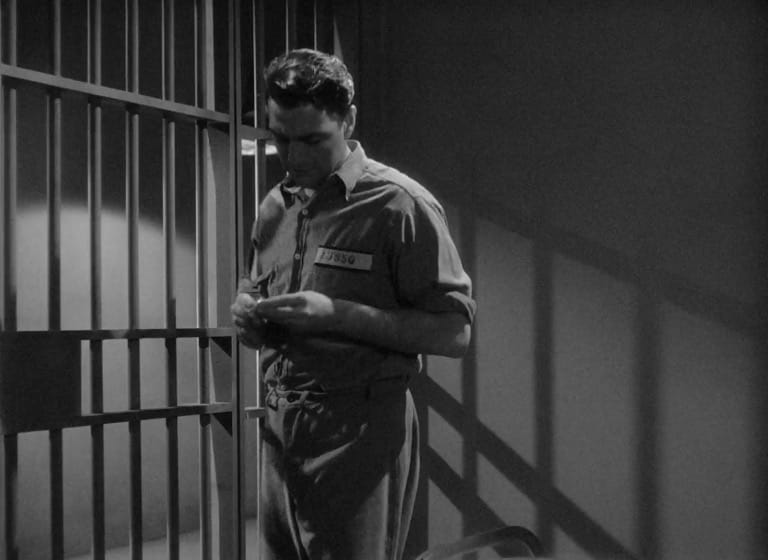
A shadow of a noose with a pair of shoes sets the scene. Tom Quinn's (Don Castle) dark eyes stare out mournfully from behind bars. Other inmates quietly observe as Tom's last meal passes them by; Quinn declares that he will not be eating it. One con, in an attempt to cheer him, plays what just might be the most depressing piece of music by Chopin on repeat. His incarcerated neighbors encourage him to speak and tell them how he came to be on death row. Quinn refuses, choosing instead to sit in silence and remember. All while he is clutching a photograph of his wife. His inner monologue begins.
It's a hot August night, and Tom, a working stiff skirting poverty, paces a minuscule apartment in New York. He's waiting for his nominally more successful wife and dance partner, Ann (Elyse Knox), to arrive home. When she arrives, Tom questions her, and she reveals that she stayed to talk with a man to whom she gives dance lessons. A generous tipper, Ann refers to him as “Santa Claus.”
After bickering back and forth, the couple settles down for the night, only to hear the sound of cats arguing outside the window. In a fit of annoyance, Tom chucks what he thinks are his old worn out shoes at the yowling felines. (Here it's fun to note how many cat lovers were in the audience. His actions were noted and swiftly judged.) Ann informs him that those were his only pair of shoes and demands that he go and retrieve them.
Unable to locate the shoes, he goes back to bed. The next morning, Ann finds them placed at the door. Meanwhile, overnight, a murder has taken place. A miserly old neighbor, known to hoard old fashioned bills, has been strangled in his sleep. A single footprint has been left in the mud, leading to a humorously large quantity of evidence, all pointing to the unsuspecting Tom. The following day, he happens the wallet full of old fashioned bills on the street.
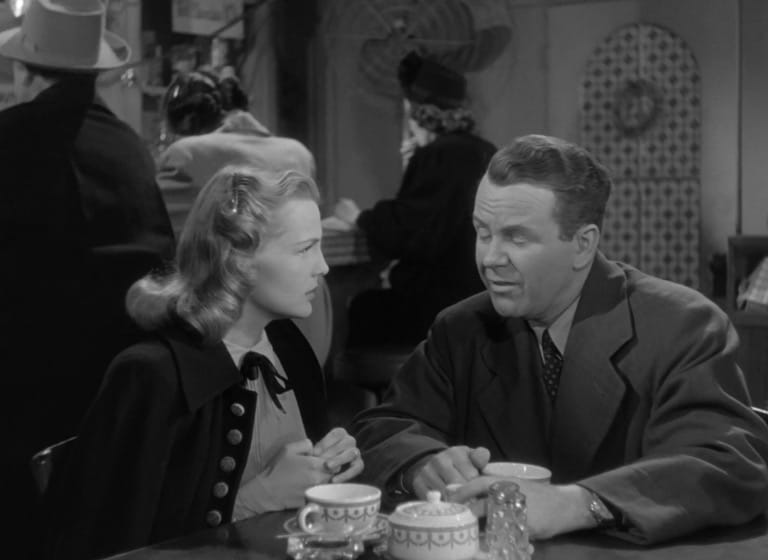
In a twist on the trope, it is Ann who insists on keeping the money—Quinn wants to turn it in to the cops. Instead, they reach a compromise to scan the newspaper's lost and found sections for a week, and if they don't see anything, the money is theirs to keep. Lost in his own thoughts, Quinn doesn't notice that he is being tailed by the police.
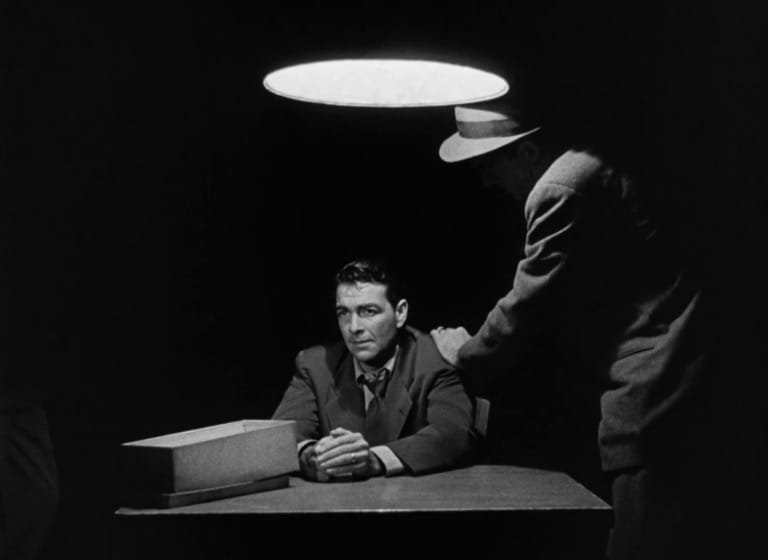
After Quinn’s arrest, Ann is startled to find that one of the detectives is none other than lonely Santa Claus (Regis Toomey), her stalkerish sugar daddy who dances with her at work. The trial is a hoard of circumstantial evidence, and places Quinn squarely behind bars, his death set for the Tuesday after Christmas.
Consumed by guilt for her role in the crime, Ann, pleads with Santa Claus, promising him love, if only he will help. In what are meant to be the last moments of Tom's life she turns her suspicions turn to the Inspector and finds out who the true enemy is.
While this story contained all the dark people doing dark deeds that we have come to expect in good noir, it lacked the high drama, sprinkling of sexual tension, or even the emotional highs and lows that get viewers on the edge of their seats. Castle and Knox play tepid versions of characters that just don't seem copacetic with one another. He is weak and resentful of his wife when it counts. She is a bit scheming and more than a little manipulative of the men around her. I icked and cringed for them both. However, neither character swung the pendulum of emotions expected of high drama in the film, making their performances a bit flat. Toomey also made for a dead eyed villain, and while his motives were revealed in due time, the delivery was also oddly lacking. Despite all of these things, it was a fun night to sit in a packed theater. Laughing with fellow film lovers at the unlikely plot holes and stale social norms of decades past made it an event. As Eddie Muller says, it truly is how these films are meant to be viewed.

NOIR CITY 23 will run January 16 to 25, 2026. Its offerings wander a bit outside of the accepted noir genre, to which Muller says, “Jazz is America's greatest contribution to the twentieth century. Mixing it up with film noir is a perfect way to showcase the music for a younger generation. The stories may be dark and depressing, but the music always soars.”
Tickets are likely to sell out, so be sure to reserve your spots soon.


