
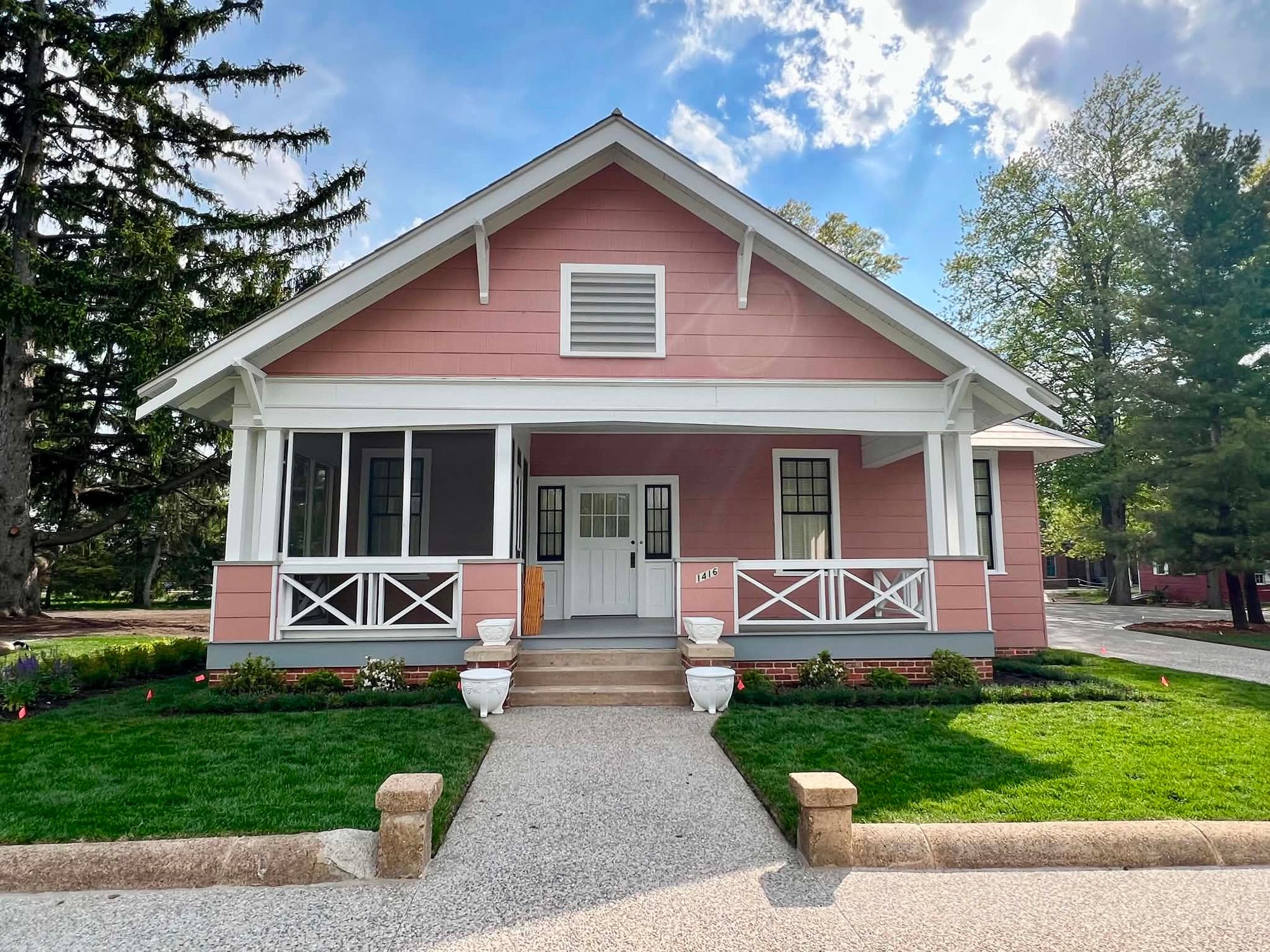
Jackson Home, Greenfield Village
Dearborn, Mich.
Opens June 12, 2026
“Suffs” really got me thinking this month about the precariousness of voting rights. And with last month’s Louisiana v. Callais Supreme Court ruling, which diminished the Voting Rights Act, my fears are appearing not to be unfounded. Greenfield Village’s latest addition, the Dr. Sullivan and Mrs. Richie Jean Sherrod Jackson Home, encourages guests to ponder the significance of voting rights for Black Americans and understand the effort and sacrifice it took to achieve them.
The Jacksons were long-term friends of the Martin Luther King Jr. The 2000-square-foot Selma, Alabama, house was King’s base when he and other civil rights leaders organized the Selma marches in the 1960s. The marches eventually helped lead to the Voting Rights Act in 1965, which struck down barriers that prevented Black Americans from voting. After a four-year process, the house opens to the public June 12, just weeks before the United States celebrates its 250th anniversary.
Established by Ford Motor Company founder Henry Ford, Greenfield Village is an 80+-acre living history museum that features a range of historic homes and buildings, including the homes of Ford and Noah Webster, the Wright Brothers' Cycle Shop and Thomas Edison Menlo Park Laboratory. The Jackson House is its first addition in over 40 years. It is also the most modern, set in 1965.
Before entering the home, visitors must walk through an exhibit that provides an overview of the Jackson family and offers context to the country’s racist voting laws at the time that prevented Black Americans from voting. (The Jackson House is also the first Greenfield Village building to offer an attached exhibit.) Visitors then enter from the back of the home, which would have been the door King used when visiting the Jacksons as an added layer of discretion and protection.
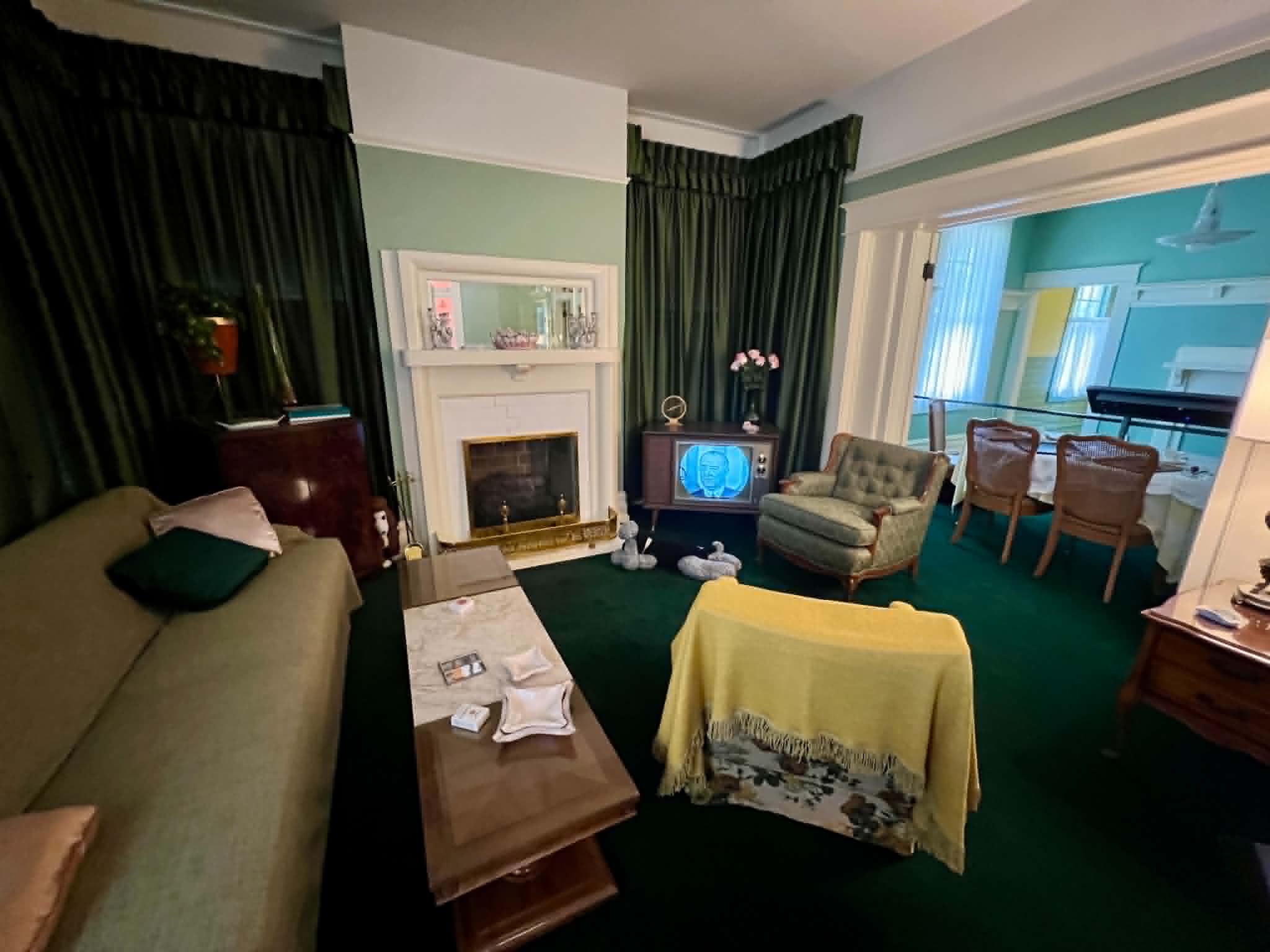
Once inside, visitors follow a path through the one-story home, including its kitchen, dining room, living room and bedrooms. While the home was built in 1919 and lived in by the family until 2013, it has been restored to how it looked in the 1960s when King and other civil rights leaders would have visited. Much of the furniture is original, though, including the maple dining room table the civil rights leaders would have used in planning.
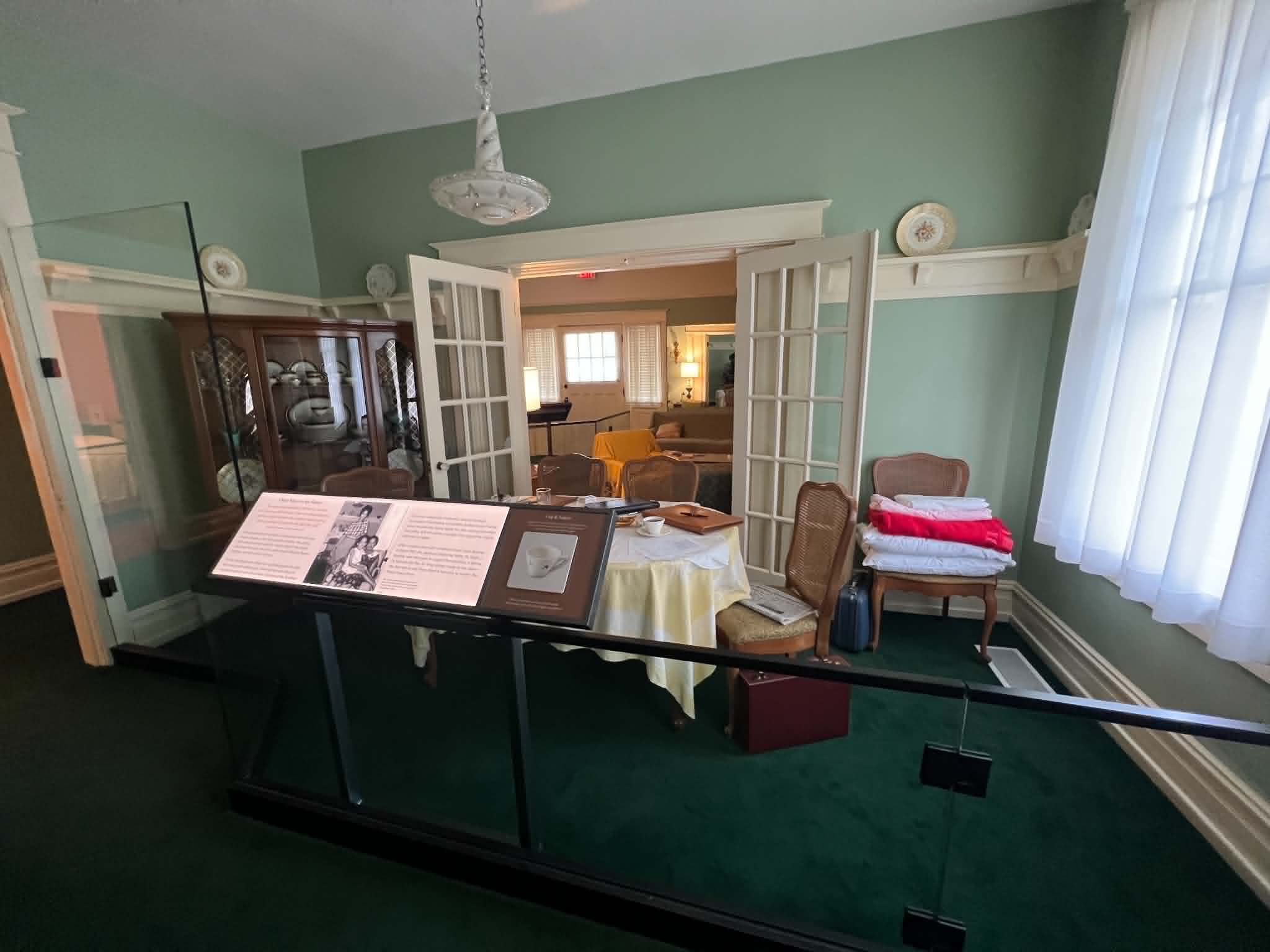
If you’re like me and try to read everything in museums, the exhibit portion of the building will take more time to walk through than the house itself. It’s dense with information that sets the scene of the state of voting rights in the United States in the 1960s and why the protests were necessary, highlighting key figures and organizations. It also has information and personal items from the Jackson family themselves, putting faces behind the names and understanding the personal risks and sacrifices they made when opening their home for the cause.
The house itself is a very standard mid-century-designed home but is a welcome addition to Greenfield Village’s much older offerings. Some of the furniture and décor reminded me of my grandparents’ houses, which was nostalgic. There was also an interesting contrast being in a very ordinary space that produced extraordinary action. Accordingly, curators have said in interviews that they want visitors to walk away inspired to take action themselves.
For those visiting Greenfield Village this summer or looking for a reason to visit, the Jackson Home is a refreshing addition to the complex that shines a light on a period of history still within living memory. It also offers a timely reflection on the state of our democracy today – how much has changed and how much hasn’t.


