
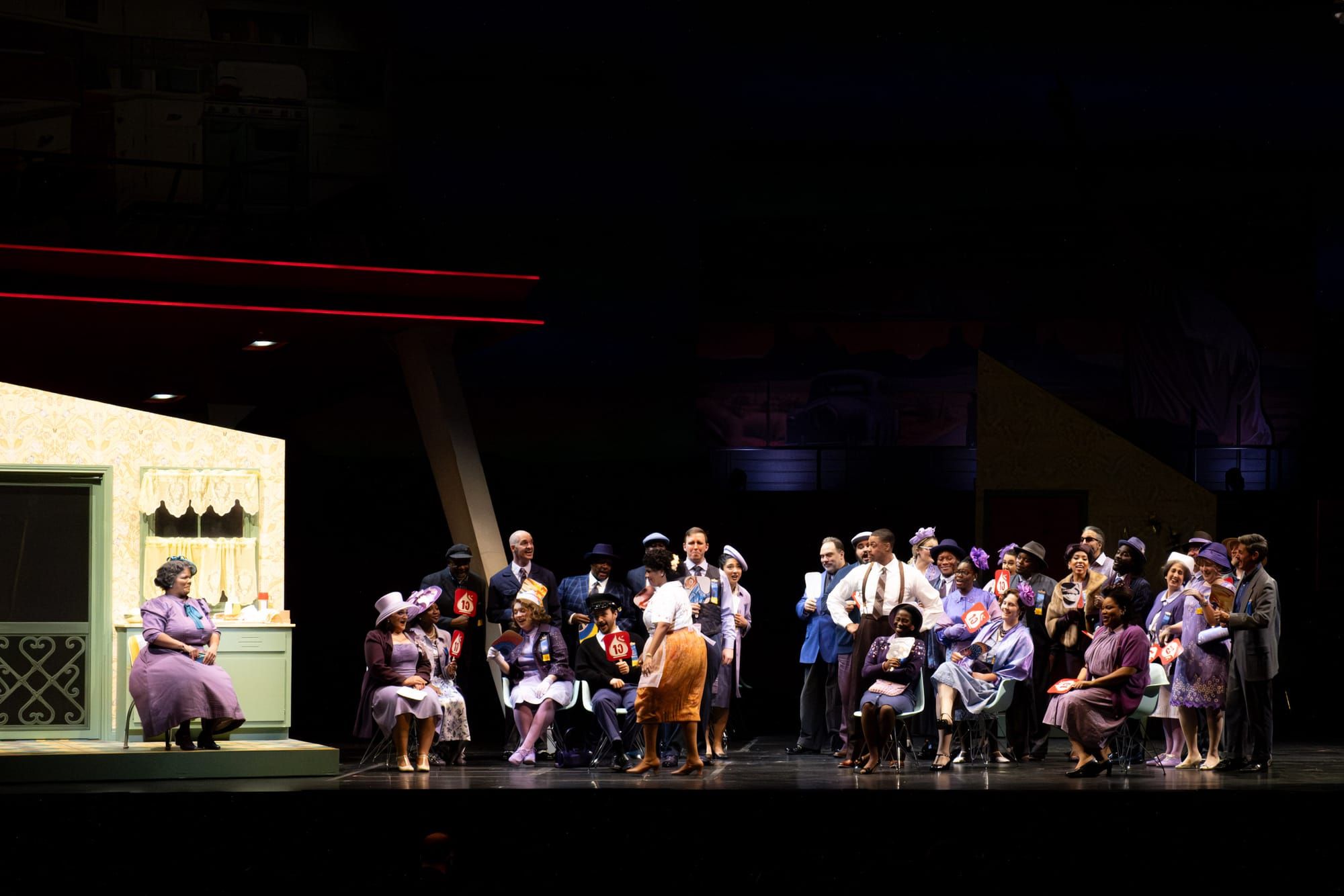
“Highways and Valleys” blends blues, jazz, and classical traditions while also marking a hometown Detroit Opera House debut for baritone Lawrence Mitchell.
Highways & Valleys
Detroit Opera House
Detroit, Mich.
Dec. 7, 11, & 13, 2025
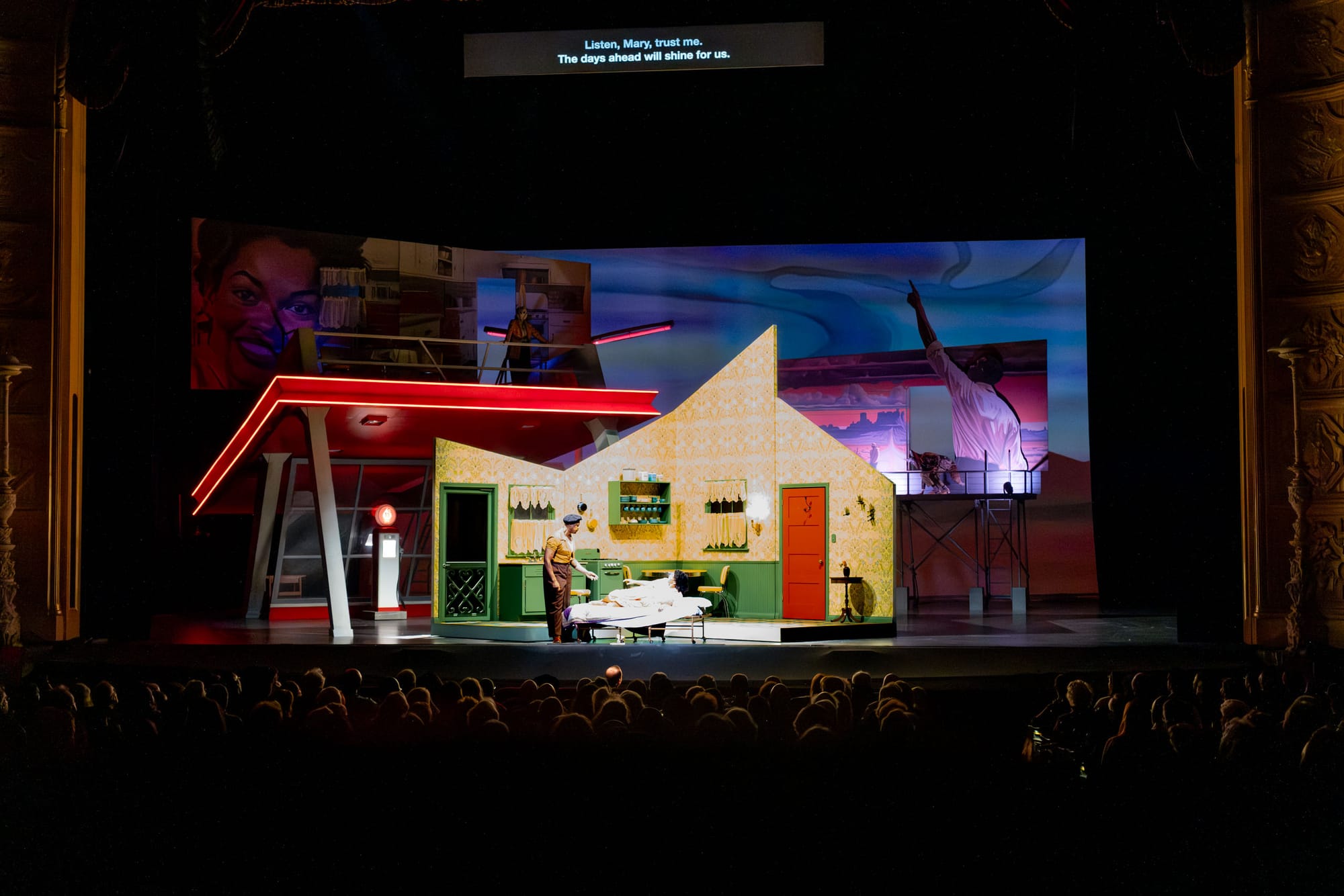
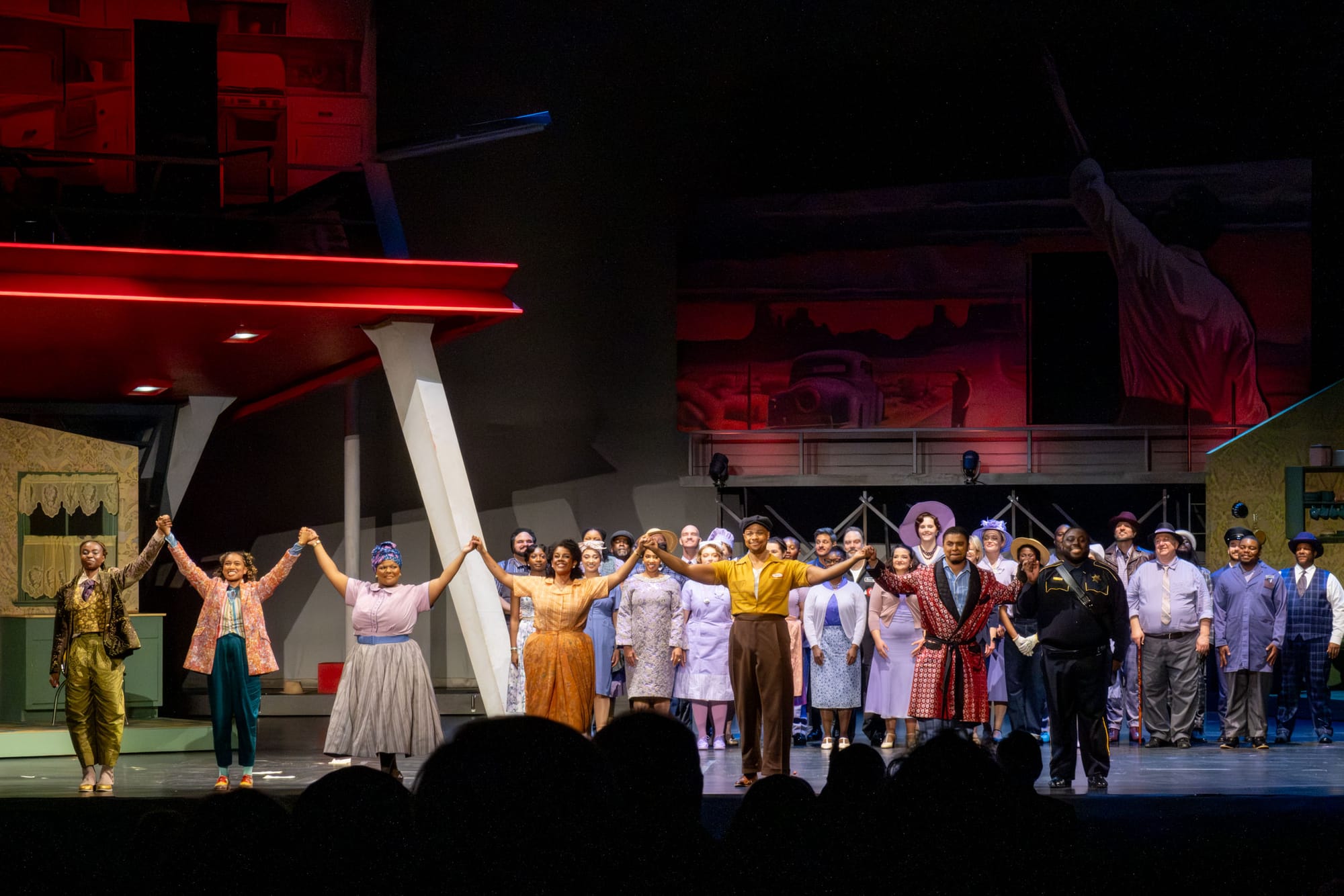
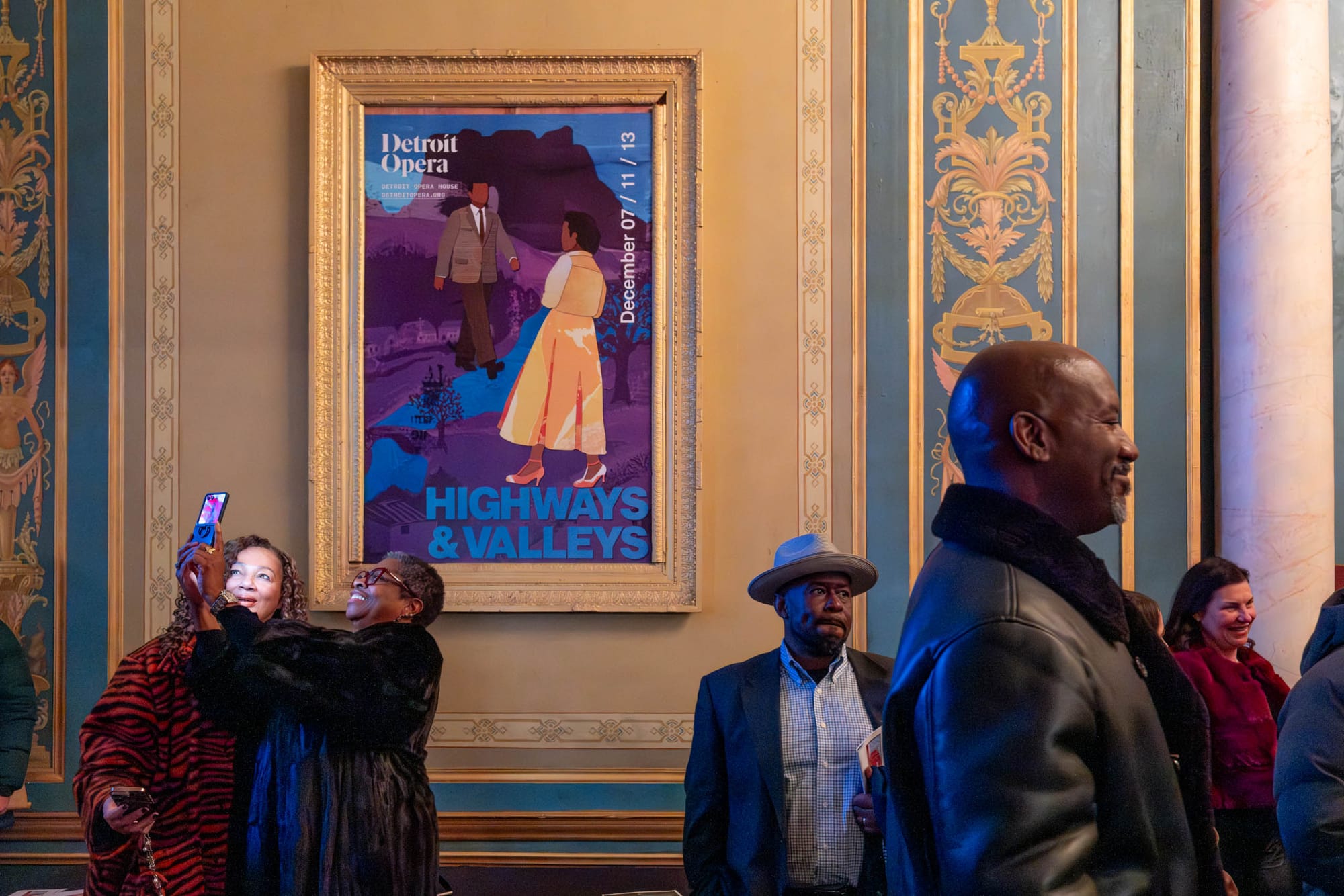
“Highways and Valleys,” a double-bill pairing William Grant Still’s “Highway 1, USA” and Kurt Weill’s “Down in the Valley” inspired audiences at the Detroit Opera House.
Blending blues, jazz, spirituals and classical traditions, the production highlights how marginalized voices have shaped the sound of American music while bringing two rarely staged works into conversation.
For baritone Lawrence Mitchell-Matthews, the production marks a milestone as his Detroit Opera House debut in his hometown. Appearing as the preacher in “Down in the Valley” and the sheriff in “Highway 1, USA”, he talks about returning to Detroit and what he hopes local audiences take away from this historic performance.
MIDBROW: How does it feel to make your Detroit Opera House debut as a Detroit native?
MITCHELL: I am so excited. It’s still mind-blowing that I’m able to do this at this point, and I’m grateful to check one thing off my bucket list. It’s been on my bucket list since 2008, so here we are.
MIDBROW: How long have you been working professionally in opera and music?
MITCHELL: I started studying officially in 2011. My orchestra debut was actually in 2009 with the Detroit Symphony Orchestra under Dave Wagner’s baton, which was really cool. I did my undergraduate studies at Indiana University and my graduate studies at Southern Methodist University. I returned to Detroit around 2018.
MIDBROW: How do the two artists behind “Highways and Valleys” compliment one another?
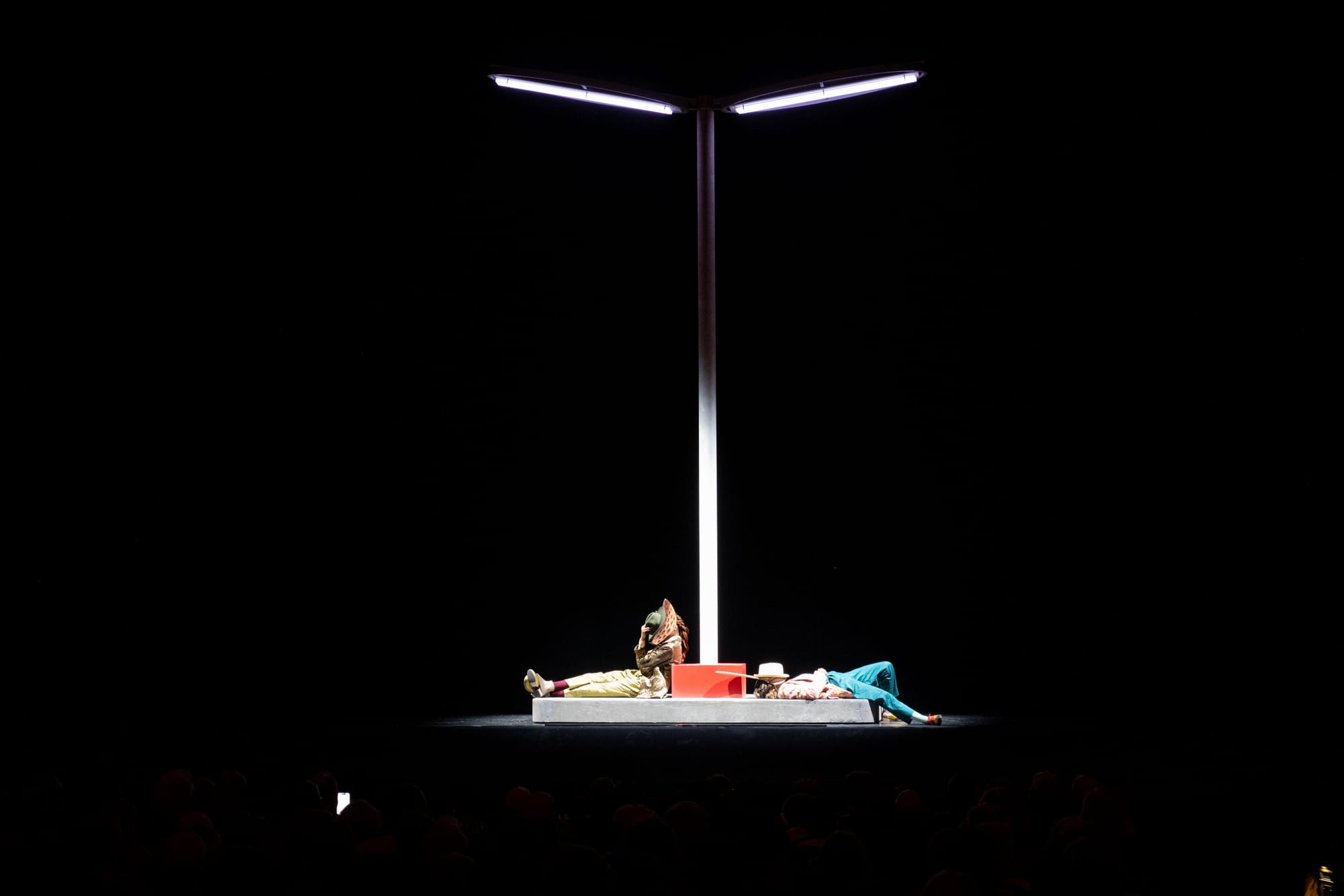
MITCHELL-MATTHEWS: This is a double-bill, so we get two very different but connected composers. “Highway 1, USA” is by William Grant Still, and “Down in the Valley” is by Kurt Weill, a Jewish immigrant. Both studied classical music but brought elements from their own cultures into their compositions. I think it’s a beautiful reminder of our collective differences and our shared experience as Americans. William Grant Still is known as the “Dean of African American composers,” especially for his symphonic writing, so hearing how he brings these genres together, especially for vocal music, is really special.
MIDBROW: What excites you most about bringing these two performances to the Detroit Opera House for the first time?
MITCHELL-MATTHEWS: “Down in the Valley” was originally composed as a radio opera, so bringing something that was sound-based in the 1940s and ’50s onto the stage is incredibly exciting. Back then, radio was how people received information, so transforming that into a full visual and audio experience feels very special. I think audiences are really going to enjoy seeing how that translation works onstage.
MIDBROW: These operas center marginalized voices and community life. How do you see yourself reflected in that broader story?
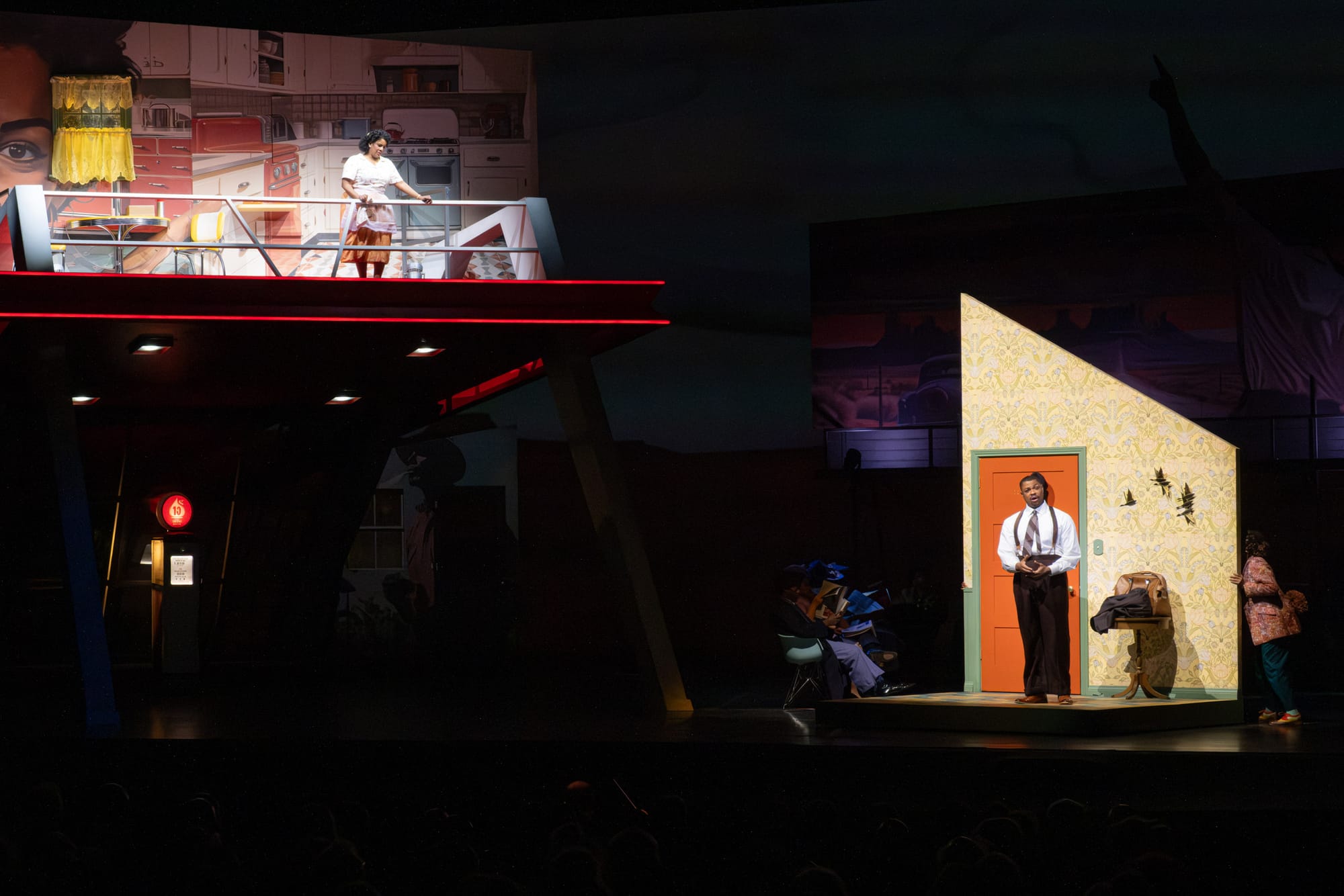
MITCHELL-MATTHEWS: I come from a sacred background, and in “Down in the Valley” I play the preacher. I’ve actually been in those kinds of worship settings and religious camp meetings, so that felt very personal to me. In “Highway 1, USA.” I play the sheriff, and I think that role sheds light on how law enforcement can be meaningful when it’s connected to and active within the community. Art has a way of showing how important those relationships can be.
MIDBROW: What part of preparing for these roles was most challenging?
MITCHELL-MATTHEWS: The most challenging and exciting part is always the transition from working with piano to working with a full orchestra. Piano is very percussive and precise, but once you move to strings and follow the maestro, it’s a different kind of listening and flexibility. It’s a shift, but it’s also what makes performing with an orchestra so thrilling.
MIDBROW: What conversations do you hope “Highways and Valleys” sparks for Detroit audiences?
MITCHELL-MATTHEWS: I’ve been saying this a lot, and I’ll stick with it: I love that this is for everyone — and opera is for everyone. This is Black love on the opera stage, and that love deserves to be seen. The operas are in English, so people can really engage with the story, but beyond that, live theater is just so important. I hope audiences walk away feeling that opera belongs to them, too.


