
Yours Truly: 19th Century Letters from Our Archives
Stowe Center for Literary Activism
Hartford
Jan. 28, 2026
Slavery didn’t just imprison the bodies of Africans and their descendants. It also curtailed the imaginations and expressiveness of its victims, with tendrils of racism and inhumanity.
After reading a letter written by Harriet Jacobs, an enslaved woman who eventually escaped to freedom, I was awed by her eloquence and bravery in escaping that unfathomable institution. I was also struck by the ways in which her writing still had to yield to the racial attitudes of the day.
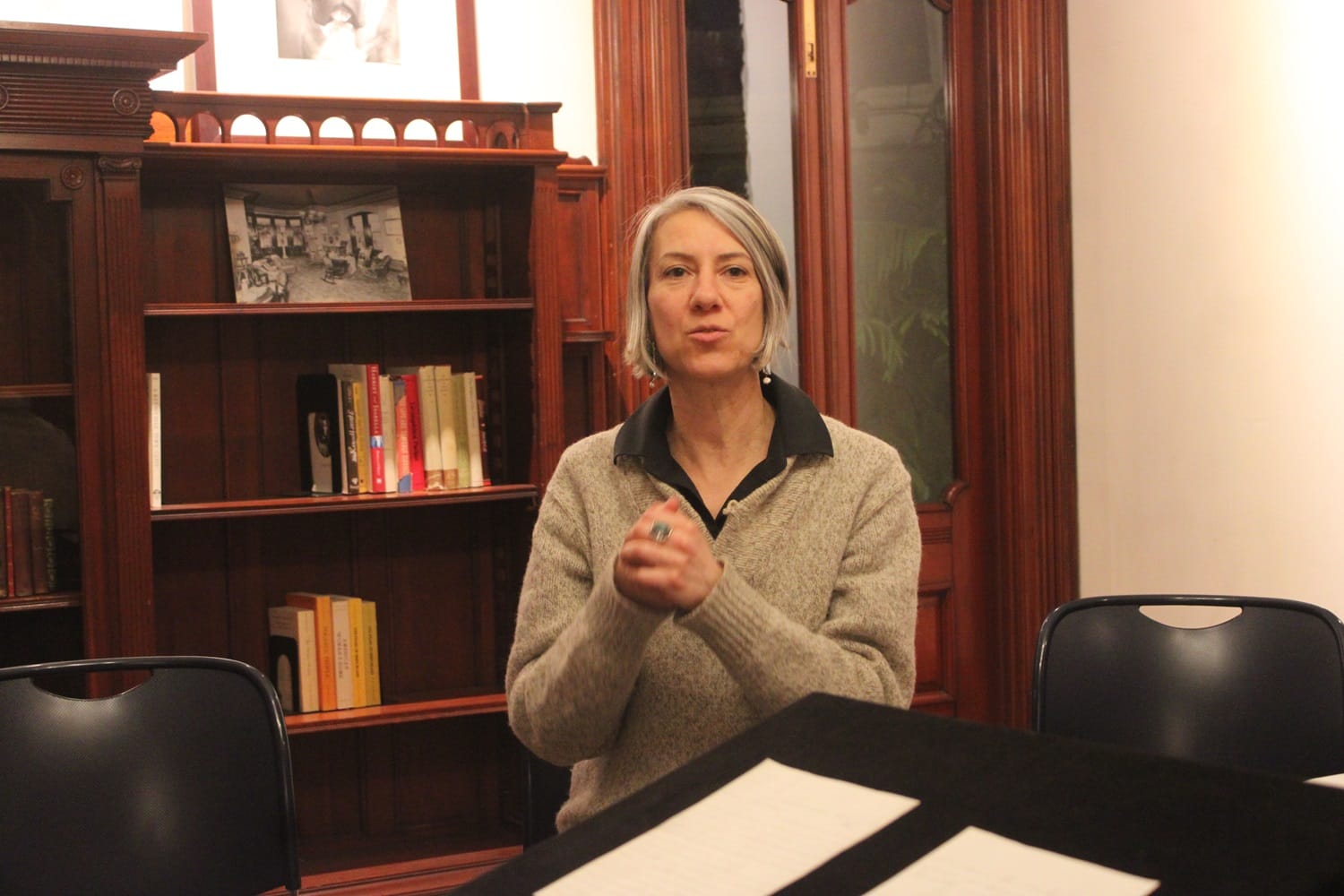
Jacob’s letter was presented as part of the Yours Truly series at the Stowe Center for Literary Activism. Every other month, Cat White, the director of collections and public programs at the Stowe Center, takes a letter out from the archives and shares it with the public, to give a glimpse into the ways that Americans lived in the distant past.
Harriet Jacobs was born into slavery in North Carolina in the early 19th century. She had two children. She was constantly sexually harassed by her enslaver. Eventually she went to hide with her grandmother, a free woman, and lived in her attic for seven years until she escaped to the North, where she was reunited with her children. In addition to the letter we read, Jacobs wrote the first freedom narrative by an African American woman, titled Incidents in the Life of a Slave Girl, under the pen name Linda Brent.
The letter that we read was written in 1865 during the last months of the Civil War. Jacobs, now working with abolitionists and others considered radical, returned to Virginia to provide services for free people in the wake of Union Army victories. Despite her work to help the formerly enslaved, we see in the letter that Jacobs must frame her labor in terms of the “poor whites” that she is helping, focusing her letter on the plight of Aunt Polly Mason.
As it is the only letter from Jacobs in the Stowe collection, it’s difficult to ascertain the relationship between Jacobs and May, the woman the letter is addressed to. In our discussion, we surmised that this was a letter to one of her funders, tactfully seeking more money to continue her work. If so, the fact that she had to couch assistance for freedpeople in terms of its benefits for Whites shows the prejudices of even the well-intentioned in this era.
Another example of how the era impacted how Jacobs wrote comes later in the letter, when she describes the pride of seeing colored soldiers marching by, “the old slave pen within an arms length”, and the White soldiers leading them. She then writes:
“No I had rather picture the day when I shall meet a Colored [regiment] with Colored Officers. Then I shall forget the wrongs to my race and be proud to call myself an American Woman.”
Jacobs did live to see that glorious day, when in 1877, Henry O. Flipper became the first African American to graduate from West Point and receive a commission as a second lieutenant in the U.S. Army. Jacobs was 64 years old.
The perniciousness of slavery and racism even clouded that dream. Jacobs' desire to see African American officers was tainted by the all-consuming reality of racial segregation. She dared not write to her benefactors that she wanted to see Black officers in charge of White men. We could receive some form of freedom, but true equality was still off the table.
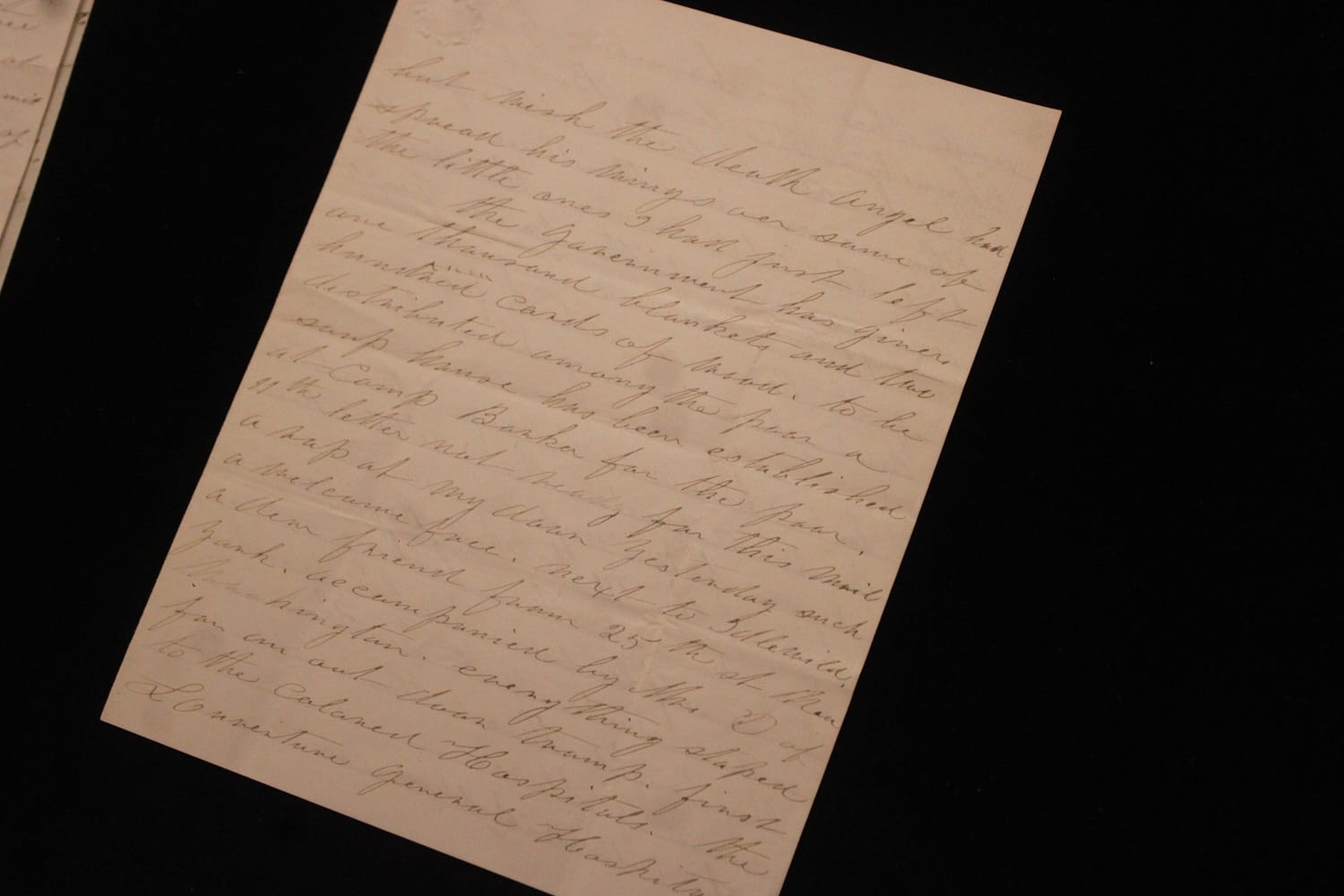
One of the aspects of the talk that I really appreciated was the recreation of the letter itself so that we could try to read along in the original script that Jacobs wrote in. There are few things more difficult than trying to read the ornate cursive used by literate people in the Civil War era; thankfully we were also provided with a typed transcription. I’ve uploaded the first page of Jacob’s letter below if you’d like to challenge yourself to read it. The transcription follows.
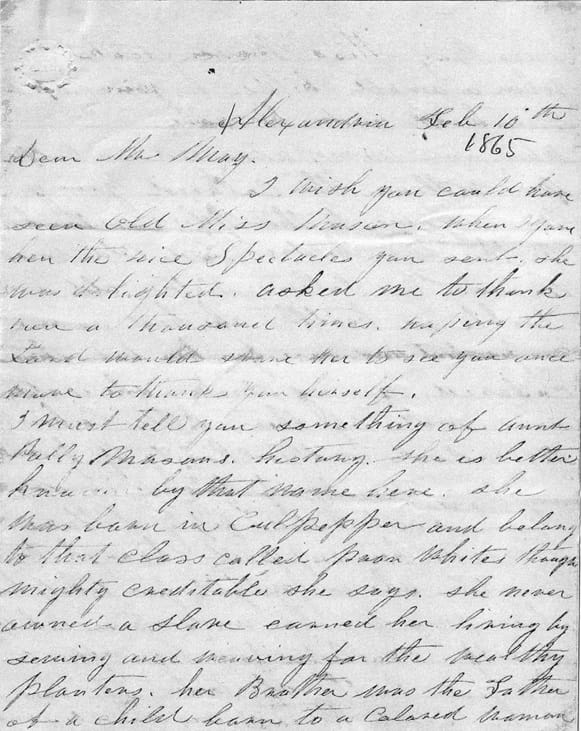
Alexandria February 10, 1865
Dear Mrs. May,
I wish you could have seen old Miss. Mason, when I gave her the give spectacles you sent, she was delighted. Asked me to thank you a thousand times, hoping the Lord would spare her to see you once more to thank you herself.
I must tell you something of Aunt Polly Mason’s history. She is better known by that name here. She was born in Culpepper and belong to that class called poor whites, though mighty credible she says. She never owned a slave earned her living by sewing and weaving for the wealthy planters. Her brother was the Father of a child born to a colored woman.
NEXT
Jamil heads to Trinity College to check out a new exhibit


