
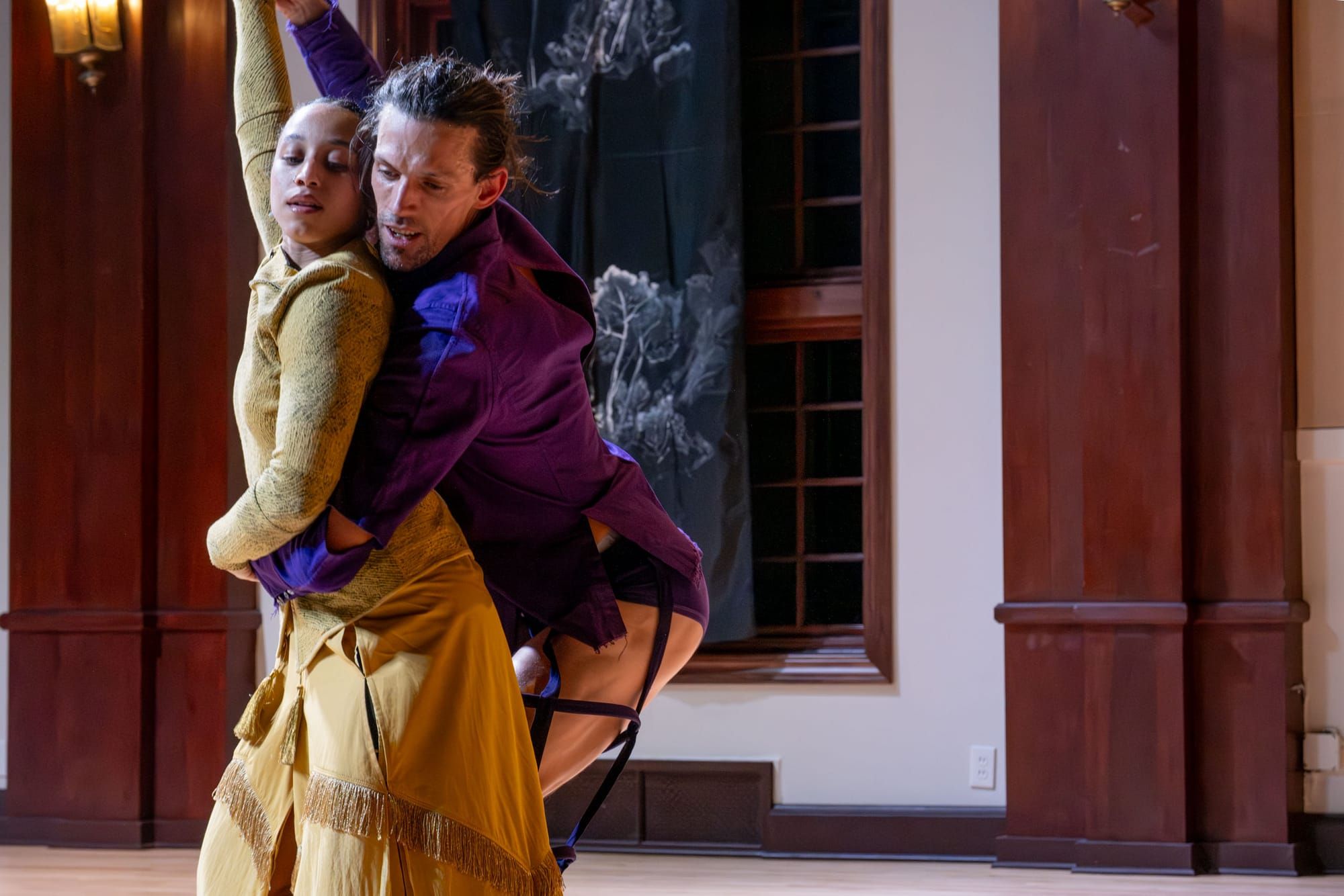
"Orlando”
North Rosedale Park Civic Association Community House
Detroit
Nov. 21, 2025
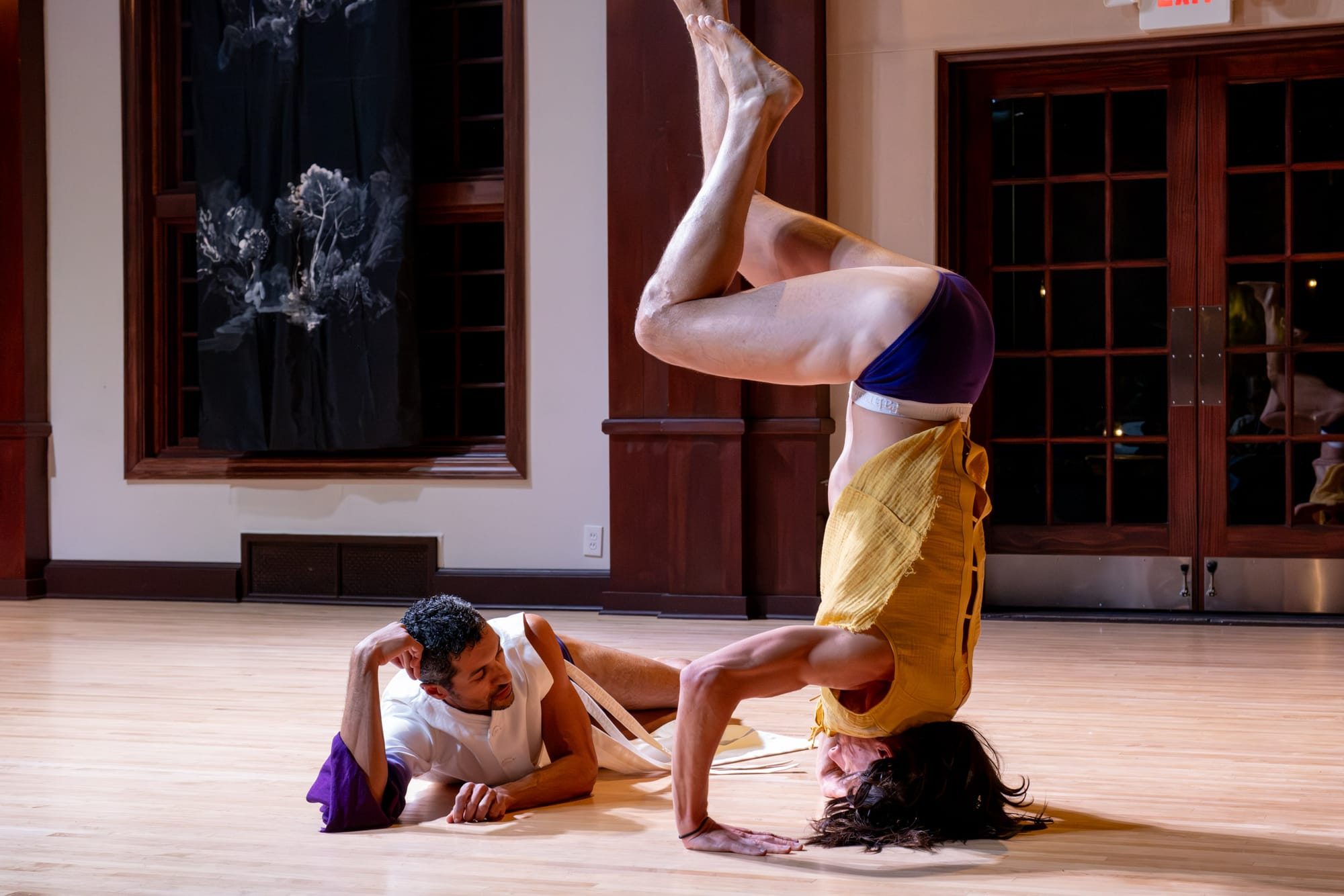
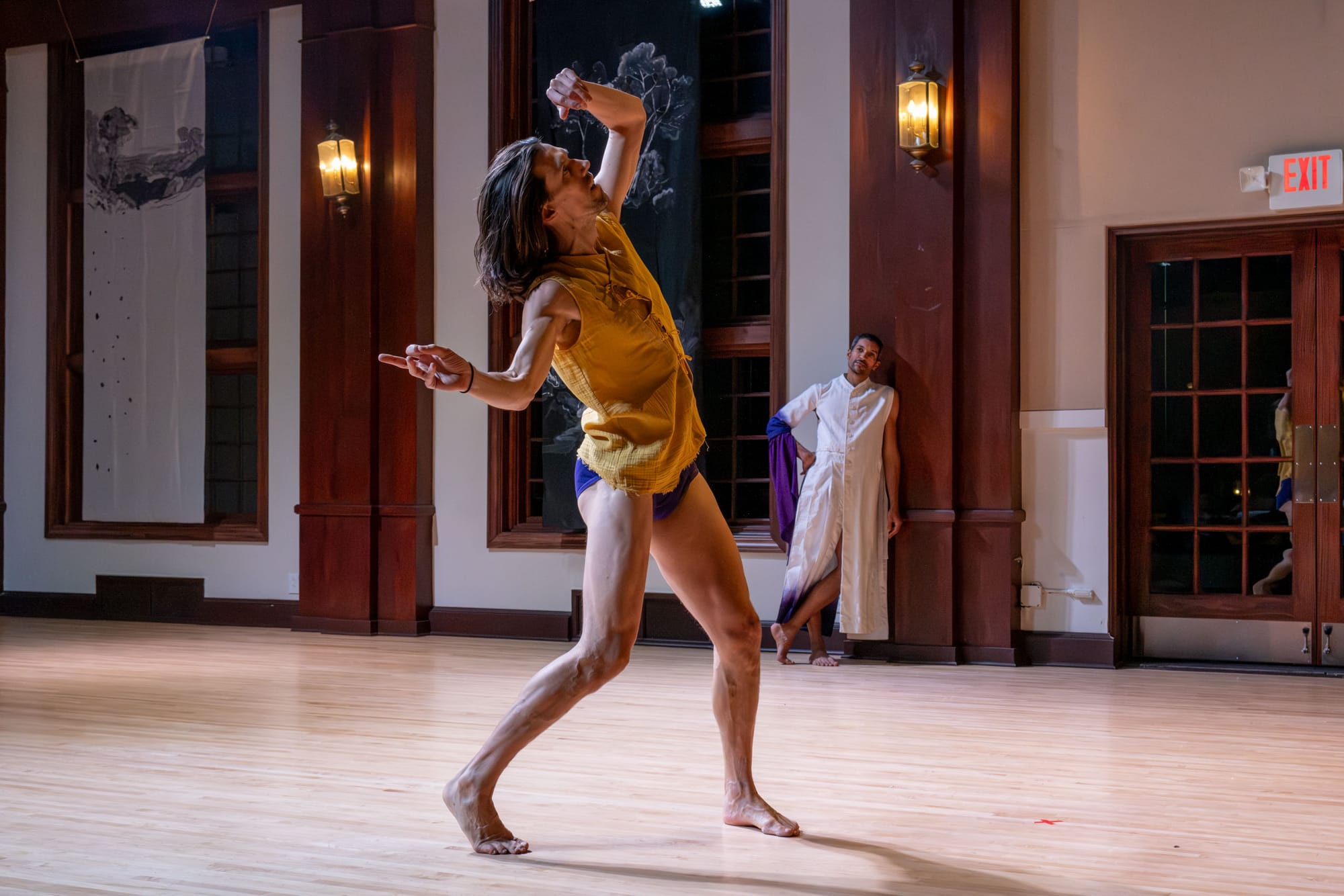
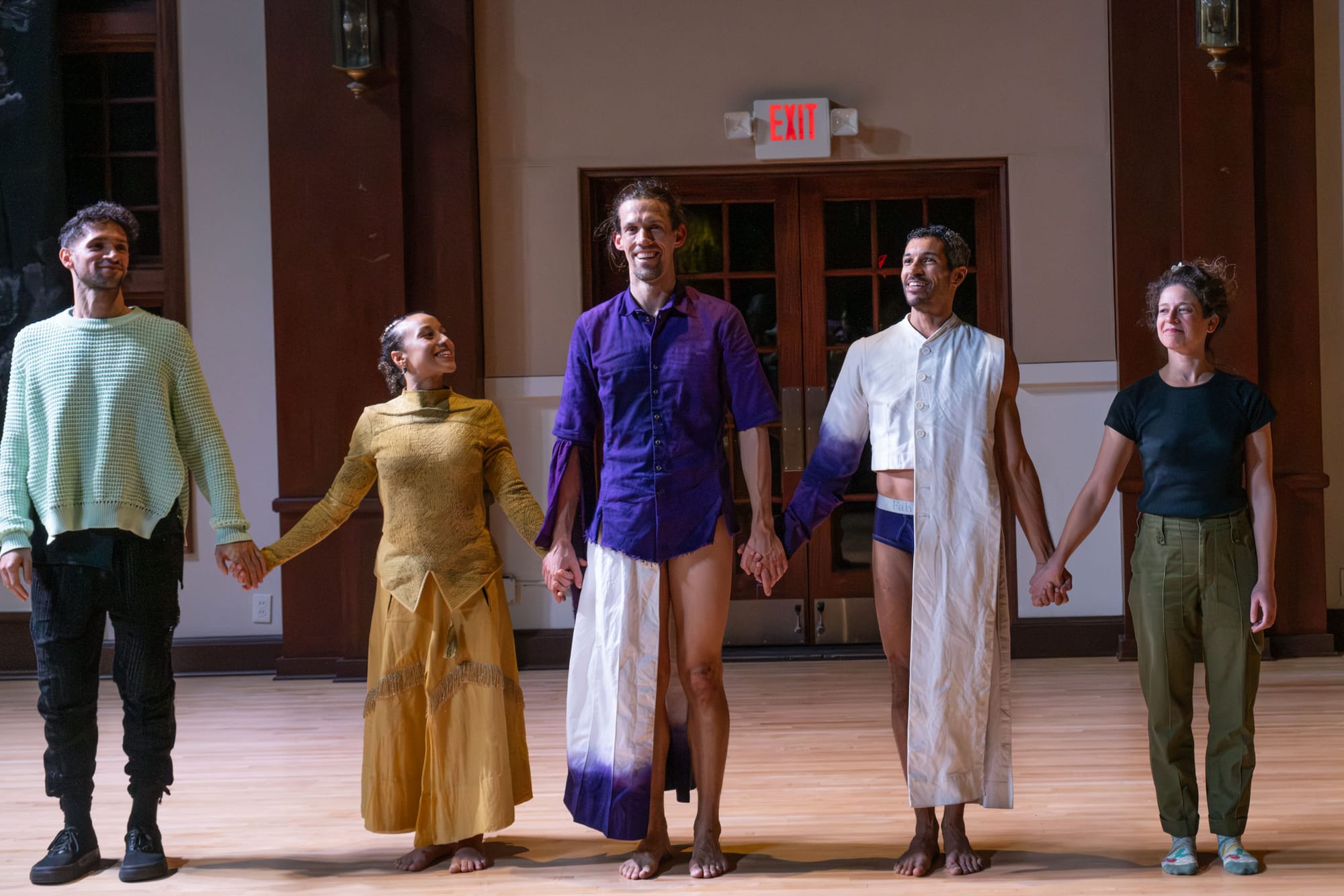
The performance of “Orlando,” an adaptation of Virginia Woolf’s 19th century novel, drew in an intimate crowd at the North Rosedale Park Civic Association Community House.
The show explores universal themes of love, relationships and fluidity of gender through Orlando’s shift from male to female.
Choreographer and conceptualist Kyle Gerry collaborated with clothing designer Nile Baker, set designer KB Jones, and dramaturgists Stephanie Lane and Amy Blumberg, to honor Woolf’s legacy and breathe new life into the story through an evening-length theatrical interpretation.
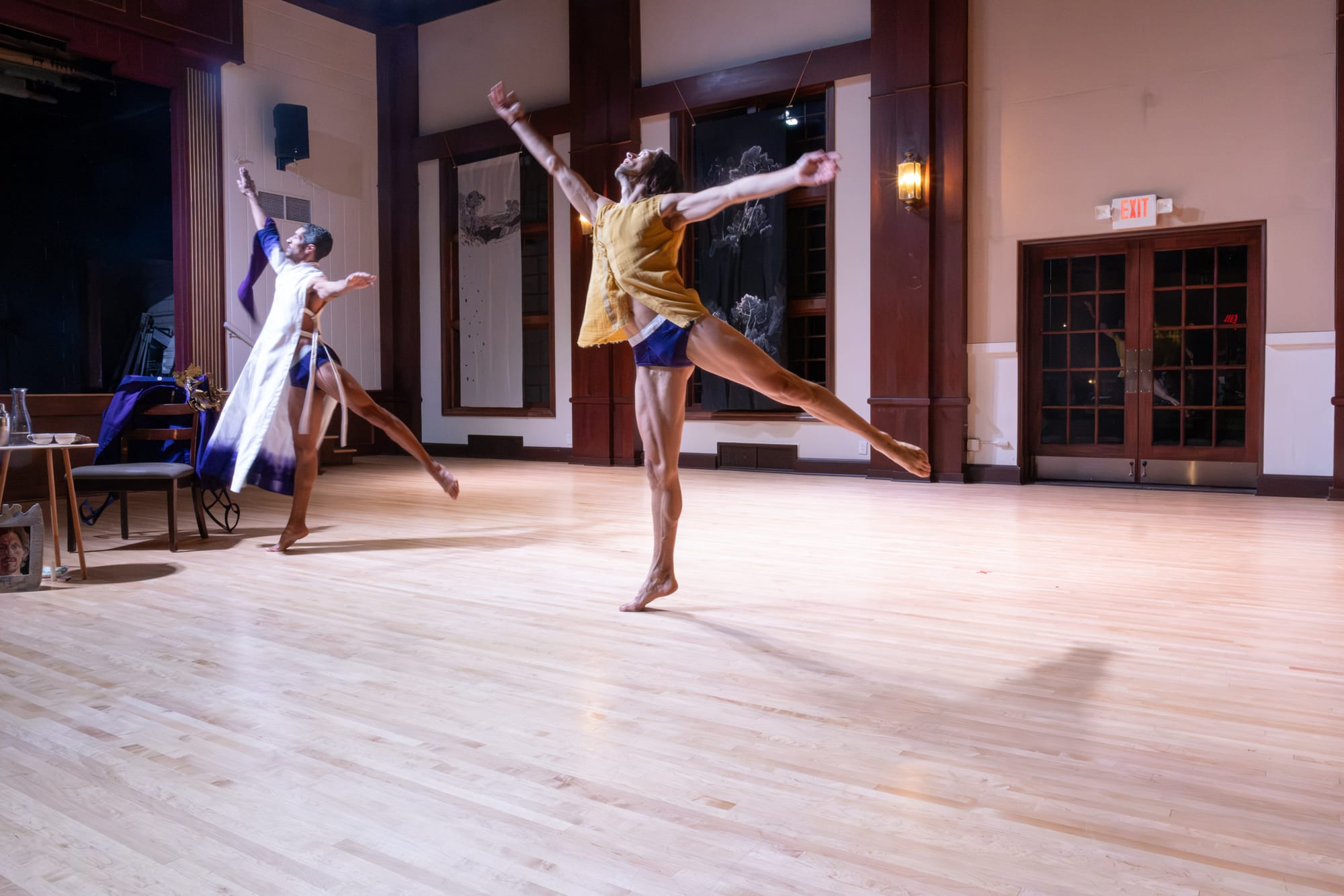
The majority of these artists have ties to Detroit, making it a natural place to share the work.
Kyle Gerry began his career as a dancer — a foundation that shaped his approach to this adaptation. Drawing on movement, music and writing, here's what he had to say on translating this universal story into a dynamic performance.
This interview was edited for length and clarity.
MIDBROW: How long have you been performing, and what has your journey in theatre looked like so far?
GERRY: I started out more as a dancer in 2009 and I mostly worked with American post modern choreographers. I also dance for a choreographer named Lucinda Childs, who's a minimalist dance choreographer and works and collaborates a lot with Philip Glass, and has been doing so since the 1960s. I'm also interested in theater and storytelling, so whereas those dances tend to be more abstract, I want to use some of that physical language to then tell stories with characters and with text.
MIDBROW: What inspired you to create an adaptation of Virginia Woolf's novel and bring this new perspective to it while still honoring her original work?
GERRY: Virginia Woolf is one of my favorite authors. When I read “Orlando,” I became so obsessed with it that I just wanted to be in the story as much as possible. I figured, what is a better way to stay in the story than to try to turn it into an adaptation, but also an adaptation that is relevant today?
MIDBROW: Can you share some of the multimedia or conceptual ideas behind the show and how they translate onstage?
GERRY: A fundamental idea of the show is that 'nothing is any longer one thing.' This is the text we use to start the show so it doesn't feel like this could be just dance, or just a representation of the work through painting or through text. When I started to try to make the work, it wasn't going anywhere until I brought in the visual artist who was the first collaborator that I worked with. It was seeing her response to the work through her medium that informed mine, and vice versa.
MIDBROW: What were some of the biggest challenges in translating “Orlando” into a performance piece?
GERRY: It was written 98 years ago, and it was written to be read, but now we're choosing to speak it. So that's obviously very different from a play that was written to be spoken. Also, we’re adding more depth to other characters throughout the book like Sasha. So, trying to understand how she could be more fleshed out also as a character and realizing that maybe there was some overlap with Sasha and Virginia Woolf herself.
MIDBROW: In what ways have your Detroit roots influenced this project?
GERRY: The costume designer is also my partner, and both of our families are based in Detroit. So part of this is just an opportunity to share with them what we've been getting up to in New York for the last 20 years. But also, we have two pieces in the show that are inspired by Motown — Boys II Men and Prince songs. I feel like that brings the work into a more current moment, even though those artists were active in the previous century as well.
MIDBROW: Lastly, what do you hope audiences take away from this performance?
GERRY: For me, it feels like a very relatable story, and there's the option for everybody to see themselves in it. I think the book is notable for the fact that the main character starts out as a man and becomes a woman. Although none of us in the piece identify as trans, I do think the political bent for me is that we are all made up of all of these things and we don't have to be scared of them. I think “Orlando” is an invitation to say, “you're not just one thing.”
This article was published in conjunction with Outlier Media.


