
Natchez
Manship Theater
Baton Rouge
March 12, 2026
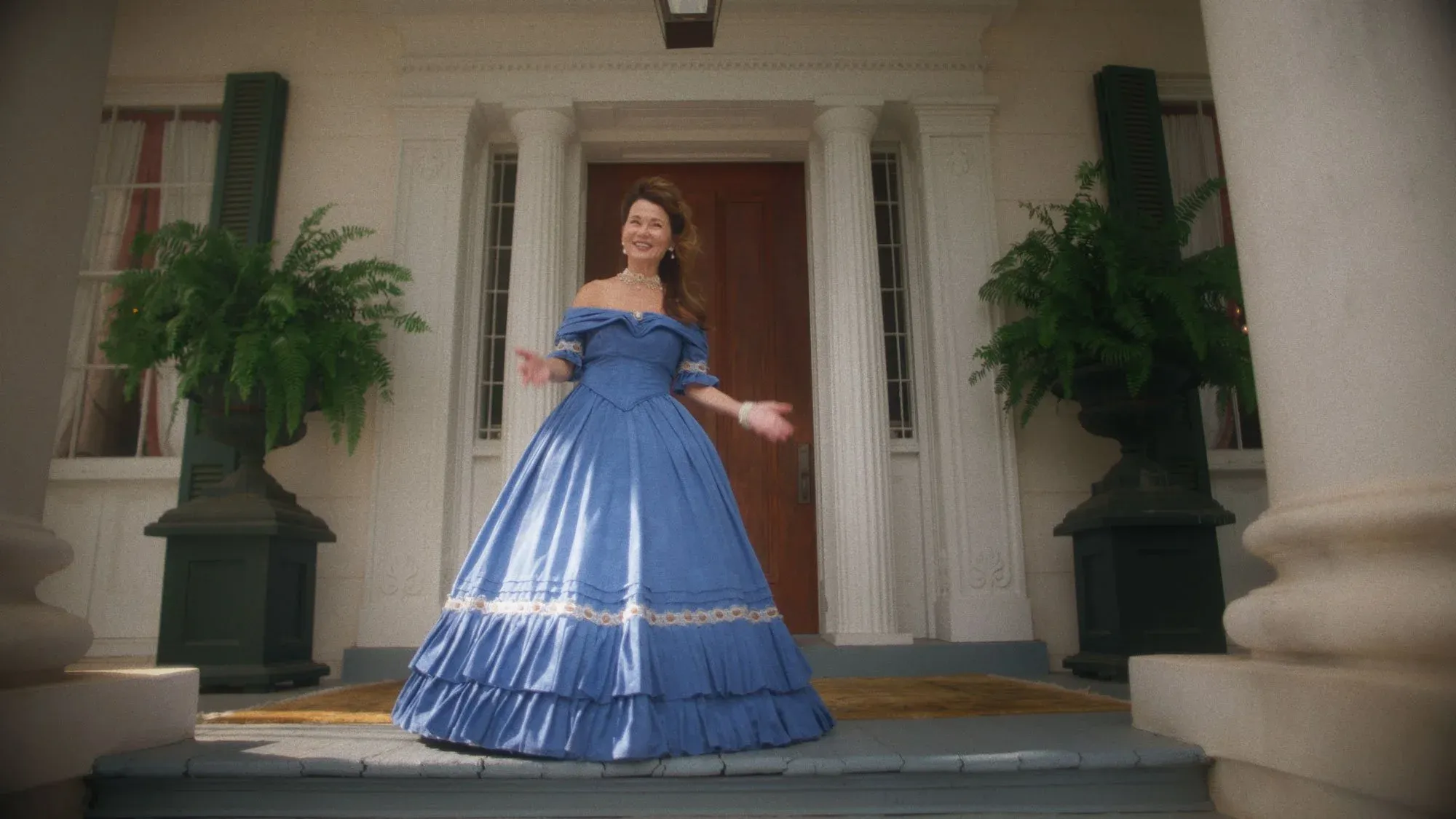
Hoop skirts, beautiful homes, immaculate gardens and curated antiques: That’s what people expect when they go on a pilgrimage to Natchez, Mississippi. In the antebellum period, the Southern town was one of the wealthiest in the U.S., with the highest concentration of millionaires per capita. People enjoy visiting in order to step into a bygone era. But if you think about that for more than two seconds, you run headfirst into the elephant in the room — slavery.
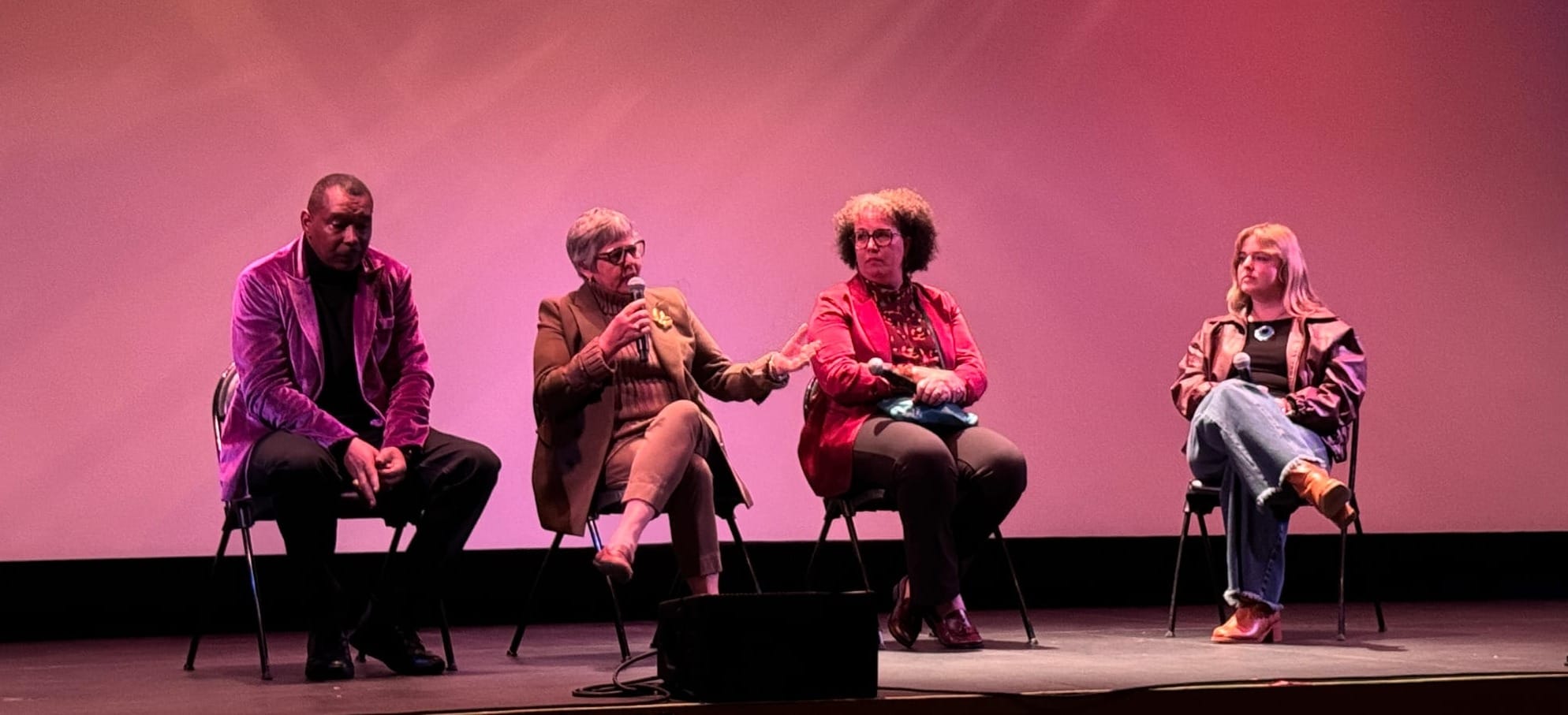
As the cultural conversation around race has shifted over the years, hosts of these cultural tours are under social and economic pressure to adapt and start acknowledging the role of oppression and slavery in their histories. This has come with tension and growing pains. “Natchez,” a documentary directed and produced by Suzannah Herbert, documents this tension through interviews and tours over 75 days of filming. After the screening at the Manship Theater, producer Darcy McKinnon, and two of the subjects of the documentary, Kathleen Bond and Barney Schoby, sat for an open Q&A.
“Natchez” opens with people going on tours and the (mostly white) people from the local Garden Club who host them. There’s a fantasy here. The tour guides pretend to be the ladies/gentlemen of the mansions with opulent furniture, and the tourists pretend that they’re guests in their home. Buying a ticket isn’t just buying a tour – it’s buying temporary access to a social class and milieu that might otherwise be out of reach.
We see the big houses. We see the southern pride. We hear people wistfully reminiscing about simpler times, away from all the discourse we have now. Going in without knowledge of the documentary, one might initially feel like they’re pittering around the elephant in the room.
“I’ve never seen such a collection of Confederate uniforms and dresses,” a guest gushes to the camera.
Is this a protracted commercial for visiting Natchez? I found myself asking. But then we meet Deborah Cosey, the first Black woman to join the Natchez Garden Club. She lives in a house in Natchez too and even hosts tours, but her house is a restored slave dwelling. She called the tours hosted in the big houses a “slap in the face to the Black community” and seeks to tell the rest of the story often obscured by fancy furniture and poofy dresses. This town and its wealth were built on the backs of enslaved Black people.
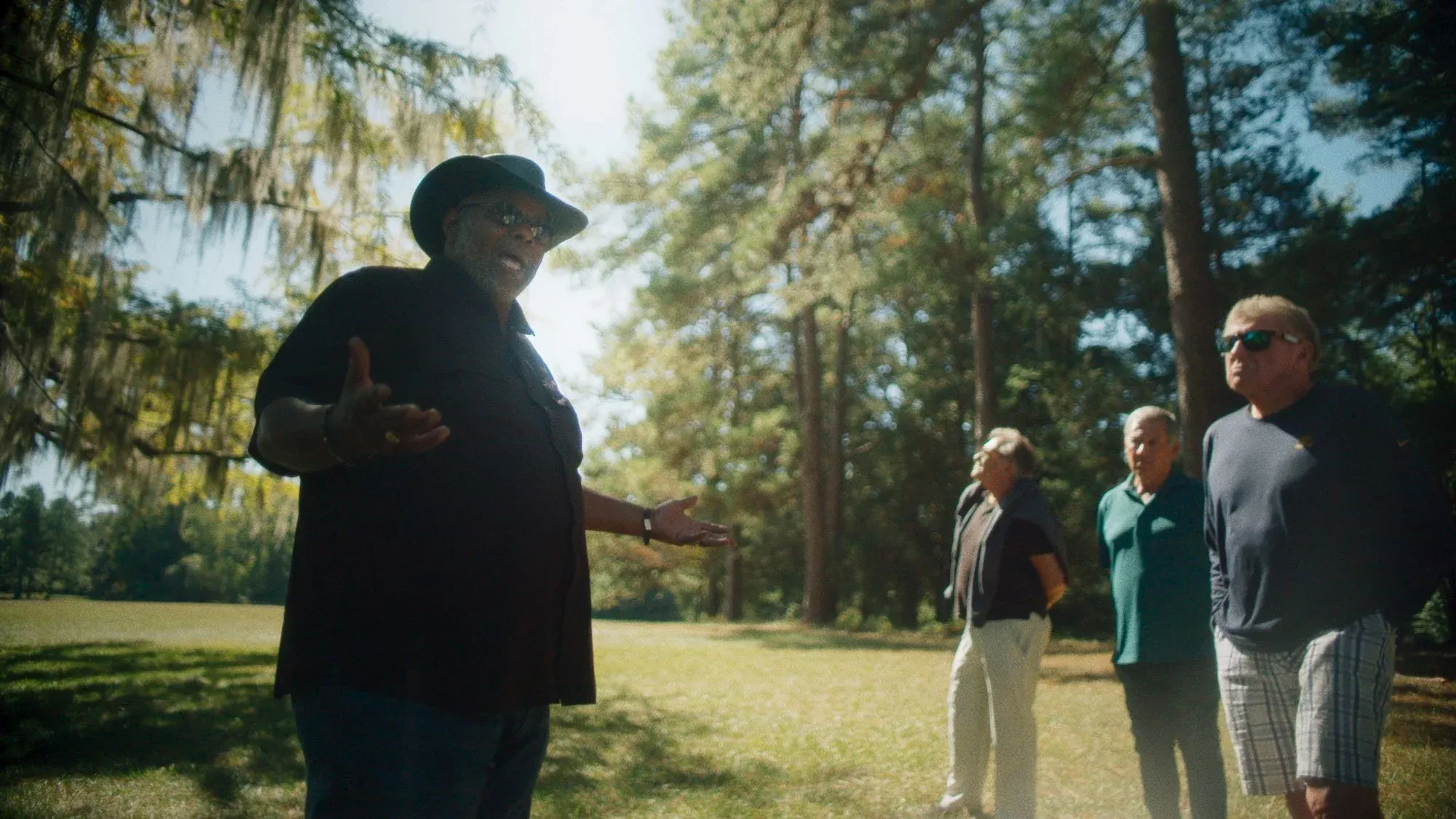
The documentary weaves its story through different perspectives, grounded by a Black pastor turned tour guide, Tracy “Rev” Collins and his van tours around Natchez.
“I’m about to violate some Southern pride narratives with some truths and facts,” he says from the van.
“Natchez” is a complex mosaic portrait of a small town. As you might expect, there are people who are virulently racist, but the documentary makes sure to portray every subject complexly and on their own terms.
David Garner, owner of Choctaw Hall, is a gay man from Arkansas who bought his house with his partner, Lee Glover. Though the film does portray his use of racial slurs publicly on tour and privately, they also portray him as a member of the local vibrant LGBTQ+ community, a passionate lover of the house and the antiques and a person with Parkinson’s who’s losing his voice.
It’s easy to forget that this is a documentary where every shot has been carefully curated and edited together to create a narrative. “Natchez” is an immersive experience that draws people in. You forget the camera is even there, and it feels like the subjects of the film did too. The documentary shines in the way that it universalizes such a niche experience, making it relevant to the national conversations we’re all having.
Natchez is a tourism town where there aren’t other industries. These issues about how people remember and portray history are personal. The decisions and discussions happening with the homes and land these people live in and work on. It’s not hypothetical for them. There are financial implications for what they decide to do.
At the same time, “Natchez” shows us a sliver of America that no one has to look very far to find. In fact, these conversations are happening around former plantation buildings in Louisiana all the time. There are people who are resistant to change and those who fight nonetheless to create a more equitable tomorrow. The film takes a conversation where people feel like they know both sides already and complicates it. It’s the film America needs right now.


