
Morticulture: The Abundant Life in Old Dead Trees
Virtual Event
Traprock Ridge Land Conservancy
Feb. 4, 2026
“The dead wood has more life in it than the living wood in many cases.”
With that line, Margery Winters summed up a fascinating discussion about the death of trees and their environmental impact. Winters, who serves as the assistant director at Roaring Brook Nature Center in Canton, delivered her lecture to a virtual audience on a bone-chilling Wednesday night.
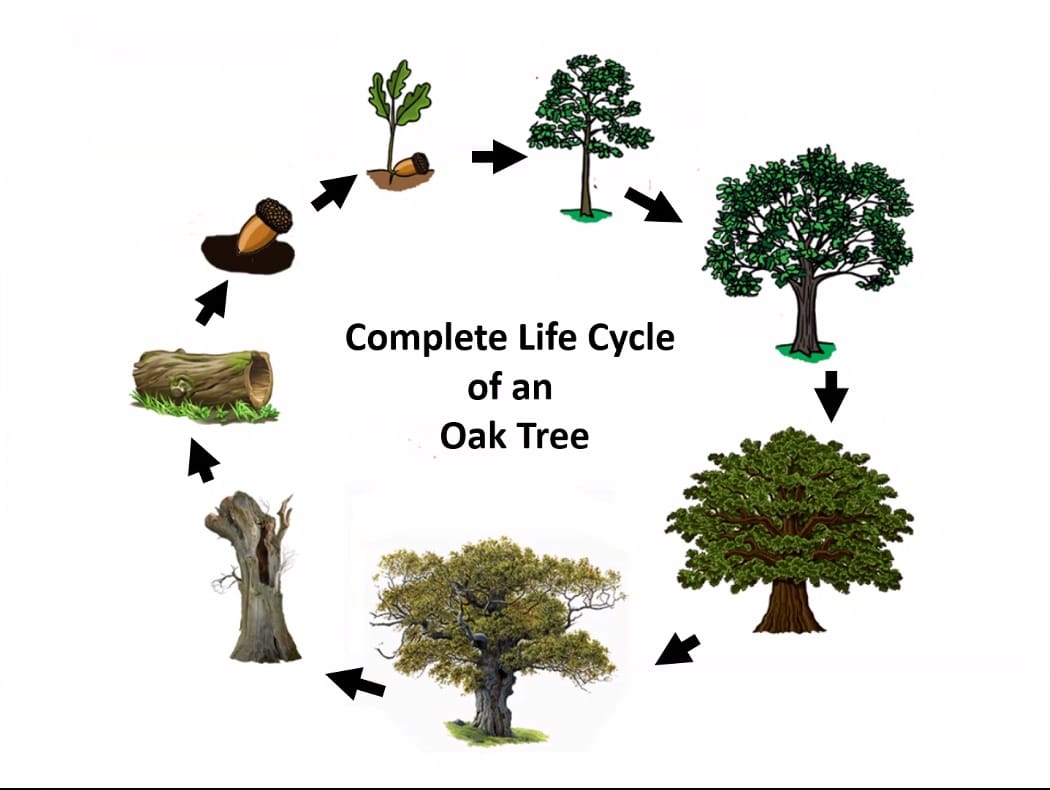
Winters presented an expansive perspective on the life cycle of trees, one that includes its contribution to forests after it has died. Trees serve more critical functions in our ecosystem than I can list here while they live, but their contributions to our world continue even after they’ve died.
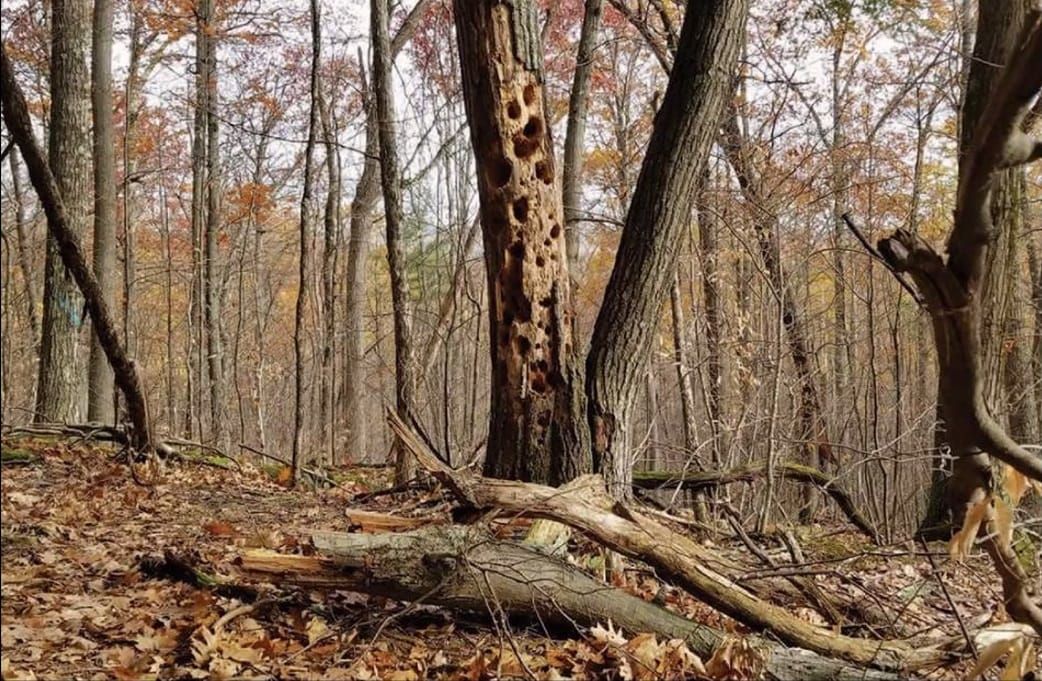
Trees can succumb to a number of maladies that result in death, from fungus and insect infestations to beavers and other animals that strip the bark off of trees in a process called girdling. When a tree dies while still standing, it’s referred to as a snag. Although it no longer produces oxygen or any of the other goods humans associate trees with, it provides food for insects and woodpeckers, as well as useful perches for raptors hunting for food.
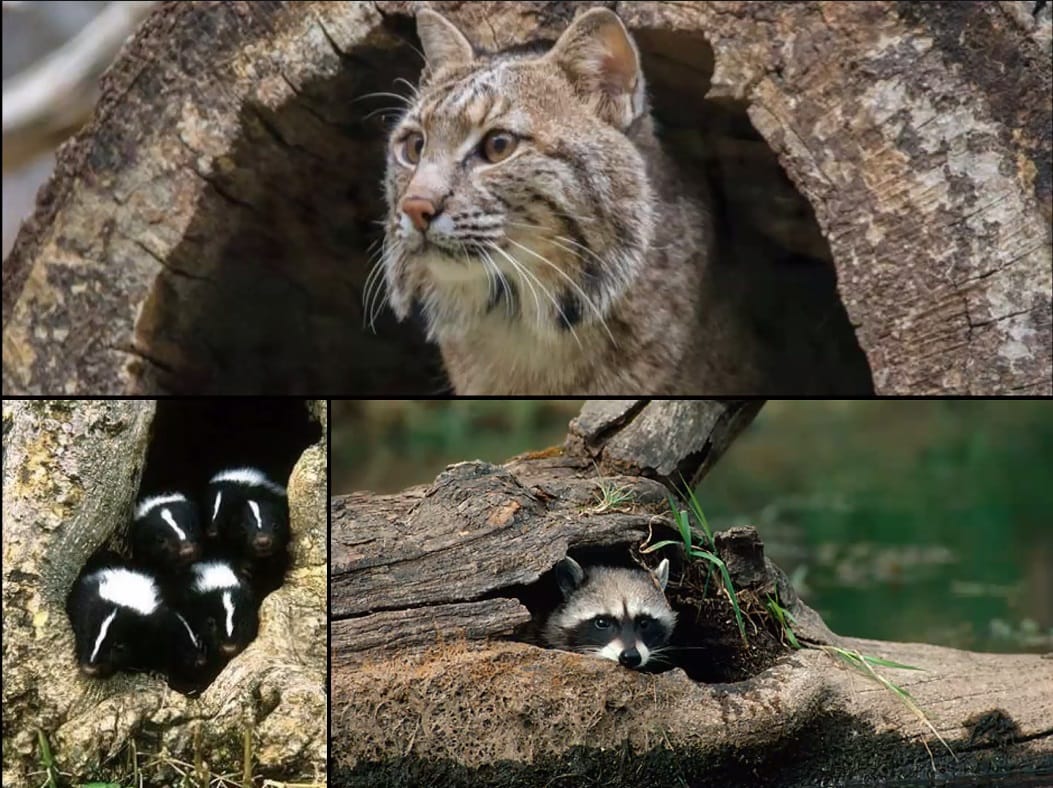
We may never know if a fallen tree in the forest makes a sound, but we know for certain that it makes an impact. One of the primary functions of felled trees is providing shelter for all sorts of organisms, from microbes and fungi up to large vertebrates like wildcats and even bears.
Those fallen trees and branches have many other functions as well. We’ve all lifted up a tree branch in the woods and seen a menagerie of insects burrowing beneath it. They’re not hiding; as the wood decays, it deposits nutrients back into the soil that those insects depend on for food. Those insects are then eaten by salamanders and other smaller creatures, who are then eaten by larger creatures, and so on. Those decaying branches, which Winters referred to as woody debris, are a crucial link in the food chain. Larger woody debris, such as stumps and full trees, can become nurse trees that serve as incubators for moss, other plants, and even new trees.
I’ve often thought of trees as eternal beings. After all, many of our stories include references to the Tree of Life. Trees live much longer than humans do – according to Winters, white oaks can live up to 600 years. Their massive size gives them a sense of permanence.
But trees die, as everything else does. Their deaths are an integral part in creating and sustaining new life. Ms. Winters said that humans often “clean up” woody debris and downed trees, because we think they may be fire hazards or cause beetle infestations or simply because we don’t like how it looks.
She reminds us though that it’s not about us, that trees and forests and their inhabitants developed a system that far, far predates humanity. When asked what the best thing we can do to help trees and forests, her answer was simple.
“Leave it alone. It’ll take care of itself.”
NEXT
Jamil returns to the Clare Gallery for a new exhibit.


