
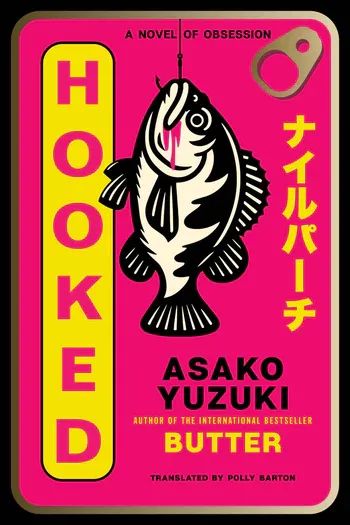
Hooked
By Asako Yuzuki translated by Polly Barton
Ecco
Friendship breakups are the worst. Especially the ones that come out of nowhere and make you question not only your whole relationship but your whole sense of self.
Eriko, a 30-year-old office worker in Japan, is still haunted by a friendship breakup that happened 15 years ago. She still doesn’t know where she went wrong, but she hasn’t had any close friends since.
“Hooked,” Asako Yuzuki’s follow-up to internationally bestselling novel “Butter,” explores the world of female friendships through Eriko and her new acquaintance Shoko. For the last two years, Eriko has read Shoko’s “The Diary of Hallie B, The World’s Worst Wife” blog religiously. She started reading it for fun, but in the time since it’s seeped into her work day, her buying habits and even the things she says to herself in the mirror. She finds comfort in Hallie B’s relatability. They live very different lives in Tokyo. Eriko still lives with her parents and works fulltime at a manufacturing company. Shoko is a housewife with no kids.
“I don’t see the appeal,” one of Eriko’s coworkers challenges after he finds Eriko eating a bun she read about on the blog. “What’s a diary like this got to do with your life? It’s so … domestic?!”
“I like how real she is,” Eriko tries to explain, “You don’t get a sense she’s making an effort to dress up her life in any way. It’s cute – she’s cute.”
The co-worker doesn’t get it, is this just a way to seek out someone of lower status to feel better about herself? For Eriko, it’s deeper than that. Based on the way Shoko writes, Eriko is hopeful that they have more in common than one might think, it seems like they both lack friends. Maybe Shoko has even figured out how to be content in the situation. In an early chapter in the book Eriko runs into Shoko at a cafe and introduces herself. Surprisingly, Shoko is open to friendship. She doesn’t know many people in the city and wants companions to go out with.
The parasocial relationship between a relatable internet person and fan is strong. Eriko is ready for them to be best friends, so when Shoko stops posting on her blog for a few days, she shows up at her house to check on her, causing the relationship to sour.
This is the point when this character-driven novel starts becoming unhinged. Eriko, panicked by Shoko’s sudden rejection, rushes to try to mend the relationship, all the while dealing with office drama. Shoko is no angel either. She’s having an affair, lies about internet trolls for attention, but now she might actually have a stalker on her hands. At the heart of the novel are these two flawed yet relatable women and an exploration of how people pit women who make different choices against each other.
The main difference between East Asian societies and American society I’ve noticed while traveling is how much people care about what other people do, not just their lives but with their days — their interests, their behavior in public, everything. “Hooked” is a look at what happens when people strain against this kind of rigid social script.
Sometimes this social commentary gets muddled by the plot, which could be on par with a psychological thriller with all the interconnected story lines of friendships/frenemies. Yuzuki executes the plot with the slow pace of an atmospheric literary novel with surprisingly interesting facts about the Japanese fishing industry sprinkled in. It won’t be for everyone, but “Hooked,” is a fascinating look at the fickle nature of friendship and obsession that makes one’s friendship breakups feel like a walk in the park.


