
Where to Start: Frederic Church's Early Career in Wider Contexts
Wadsworth Athenaeum
Hartford
April 9, 2026
Where’s the harm in a little embellishment? If myth creation stopped at simply adding to the story, maybe nothing.
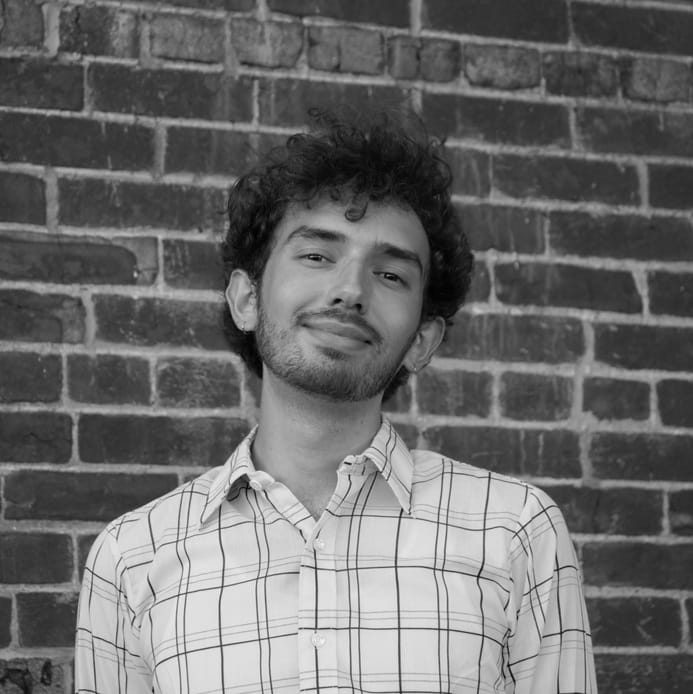
But Joseph Mizhakii Zordan, a doctoral candidate at Harvard University who studies American and indigenous art primarily from the 18th and 19th centuries, showed during an engaging talk about one of Hartford’s most famous painters Thursday evening that America’s myths do more than just embolden the story. Zordan was as focused on what gets added to the “historical” record as what is left out.
I put “historical” in quotes because Zordan’s presentation made an interesting point in the end: Even if these fantastical representations of the past aren’t entirely accurate, they do still inform our conception of history. Heroic stories and art provide a shared context that often stands in for the lost details.
That reality makes Zordan’s work even more important.
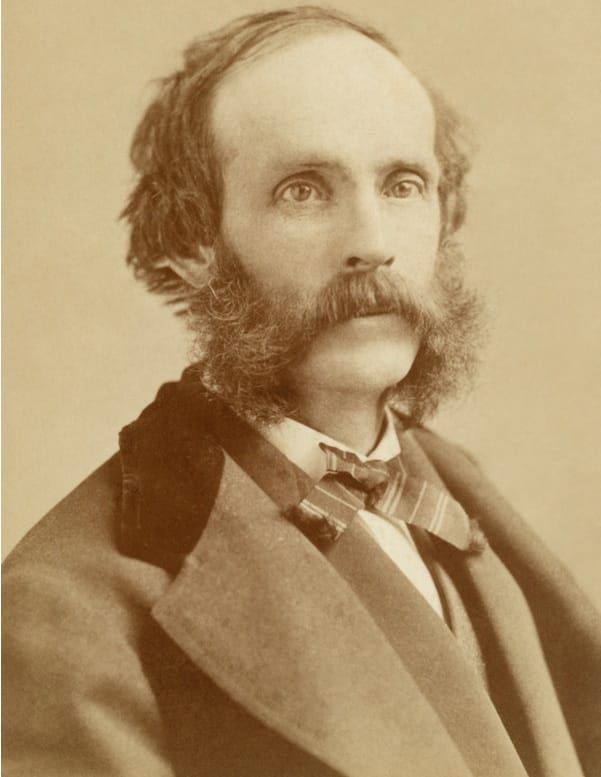
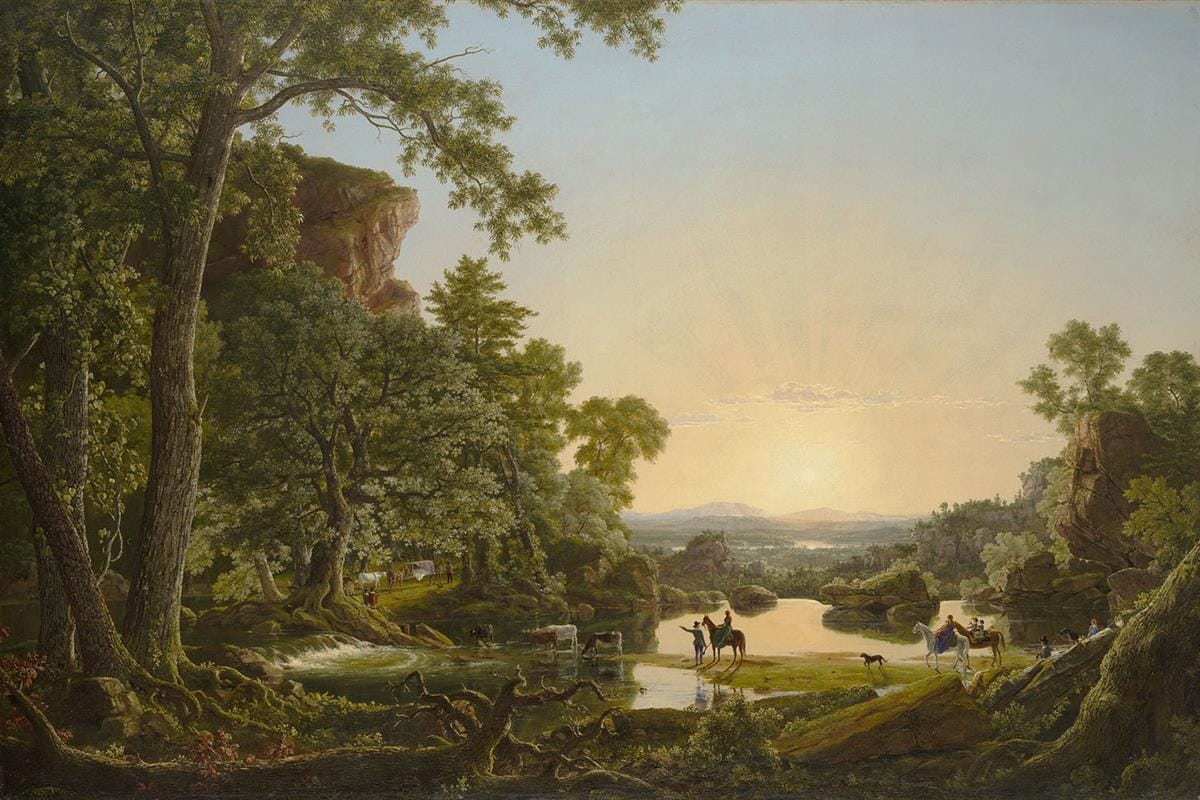
He began the task of reexamining American history with Hartford’s own Frederic Church, born in the Capitol city in 1826. Church studied with the founder of the Hudson River school, and became a central figure in the landscape painting movement of the mid 19th century. Church’s first work, Hooker and Company Journeying Through the Wilderness from Plymouth to Hartford, is a prime example of Hudson River school painting, with massive canvases depicting lush landscapes.
Zordan pointed out that even the framing of the image is an example of myth-making. He described the sun being depicted as rising to meet the settlers, as if to show that their work greets the sun, not the other way around. Despite the focus on nature, it is humans who are centrally focused in this work. Thomas Hooker, co-founder of Hartford, stands prominently at center, pointing towards the future of his followers.
Here is where Zordan points out the first historical exclusion. The title of the painting proudly features Hooker, but neglects the other co-founder of Hartford, Samuel Stone. Zordan notes that it was Stone who made the journey from the Massachusetts Bay Colony to Hartford that the pilgrims followed a year earlier to buy land, and that he was responsible for the name “Hartford” in the first place. Zordan describes his omission as a way that Church removes the reality of Hartford’s founding– forging a path, negotiating– and replaces it with idealized memory.
Another way that Zordan said Church obscured the past was through the exclusion of indigenous peoples in his work. After all, Stone had to negotiate with someone. At the time, the area that became Hartford was inhabited by the Saukiog Native Americans, who belonged to the Algonquin confederation. Despite prominently featuring European settler colonizers, Church makes almost no reference to native peoples in his painting.
Almost. On the left side of the painting, with two people standing next to it in the distance, is the charter oak tree. Anyone passingly familiar with Connecticut and colonial history knows the story of the charter oak, where colonists hid the Connecticut charter from British agents sent to seize it for the king.
Zordan reminded us that the tree existed far longer than its connection to Europeans. According to him, Saukiog leaders told Stone that the tree had served as a meeting ground for the various native groups in the area, as well as “the guide of our ancestors for centuries as to the time of planting our corn.” They asked Stone to respect and honor the tree, which European settlers did until it was felled in a storm.
Church, painting more than 200 years after the founding of Hartford, has reimagined the journey to the new Promised Land as a bucolic journey through nature that looks as if it were ordained by God as abundant sunlight pours over Hooker and his comrades. The erasure of natives, and the European co-founder of Hartford that dealt with them, seems like a deliberate choice more than an oversight. Fortunately, as the country celebrates its birthday milestone, scholars like Zordan are there to remind us that what we see is both overwrought and underrepresentative.
NEXT
Jamil heads to Trinity to check out the annual Hip Hop Festival.


