
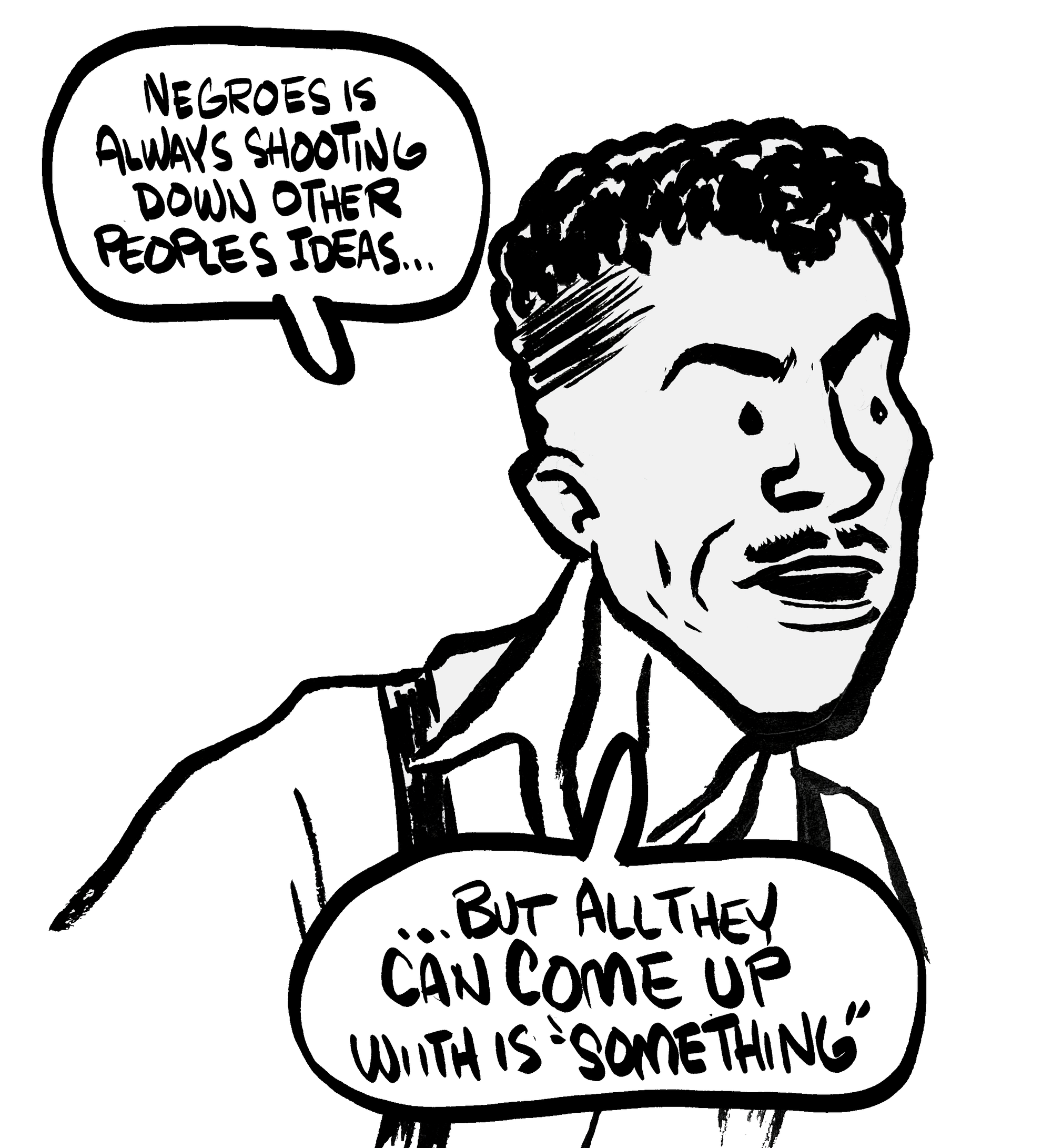
'The Mountaintop'
Directed by James Mercer II and Michael Socrates Moran
Oakland Theater Project
1501 Martin Luther King Blvd, Oakland
February 5-15, 2026
What isn’t heavily implied by the name, The Mountaintop, is immediately given away by the play’s set design, a massive gravestone with Reverend Martin Luther King Junior’s life dates. Katori Hall’s play, named for King’s final sermon, “I’ve Been to the Mountain Top” takes place on the eve of his assassination, April 4, 1968, in his room at the Lorraine Motel. Besides the gravestone, there is an open grave/bed, filled with feathers, and a matching table and chair opposite one another.
As the play opens, William Thompson Hodgson as King enters, running through an imagined rain to his room, then calls to a companion off-stage to bring him cigarettes.
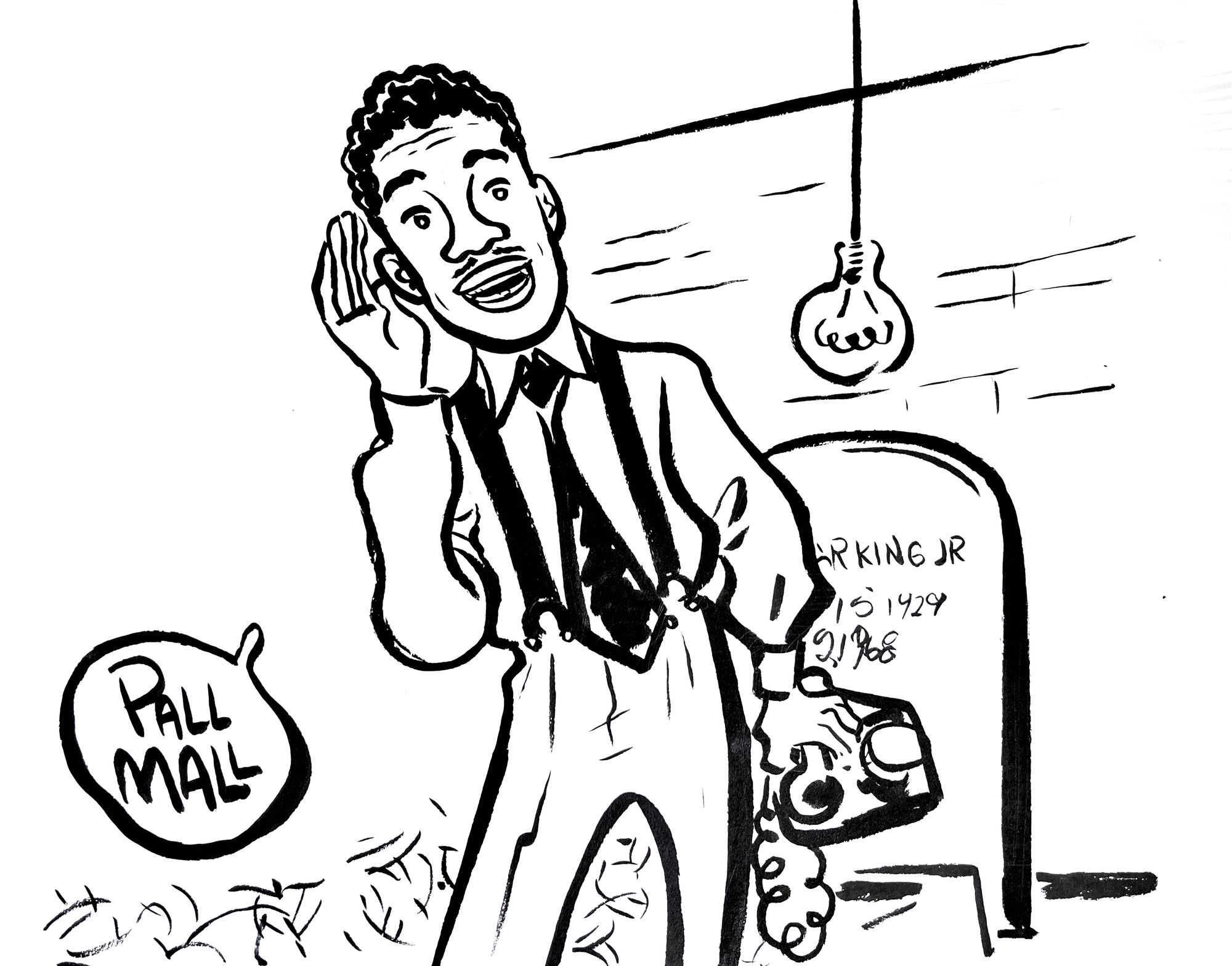
He has just returned from delivering his “Mountain Top” speech and is glowing with excitement. This King isn’t the “collective historical” version. There’s none of the gravitas, or the trademark ministerial quaver. On stage is King: The Man, not King: The Icon. King: The Man had vices, could be goofy and unimposing, and understandably paranoid.
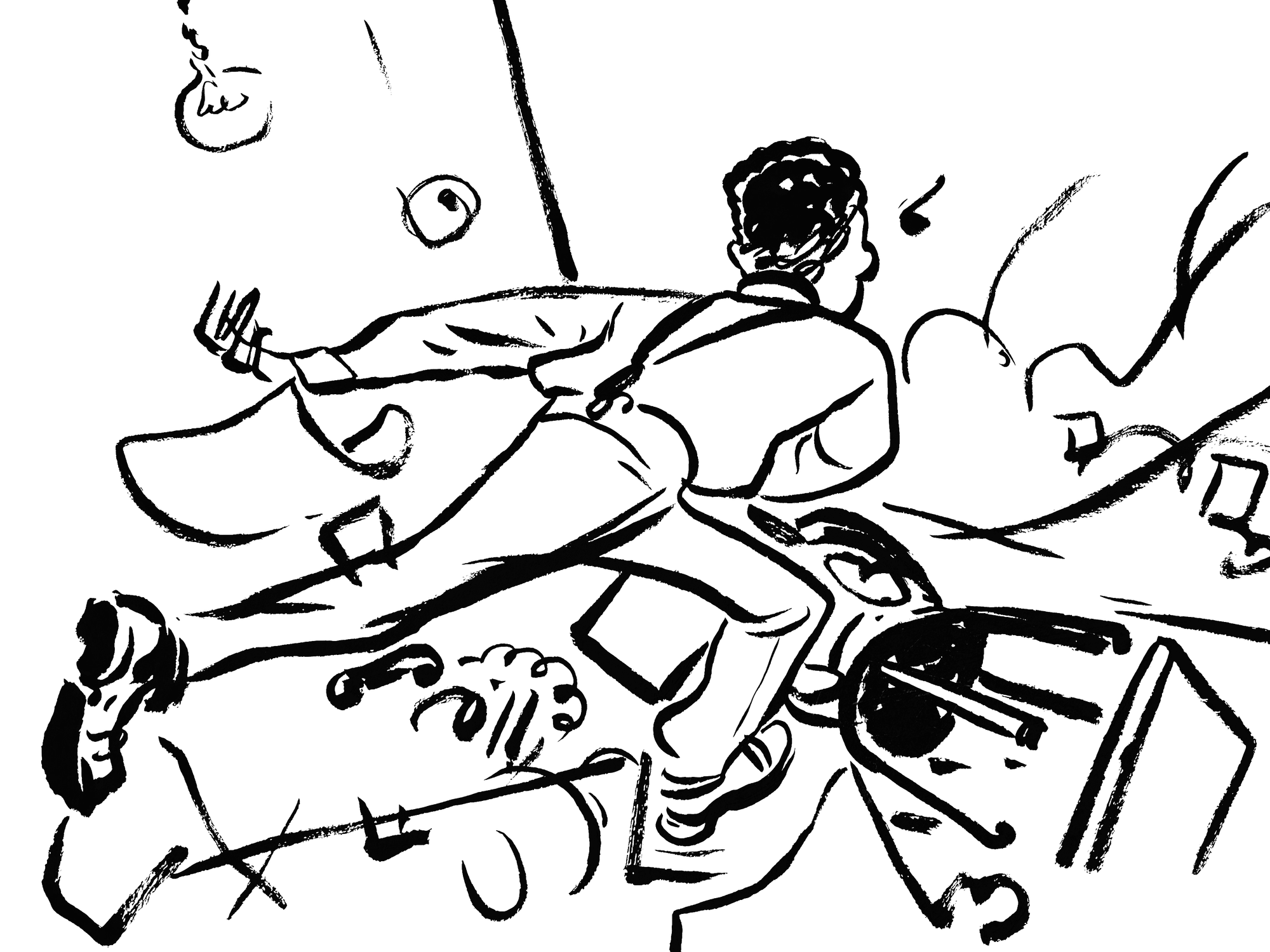
His sudden mania is unexpected and puts across, in a very small way, just how tense his moment-to-moment life was. Satisfied that J. Edgar Hoover wasn’t listening, he orders coffee from room service, impatiently awaits his cigarettes, and set about to writing his next sermon, “Why America May Go to Hell”.
King’s Coffee is delivered by Camae, played with fast-talking, seductive charm by Sam Jackson. Camae is beautiful and also happens to smoke his brand of cigarettes. Clearly, she was heaven-sent.
Camae is more than a simple foil or plot device used to edify King. Quite the opposite. Camae is complicated, opinionated and every bit as charismatic as King. And did I mention charm? So much charm! She steals the show for a moment, intentionally, effectively leveling the playing field, not by bringing him down to human scale, but by showing he always has been just that; human.
The two person cast, Hodgson and Jackson, punch well above their weight, transporting the audience to that tense, smoke-filled, Memphis room. Their tete-a-tete feels believable. I don’t know the audience Memphis-native Hall had in mind when writing her play, but her liberal use of Southern Black speech, obscure and arcane folk/cultural references show no concessions to the “white gaze”. Camae’s patois sounds authentic, and King code-switches along. King is clearly drawn to Camae, not just for her looks and charm, but for her insight and point of view. They share a cigarette and King’s flirtation becomes a little too overt for her liking.
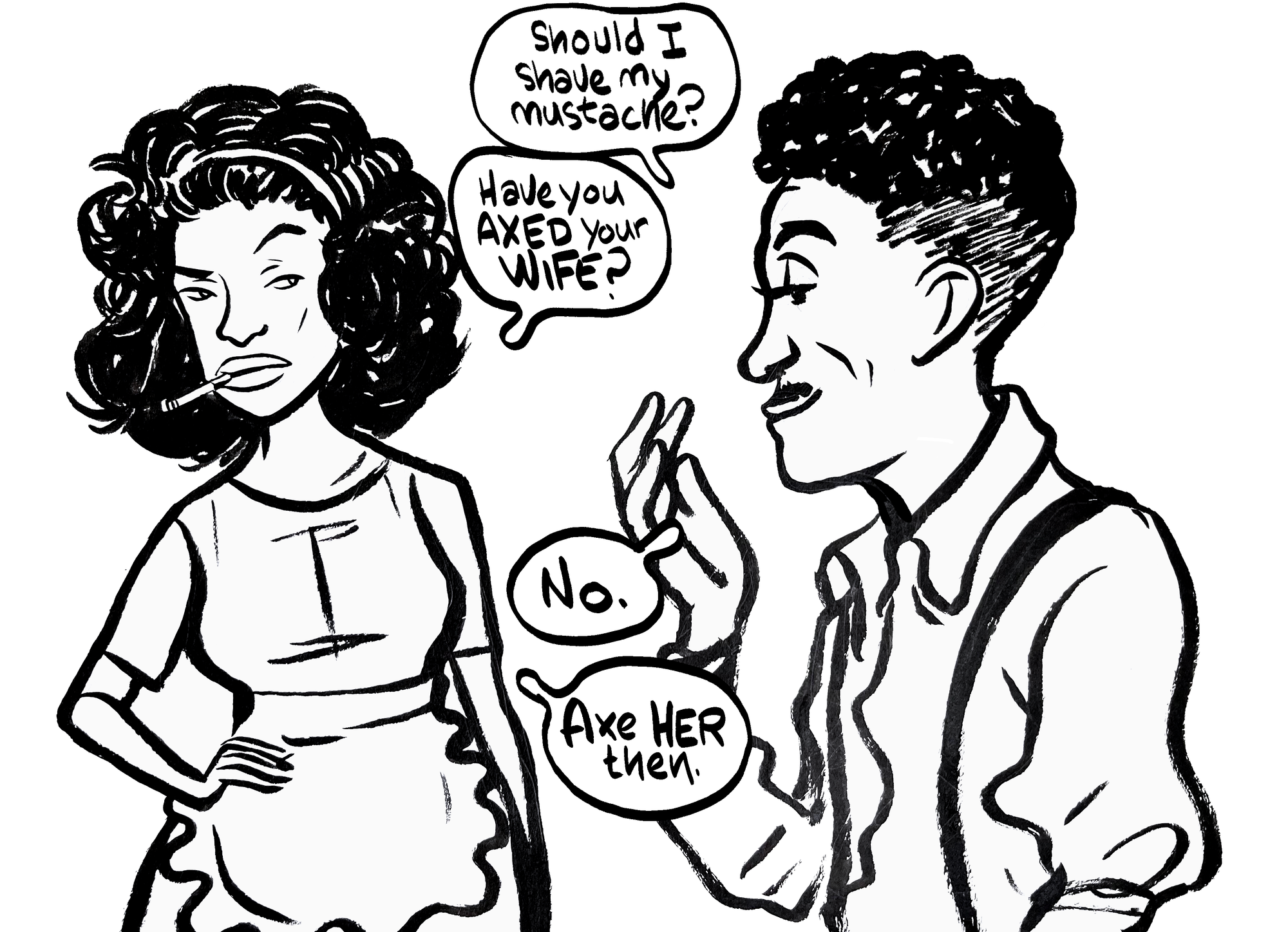
King is a little surprised how much off-the-record Camae knows about him, including overtures to his infidelity.
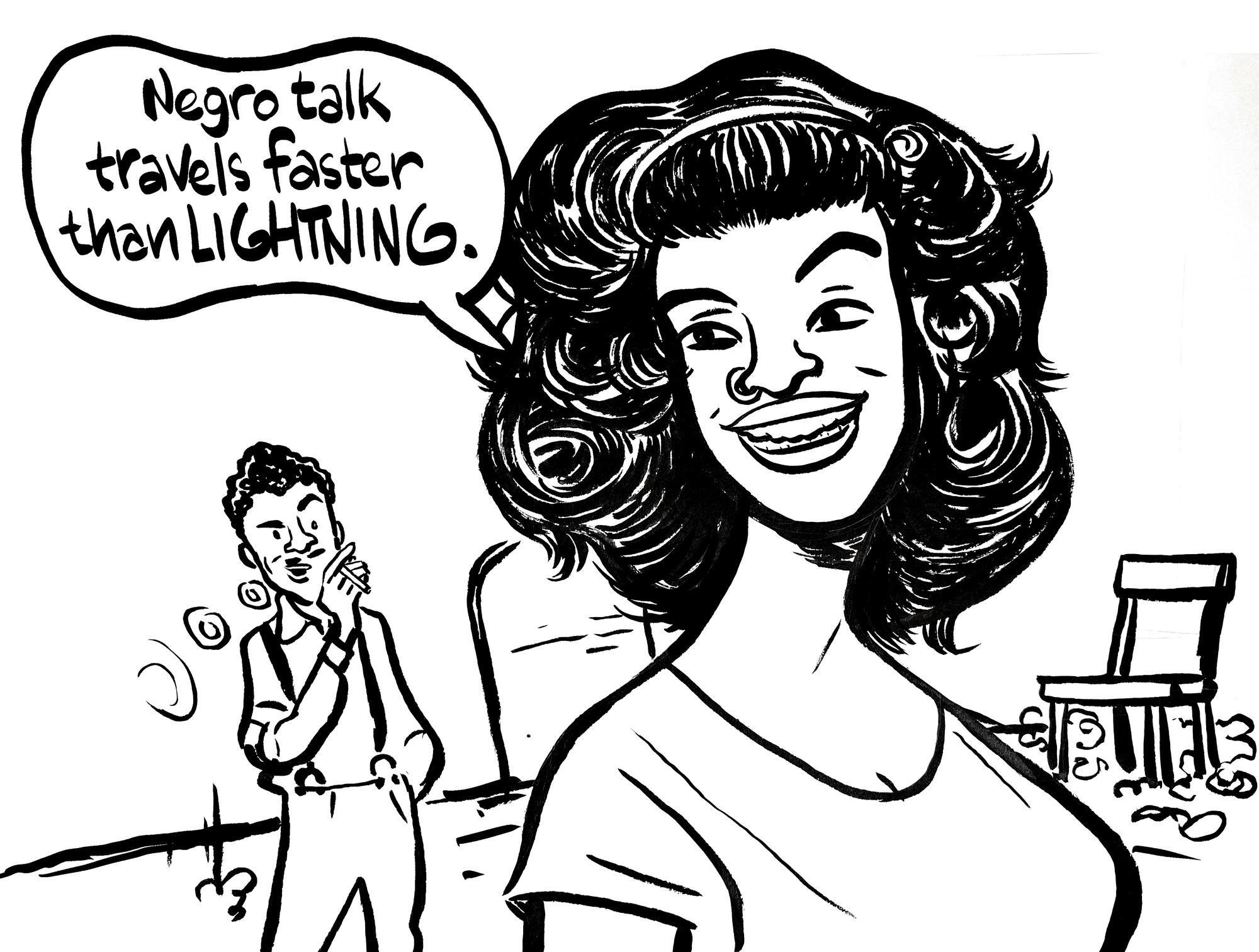
That lightning is a third character in the play. We’re reminded we’re in the peace and suspended time of the room when it’s disrupted by a burst of lightning and thunder making King (and me) jump. It represents the constant menace: the gunshot we all know is coming, just not yet.
I can’t speak for everyone obviously, but in my experience, while King is a venerated figure among Blacks, he’s also complex. His fallibility is known and accepted as are criticisms of his leadership of the Civil Rights Movemement. The effectiveness of nonviolent protest is one. The exclusion of women in leadership roles is another, which Camae’s presence references, albeit indirectly. Camae challenges King, and with that we see his humanity. That humanity makes the accomplishments of his short life all the more impressive. Seeing King as a super-human exception undermines that hard work, diminishes the community that brought that work to fruition and excuses the rest of us mere mortals from our part in continuing that work.
It also reduces a life of work, organizing, sleeplessness, glory, suffering and love to his assassination and a few sound bites once a year. The parallels between King’s story and who he as a minister chose to serve, Jesus Christ, are hard to miss. For most, the Bible’s New Testament and the whole of his life is reduced to The Crucifixion and the cross used to rally and persecute.
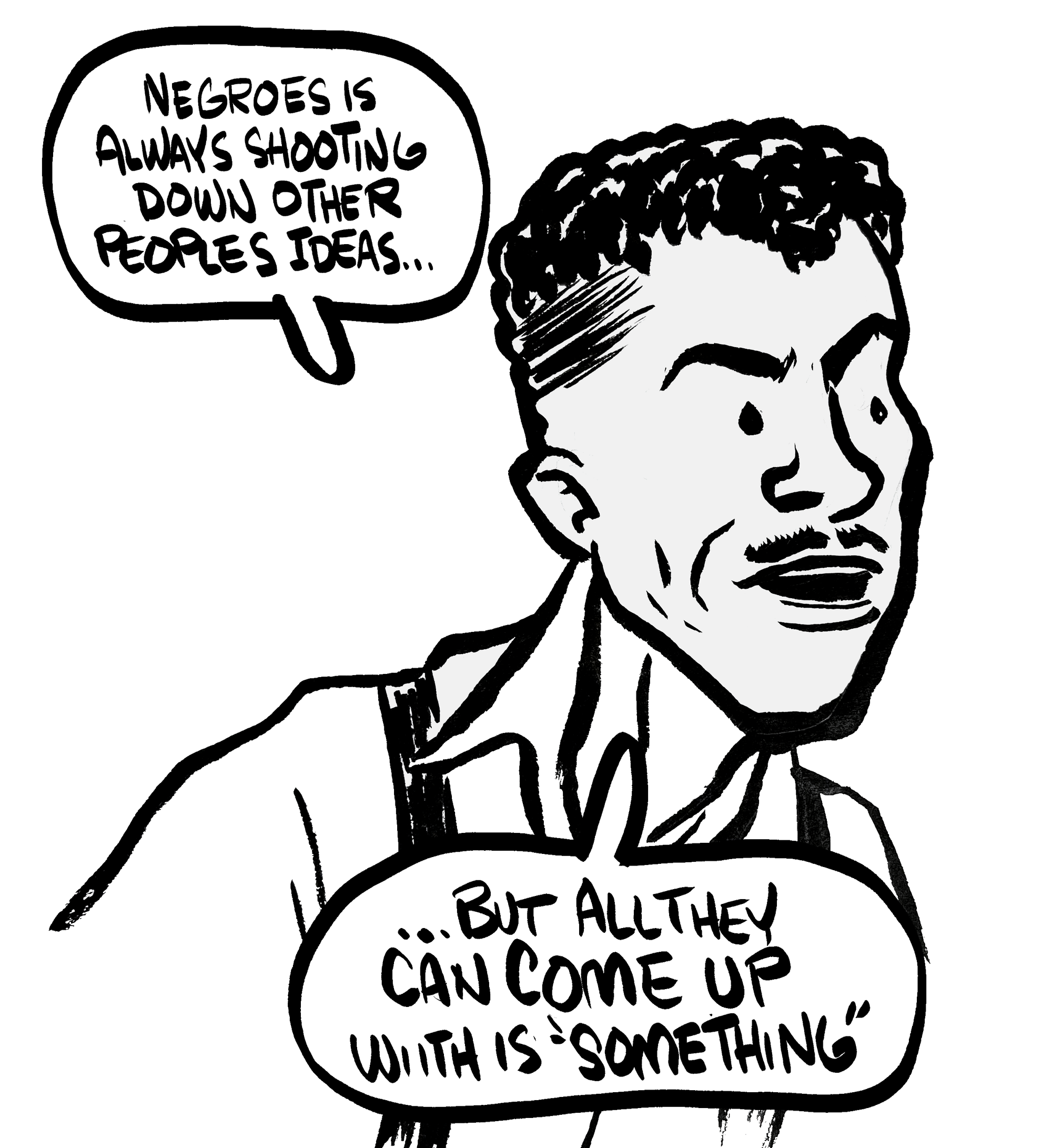
Not one to shy away from a challenge, she dons King’s shoes and coat for effect and delivers my favorite lines of the show.

We learn that Camae comes to her hatred honestly, but revealing that would be an extreme spoiler. The dance between King and Camae, sometimes almost literal, when they stand a little too close, is at turns laugh out loud funny, heartbreaking and revelatory. I was excited to see how they would bring the play in for a landing when everything suddenly went hard “black box theater” - interpretive dance, video projection, slam poetry and a rather Billy Joel-sian approach to history converged into something about as appealing as all that sounds.
I don’t want to spend too much time on this point and thankfully they play doesn’t either, but that jackknife in direction seemed grafted on, at the risk of undermining itself.
“The Mountaintop” is a beautifully written play. The cast of two serve the material admirably with Jackson’s powerful but nuanced portrayal of Camae especially noteworthy. I highly recommend it. Just maybe close your eyes and hum very quietly for the couple minutes things get weird.


