
Caribbean Heritage Museum
West Indian Social Club
Hartford
May 17, 2026
History tells the story of a people, so it’s only fitting for the people to help tell that story themselves.
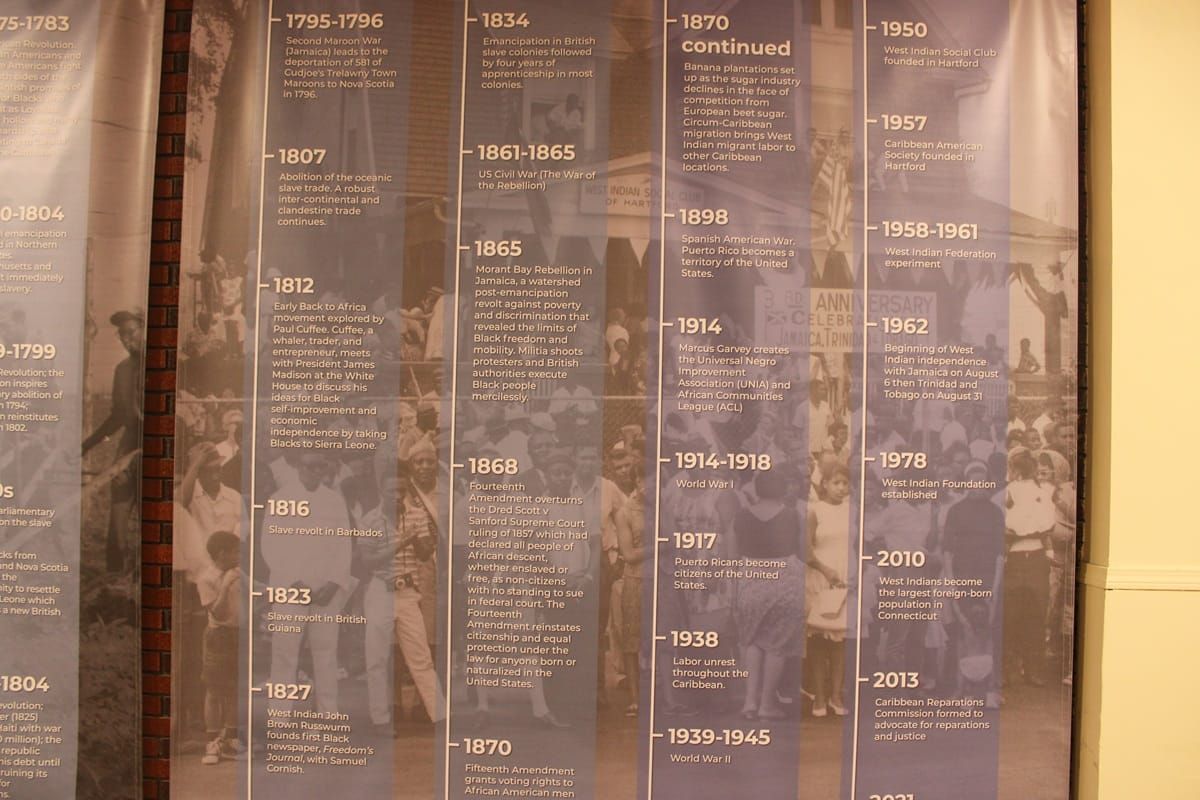
The collaboration between academia and the people was on display at the brand new Caribbean Heritage Museum located at the West Indian Social Club in Hartford’s North End, which opened last October. The museum is the result of the hard work of chief curator Fiona Vernal, associate director of the Africana Studies Institute at UConn .
Vernal has been on the journey to enshrine West Indian history since the 1990s, although she didn’t know it at the time. That’s when she began collecting the oral histories of West Indians as a graduate student. She’s been preserving the stories of West Indians' impact on Hartford ever since. Her own interest dovetailed with her community's desire to have a place to celebrate its history.
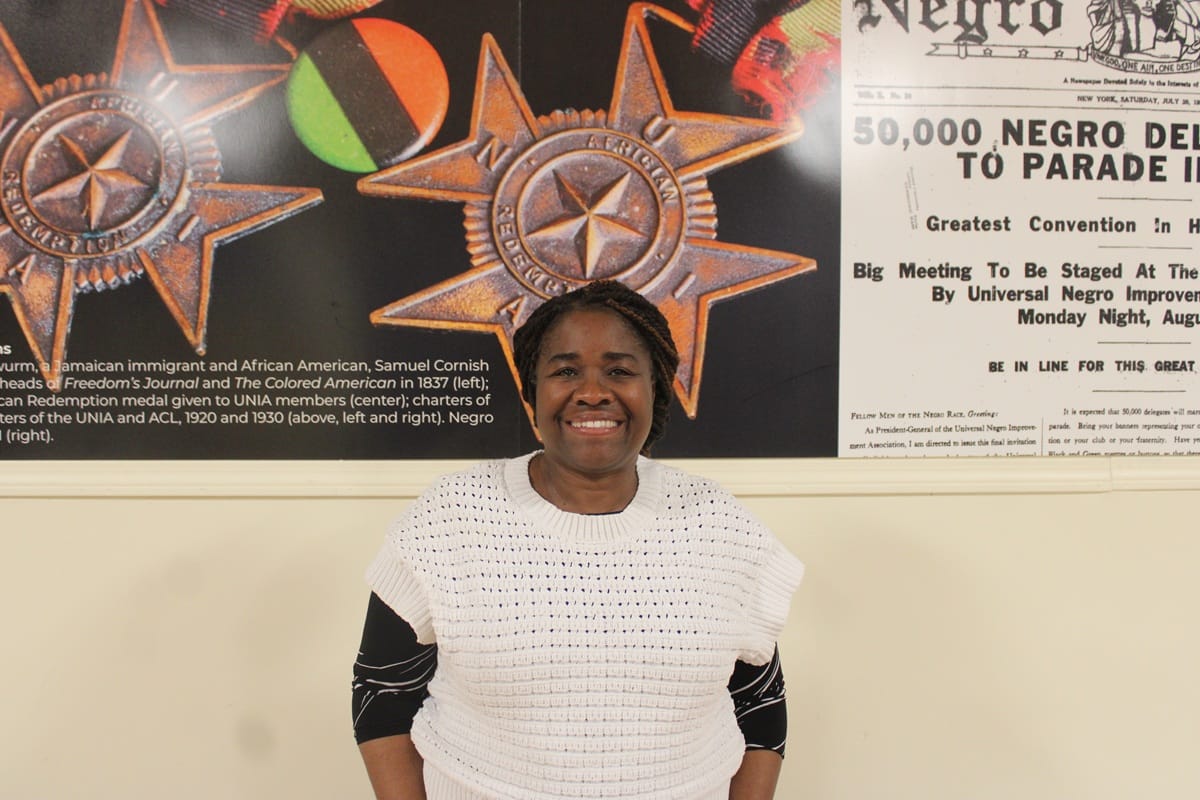
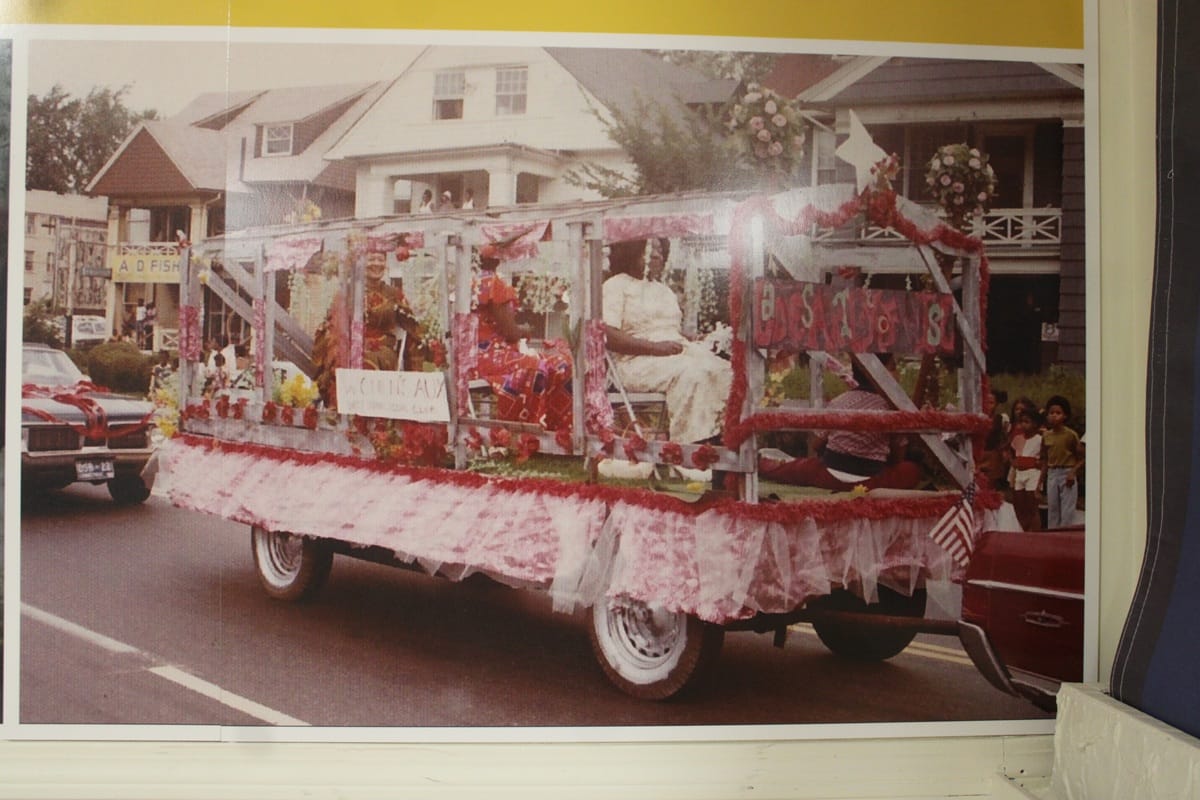
Thanks to the generosity of the CT Humanities Council, UConn and the CT Museum of Culture and History, Vernal received the funding to create the museum. It consists of pictures and stories gathered from the West Indian community, including snippets from the oral histories Vernal has collected. Unlike other museums that stole their history, the Caribbean Heritage Museum is built on the voluntary sharing of history, and believe it or not, that difference permeates the space of the museum in a positive way.
But that left Vernal with a problem. As a consummate professional, she’d worked hard to prepare a detailed timeline, historical images that bookended the West Indian diaspora, and a plethora of images. All of the images weren’t properly labeled though, and she hesitated to open the museum without that information. She decided to pull the trigger anyway.
That’s when the community stepped up, and began helping her to identify the people in the pictures. The history of West Indian migration in the city is still recent enough that elders and other community members can recognize faces, places and the great times they shared together.
“People want to see themselves in history, right?” she said. “Literally, the physical pictures. They want to see themselves in history.
Vernal must be aware of the political realities of the present. She said that bringing a museum about the history of people of color to life has been a challenge, and has even impacted the exhibits in the museum. For example, she said she’s had to leave the stories of undocumented people out of the museum, for fear that there could be repercussions with ICE later.
“Folks are saying, 'You should put video there.' We've done so much internal thinking about the moment that we're in. We're opening up a museum about people of color in a national context that couldn't be more hostile to telling black history,” she said. “So this is a compromise. We will not put people's videos out there, and attract attention to them, but we can do thematic stories and you hear people's voices.”
Despite the challenges, Hartford has a new museum that celebrates the contributions of West Indians in a way that brings them into the space. As Fiona said, all they needed was an invitation to a place to call their own.
NEXT
The Caribbean Heritage Museum offers free tours every Saturday from 11:00 AM-5:00 PM.
Jamil goes to the ballet to see Cinderella.


